Moroccan entryway ideas: Designing a Grand First Impression
The entryway is the soul of a home, acting as the transition between the outside world and your personal sanctuary. When exploring Moroccan entryway ideas, consider how light, texture, and geometry work together to create a sense of mystery and welcome. In Moroccan architecture, the threshold is not merely a door; it is a carefully crafted piece of art that signals the depth of the space beyond.
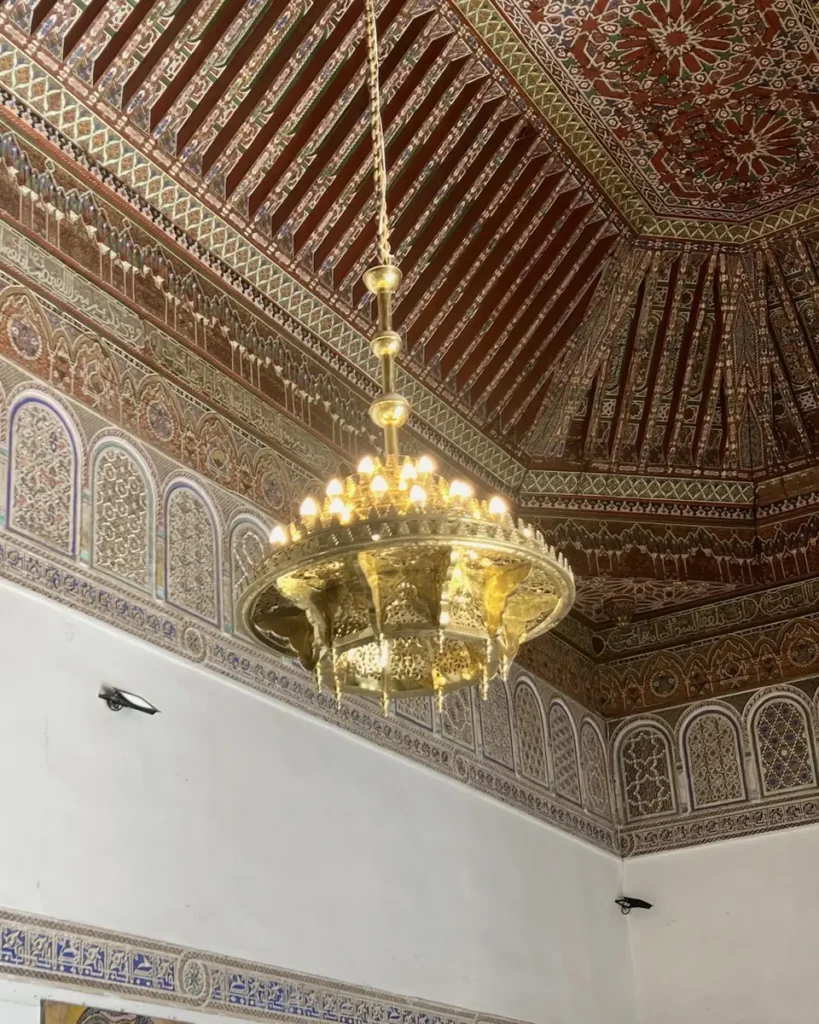
Authentic design rooted in the traditions of Marrakech balances heavy, natural materials with intricate, airy details. Whether you are aiming for a subtle nod to North African style or a full architectural transformation, the focus should remain on craftsmanship. By selecting materials that age gracefully, such as cedarwood and burnished brass, you ensure your entrance remains timeless.
The Heart of the Entrance: Cedarwood and Brass
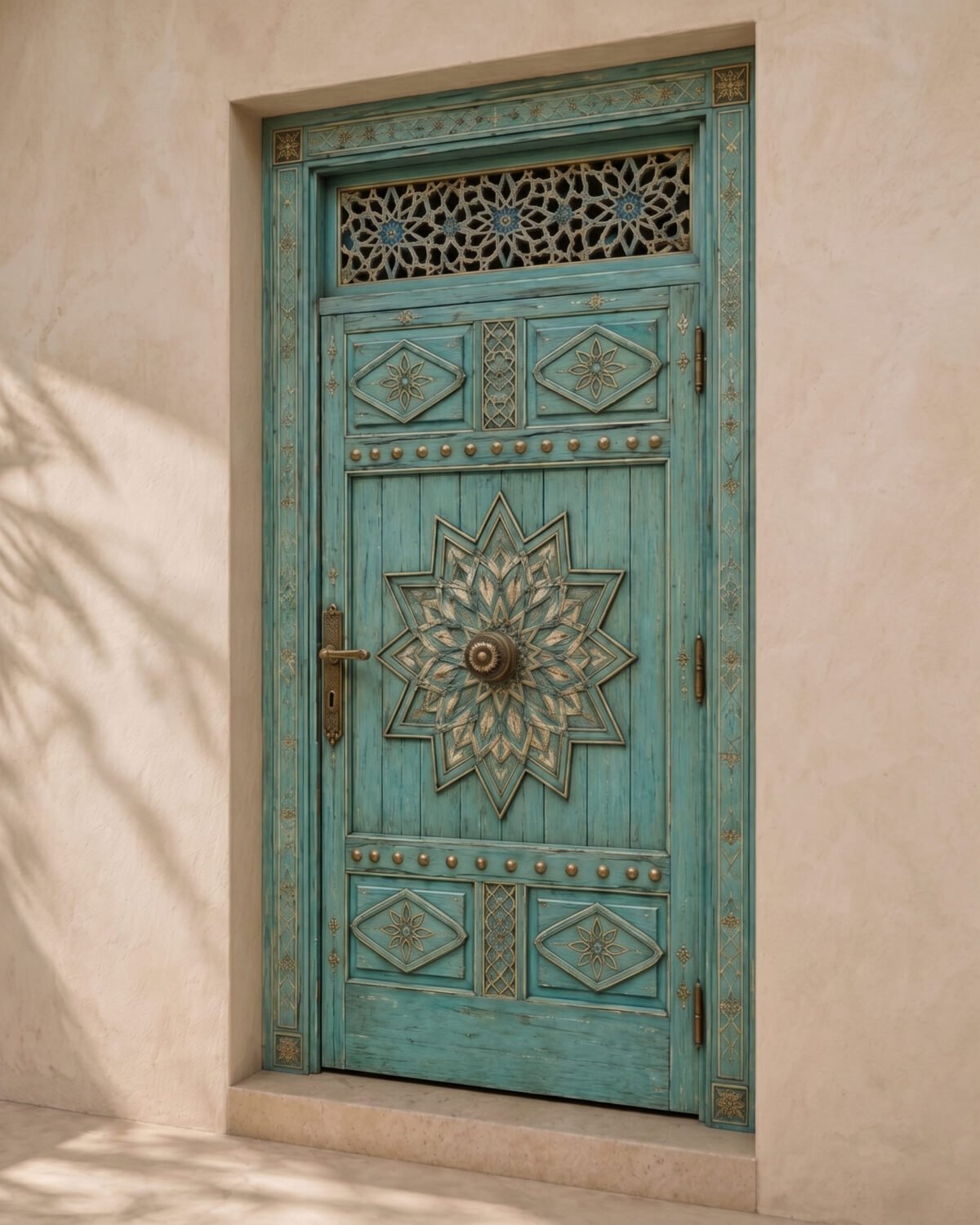
The centerpiece of any traditional Moroccan home is the door itself. Artisans in Marrakech often use cedarwood, prized for its durability, aromatic scent, and ability to hold deep, precise carvings. These doors often feature geometric patterns known as ‘zellij’ or complex ‘mashrabiya’ lattice work.
Hand-Carved Cedarwood Details
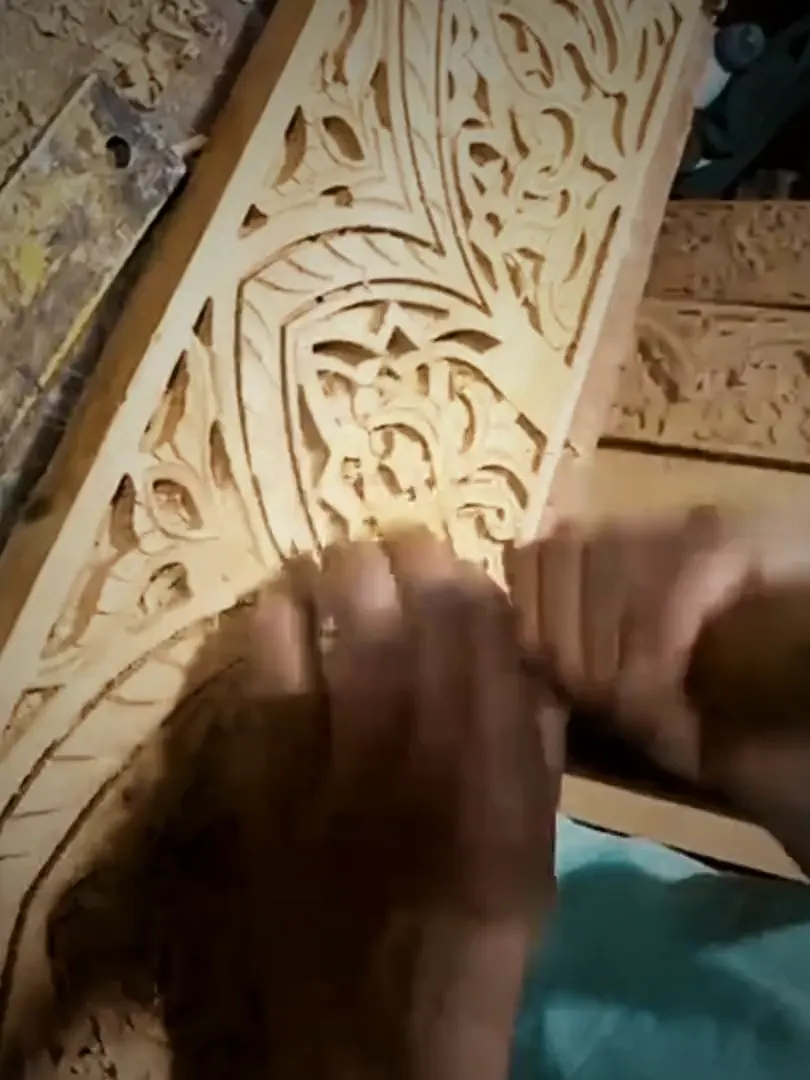
Cedarwood is often carved by hand, a process that can take weeks of meticulous focus. These patterns, such as the eight-pointed star or interlocking diamond shapes, reflect a deep history of mathematical precision in Islamic art. ALQASR continues this legacy by working directly with master artisans to create bespoke doors that bridge the gap between ancient technique and modern requirements.
The Role of Brass Accents
Brass is the perfect companion to dark, rich cedar. Whether incorporated as a heavy geometric knocker, delicate nail-head trim, or as an inlay within the wood panels, brass adds a reflective warmth. Over time, this metal develops a soft patina that tells the story of your home, grounding your Moroccan entryway ideas in a sense of authentic history.
Enhancing the Space with Mirrors and Light
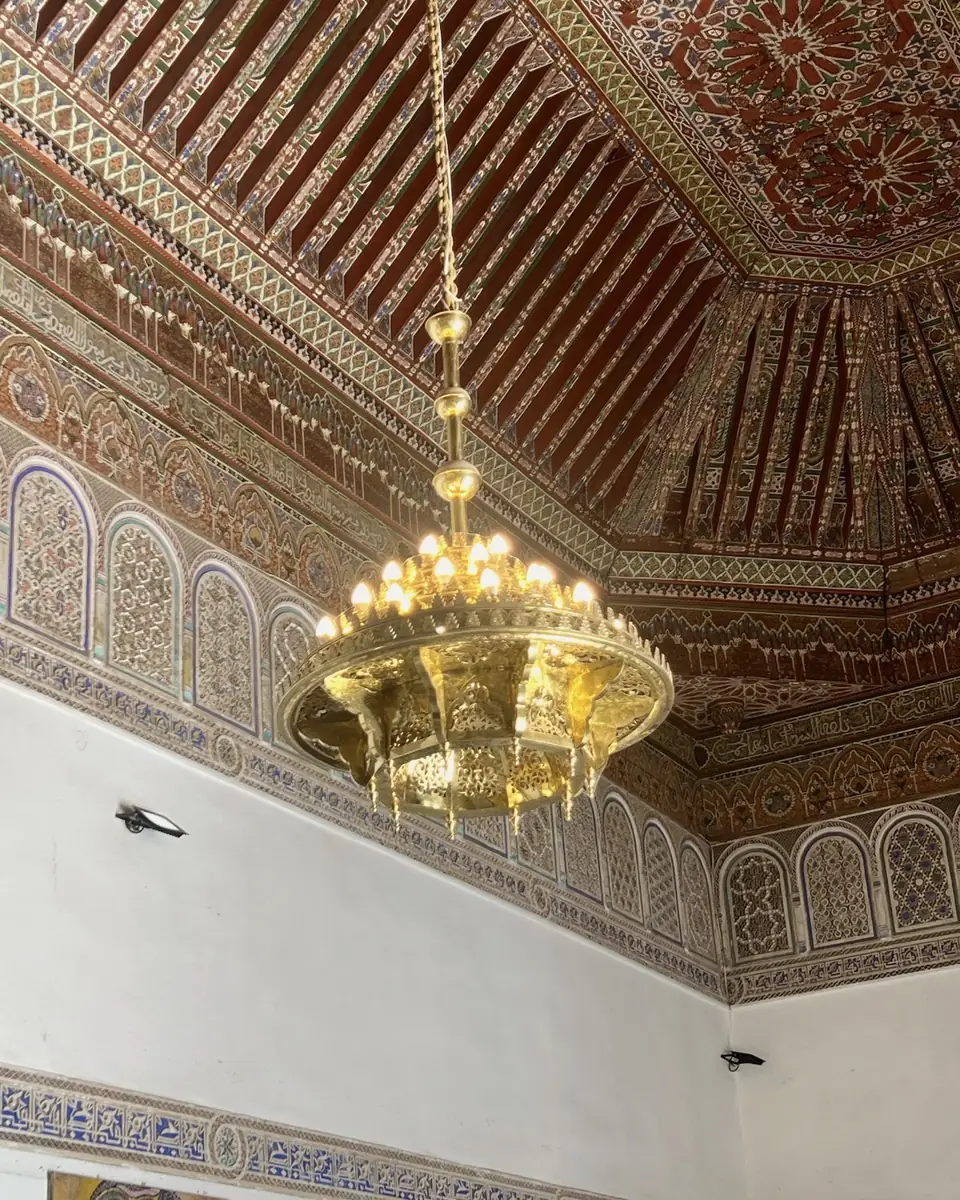
Once the door is established, the wall treatment surrounding your entrance plays a vital role. In many Moroccan riads, the entryway serves as a vestibule where a large, ornate mirror is positioned to catch the light. A mirror framed in hand-chiseled brass or carved wood acts as a functional sculpture, expanding the perceived size of the foyer.
Consider placing a mirror opposite a window or a statement light fixture. This reflection doubles the visual impact of your decor and creates a sense of openness. Brands like ALQASR craft these mirrors using traditional methods, ensuring that every frame reflects the soul of the Marrakech workshop where it was born.
Styling Your Entryway with Zellige and Texture
To truly elevate your Moroccan entryway ideas, consider incorporating Zellige tiles. These hand-cut, glazed terracotta tiles are a staple of Moroccan design, providing a vibrant, reflective contrast to the earthy tones of wood and brass. Their irregular shapes and unique, hand-applied glaze give every tile a character that machine-made replicas simply cannot match.
- Use Zellige as a decorative border around your doorway to frame the entrance.
- Incorporate a small console table with wrought iron legs to hold decorative brass bowls or lanterns.
- Keep the floor neutral, perhaps using stone or terracotta, to allow the door and wall accents to take center stage.
- Introduce a soft, hand-woven wool runner to add warmth and texture beneath your feet.
Frequently Asked Questions
What makes a door authentically Moroccan?
An authentic Moroccan door is typically constructed from high-quality cedar, featuring hand-carved geometric motifs and often incorporating brass hardware or inlays that are hammered by hand.
How do I maintain cedarwood and brass elements?
Cedarwood is naturally resilient, but it benefits from occasional dusting and the use of natural wood oils. Brass should be wiped with a soft cloth; allow it to age naturally for a rich patina, or use a gentle metal polish if you prefer to keep it bright.
Can Moroccan entryway elements fit into a modern home?
Absolutely. The clean geometry of Moroccan design makes it surprisingly versatile. A singular, hand-carved cedar door or a brass-framed mirror can provide a striking, sophisticated focal point in an otherwise minimalist or contemporary interior.
Explore Our Handmade Moroccan Doors & Mirrors
Further reading: the history of Marrakesh on Wikipedia.