Riad courtyard design is the heartbeat of traditional Moroccan architecture, acting as a private sanctuary protected from the bustling streets of the medina. These inward-facing structures prioritize intimacy, natural light, and the cooling presence of water features. By understanding these principles, you can translate the soul of a Marrakech home into your own living space.
Authentic Riad courtyard design relies on the balance between stone, water, and intricate ornamentation. Whether you are working with a small garden or a simple atrium, the goal is to create a seamless transition between the interior and the exterior world.
The Principles of Riad Courtyard Design
Central to any Riad is the ‘wust ad-dar,’ or the center of the house. This area typically features a fountain or a reflecting pool, which provides essential humidity and cooling through evaporative ventilation. In modern residential applications, even a small limestone basin can replicate this cooling effect and focal point.
Geometric harmony is the language of Moroccan architecture. You will often see the use of the eight-pointed star, representing the heavens, integrated into both the flooring and the structural arches. Keep your layout symmetrical to evoke the classical balance found in the historic houses of Marrakech.
Materials and Textures
To capture the authentic aesthetic, focus on raw, natural materials. Use tadelakt, a waterproof lime plaster, to create soft, undulating wall surfaces that catch the light beautifully. Pair these walls with handmade zellige tiles, which offer unique color variations and hand-cut edges that mass-produced ceramics simply cannot mimic.
Transforming Your Living Spaces
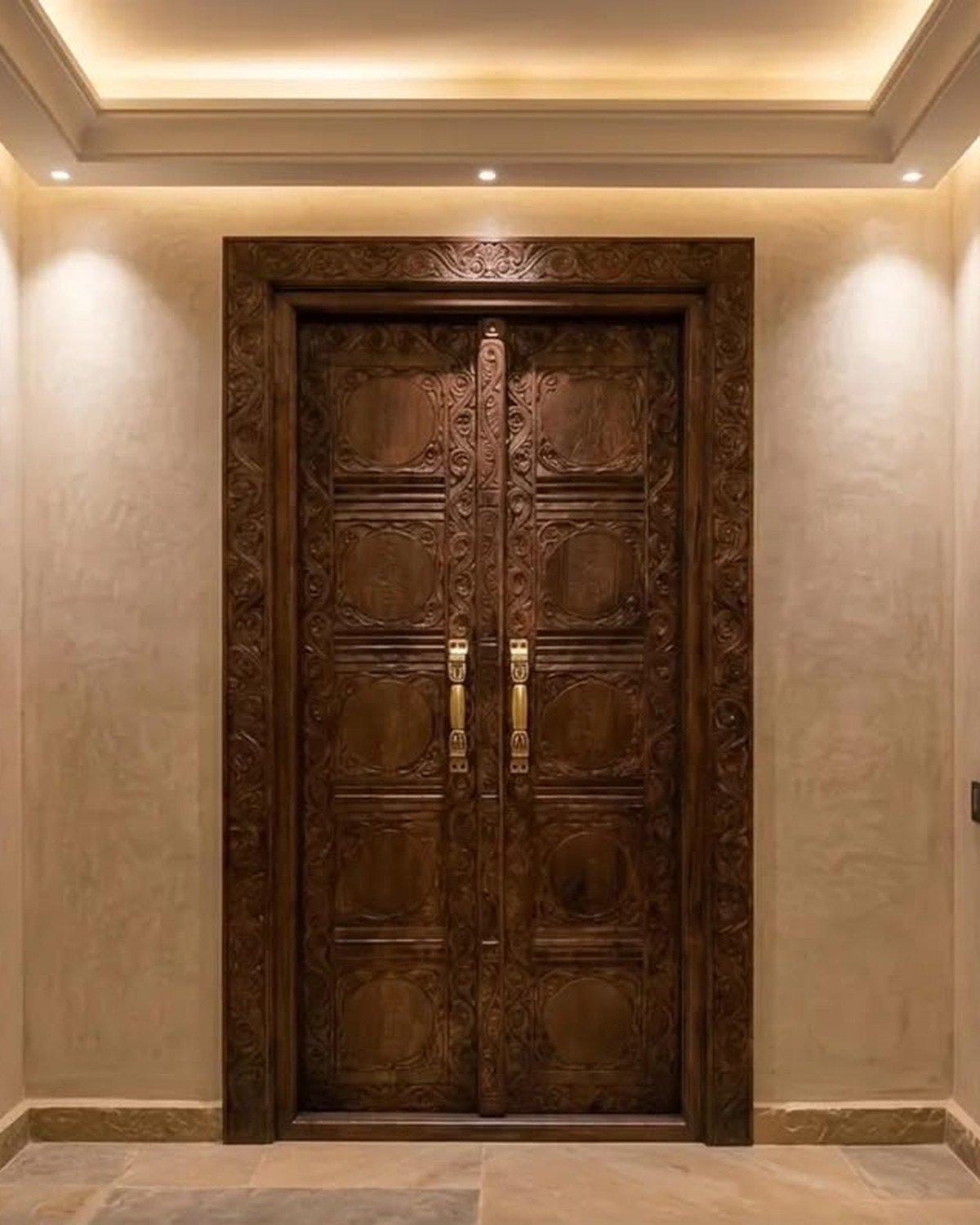
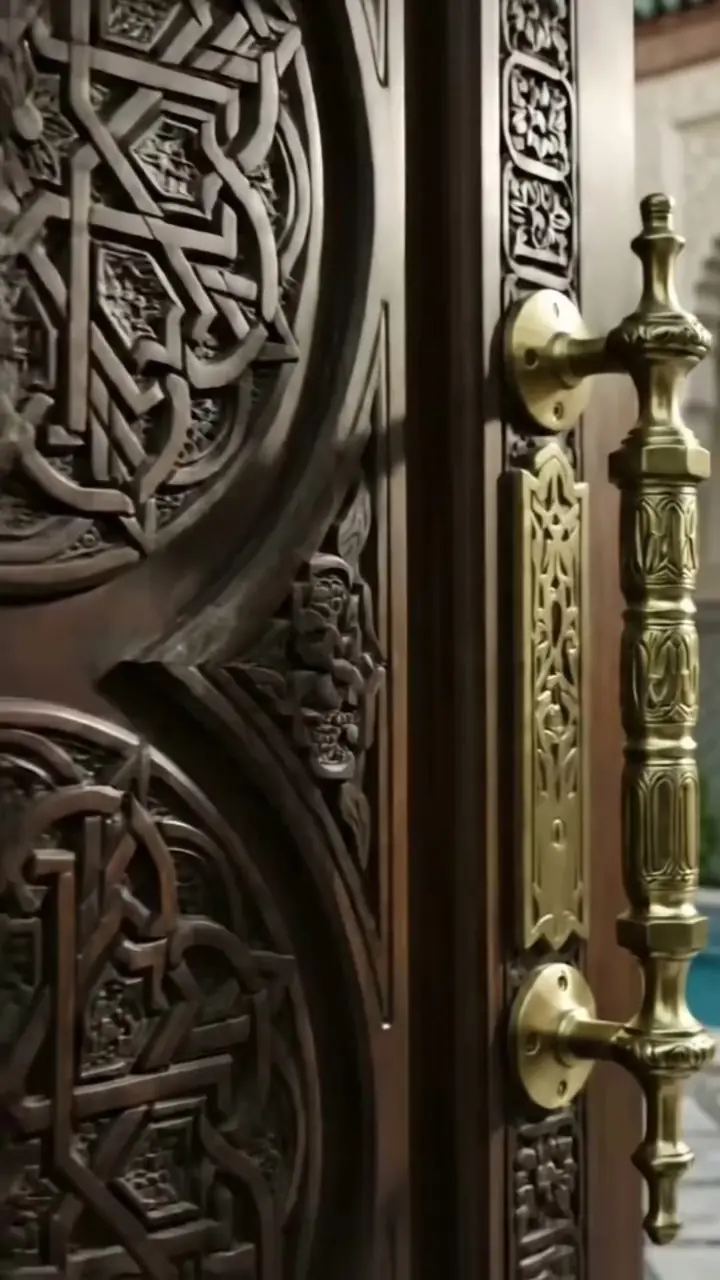
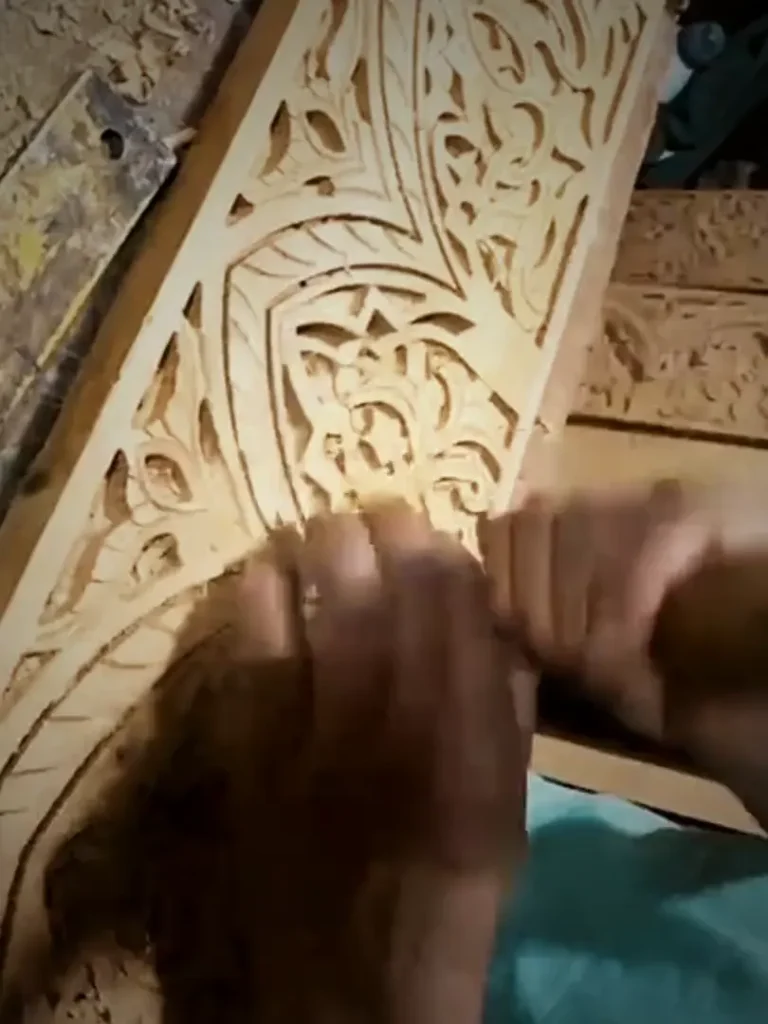
The entryway is your first opportunity to establish a Moroccan theme. In Marrakech, the massive, studded cedarwood doors are more than just entry points; they are symbols of hospitality and protection. Incorporating a hand-carved cedarwood door, such as those crafted by the artisans at ALQASR, provides an immediate architectural anchor that dictates the mood of the entire room.
In the living room, focus on low-slung furniture and soft lighting. Moroccan design is inherently social, centered around floor cushions and intricate brass lanterns that cast dancing shadows across the ceiling. Avoid harsh overhead lighting in favor of warm, localized light sources.
The Role of Mirrors and Light
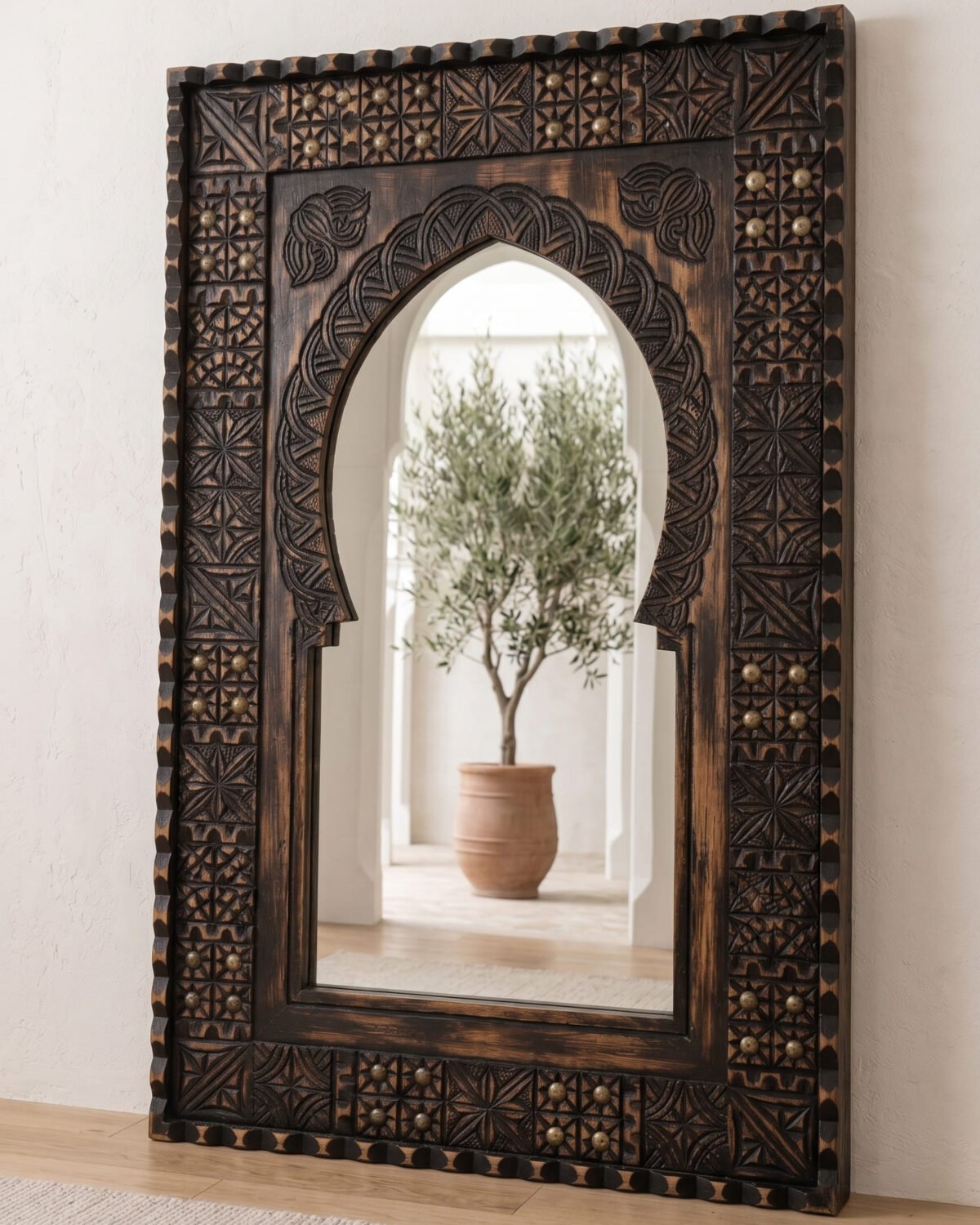
Light is a precious commodity in traditional architecture, often reflected strategically to brighten deep hallways. A large, ornate Moroccan mirror featuring brass metalwork can serve the same purpose in a home. By placing an ALQASR mirror strategically opposite a window, you can draw the outside greenery in, creating a visual depth that mimics the airy feel of a courtyard.
Selecting Authentic Decor
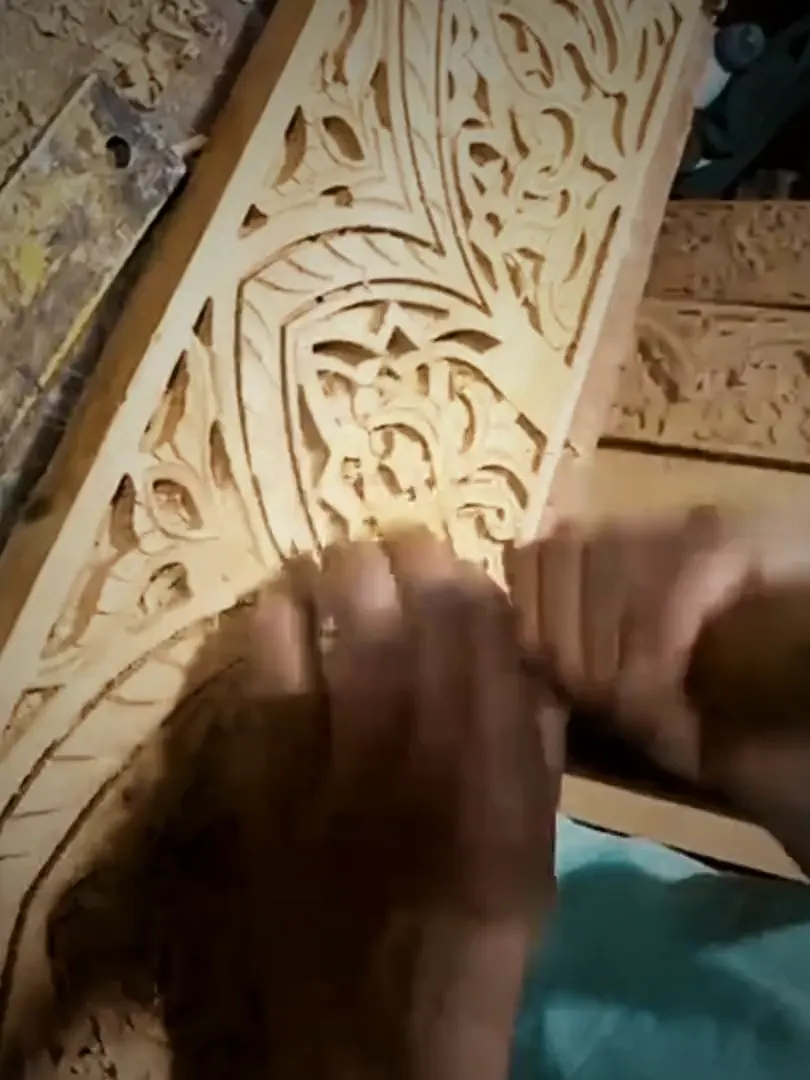
Avoid the temptation to clutter your space with generic replicas. True Moroccan style is defined by ‘less is more’ when it comes to furniture, but ‘more is more’ regarding craftsmanship. Each piece, from the hand-carved cedar screens to the brass-trimmed accent tables, should carry the mark of a skilled hand.
Look for authentic zellige accents in shades of cobalt, emerald, or warm terracotta. These tiles are traditionally shaped with small hammers, resulting in a slightly irregular surface that plays with light. When these elements are combined, the space gains a sense of history and lived-in sophistication.
Frequently Asked Questions
What are the essential elements of Riad architecture?
The essentials include an inward-facing courtyard layout, a central water feature, symmetrical arched doorways, and the use of natural materials like zellige tiles, cedarwood, and tadelakt lime plaster.
How can I incorporate Moroccan style into a small home?
Focus on one or two high-quality architectural features, such as a carved cedar door or an ornate brass mirror, and maintain a neutral color palette on walls to keep the space feeling open and airy.
Why is cedarwood so common in Moroccan design?
Atlas cedarwood is highly valued in Morocco for its structural durability, its aromatic properties, and its ability to hold intricate, fine-detail carvings that last for generations.
Final Thoughts on Riad Courtyard Design
At its heart, riad courtyard design is about turning inward: shade, water, greenery and handcrafted detail gathered around a quiet centre. You do not need a full riad to borrow its logic — a carved door, a mashrabiya screen or an arched mirror can bring riad courtyard design into a patio or even a single room. Start small, stay true to natural materials, and let authentic riad courtyard design grow with your home. Our artisans are happy to help you choose pieces that suit your riad courtyard design project.
Explore Our Handmade Moroccan Doors & Mirrors
Further reading: Moroccan architecture on Wikipedia.