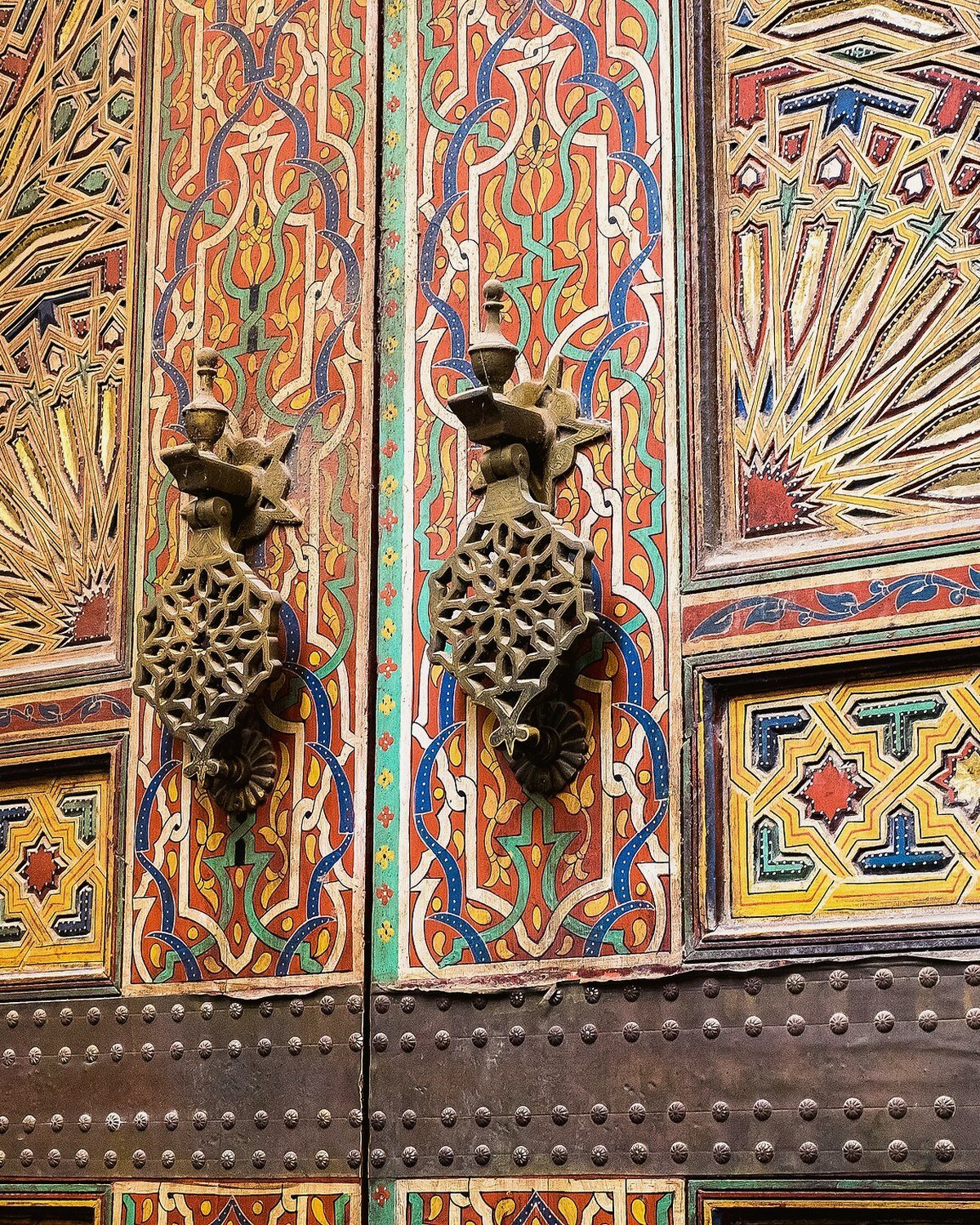
Moroccan doors serve as the threshold between the bustling exterior world and the tranquil intimacy of the home. These architectural masterpieces are not merely functional entryways but are intricate displays of heritage, craftsmanship, and geometry. Incorporating authentic Moroccan doors into your interior design can transform an ordinary space into a sanctuary of timeless elegance.
The art of creating these pieces is deeply rooted in the history of cities like Fes and Marrakech. By understanding the materials and techniques involved, you can better appreciate how they ground a room and provide a sense of place. Whether used as a grand entrance or a statement interior feature, these doors are the heartbeat of traditional Moroccan architecture.
The Anatomy of Moroccan Doors
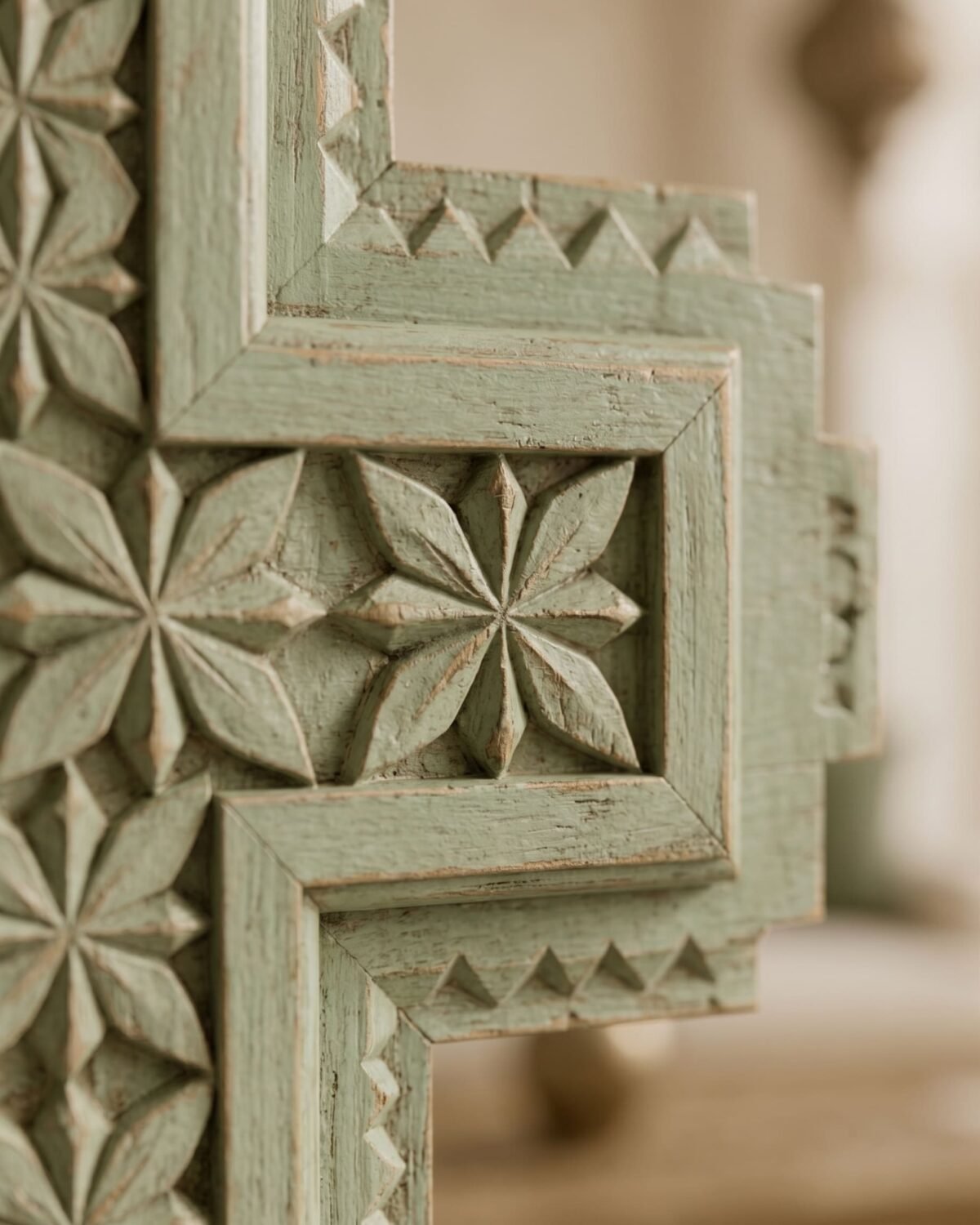
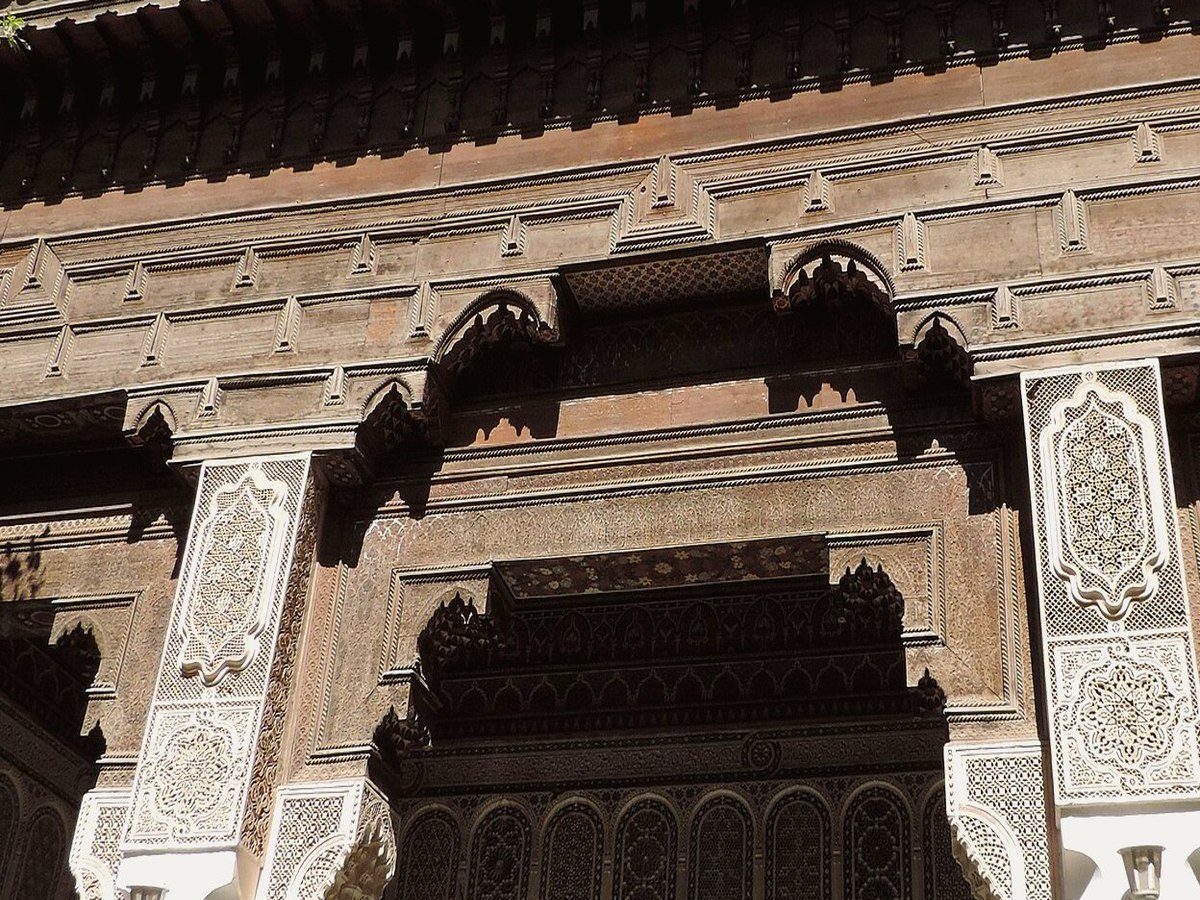
Authentic Moroccan doors are primarily crafted from Atlas cedarwood, prized for its durability and aromatic properties. Artisans in Fes utilize traditional hand-carving techniques passed down through generations to create intricate geometric patterns, or ‘zellij’ wood inlay. These designs often reflect the Islamic emphasis on infinite patterns, symbolizing the unity and complexity of the universe.
The Role of Brass and Metalwork
Beyond the woodwork, brass detailing is a signature element of these grand portals. Skilled metalworkers hand-hammer sheets of brass or copper to create ornate plates, knockers, and studs. These metallic accents provide a stunning contrast to the warm, dark tones of the cedar, creating a visual balance that is both regal and welcoming.
Styling Your Space With Moroccan Doors
Integrating a piece of Moroccan architecture into a modern home requires a balance of respect and functionality. A popular approach is to use a smaller, carved cedar door as a pantry entrance or a decorative wall feature to create a focal point. Because these doors are so visually rich, allow them to breathe by keeping surrounding walls neutral and minimalist.
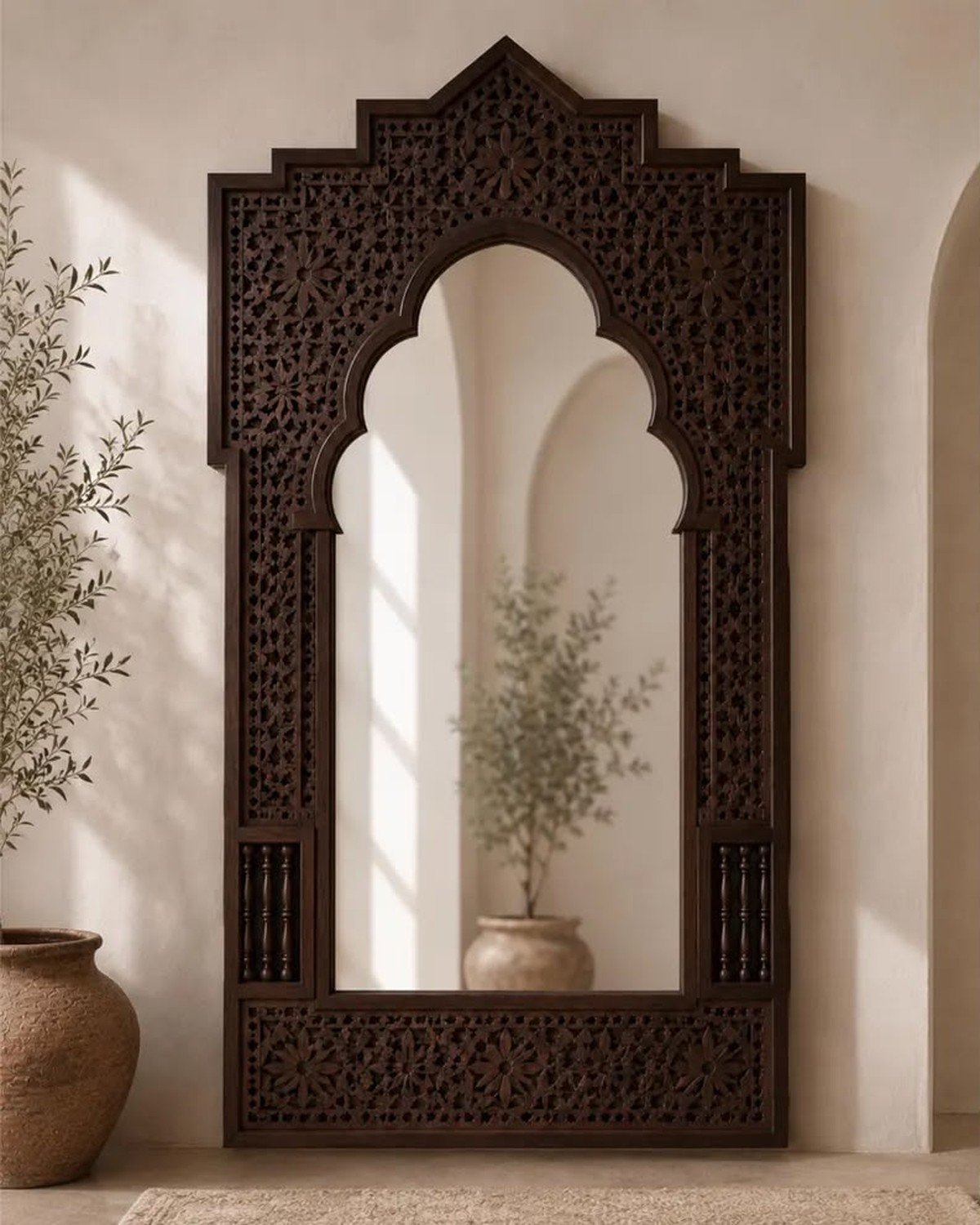
At ALQASR, we collaborate with local artisans to ensure every door captures the authentic spirit of its origin. If you are looking to create a cohesive look, consider pairing your wooden doorway with handcrafted Moroccan mirrors that echo the same brass motifs or geometric carvings. This layering of textures helps harmonize the room while maintaining the integrity of the design.
Understanding Regional Craftsmanship
The design of a door often hints at its geographical origins. Doors from Fes are historically associated with refined, dense carving styles and deep, spiritual geometric motifs. In contrast, Marrakech designs may lean toward more robust, bold architectural features, reflecting the city’s vibrant, eclectic cultural history.
When sourcing these items, look for evidence of hand-tooling. Machine-cut wood lacks the subtle imperfections that define truly artisanal work. Investing in a handmade piece, such as those curated by ALQASR, ensures that you are supporting a dying craft and bringing a genuine piece of history into your modern living space.
Frequently Asked Questions
How should I maintain my cedarwood doors?
Clean your doors with a soft, dry cloth to remove dust. If the wood appears dry, you can occasionally apply a small amount of cedar or natural wax to nourish the grain and maintain its lustrous finish.
Can Moroccan doors be used for exterior entryways?
Yes, they can be used for exterior applications if properly treated and protected from direct, harsh weather. Consult with the maker regarding the specific climate of your region to ensure the cedarwood is adequately sealed for outdoor durability.
Are these doors difficult to install?
Authentic doors often feature traditional dimensions and hinges. While they can be installed by experienced carpenters, it is recommended to have your installer measure the frame precisely, as handmade items may have slight variations compared to mass-produced alternatives.
Explore Our Handmade Moroccan Doors & Mirrors
Further reading: the history of Marrakesh on Wikipedia.
Explore the atelier: discover our handmade Moroccan doors, including Bab Al Andalus and Chefchaouen Arch. Read also our guide to authentic Moroccan doors.