The Essence of Marrakech Architecture
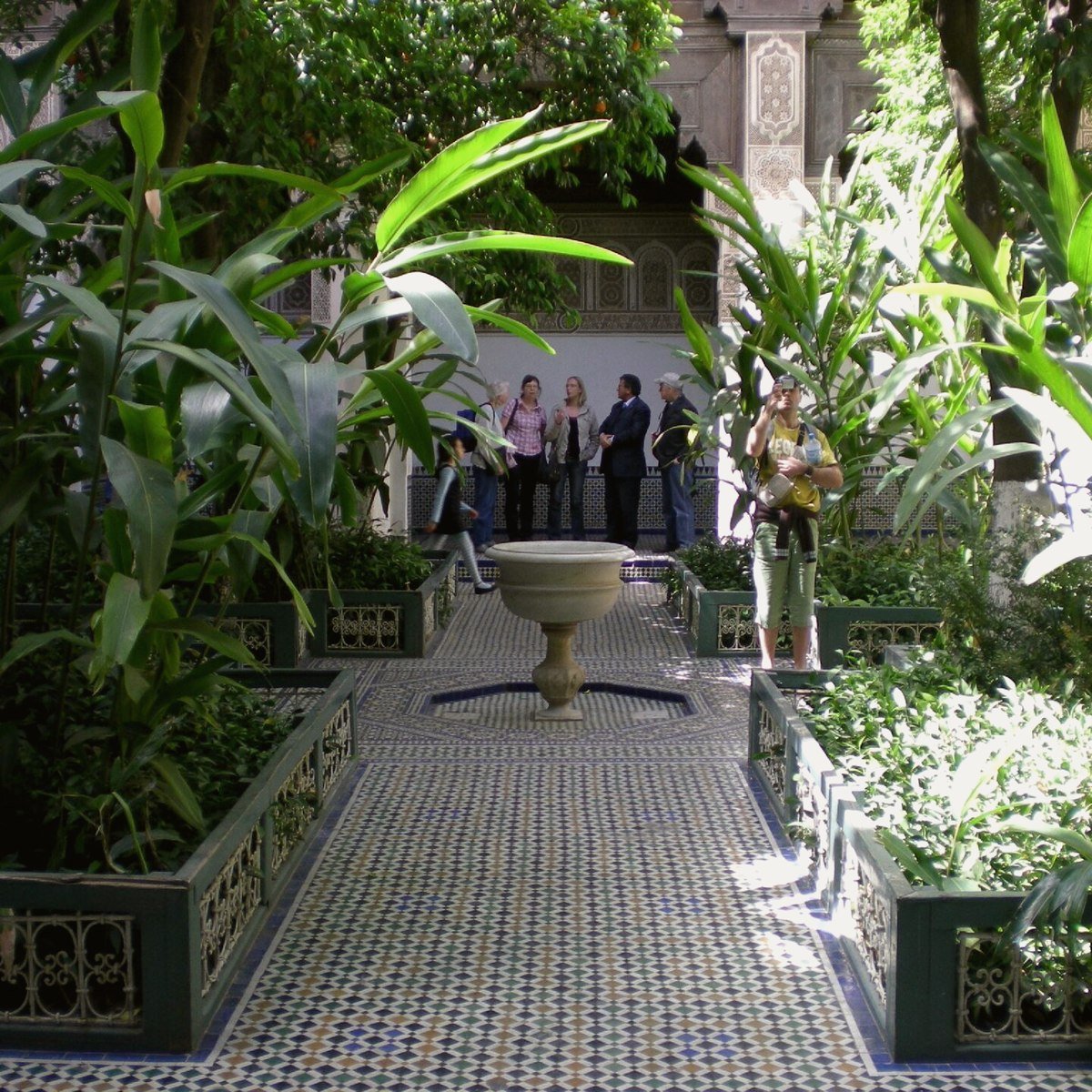
Stepping into a Marrakech riad feels like entering a sanctuary hidden from the bustling city streets. The architecture relies on the principle of inward-facing design, where beauty is reserved for the residents rather than the public eye. At the threshold of these homes, Moroccan doors serve as the critical transition between the chaotic exterior and the serene interior courtyard.
These structures are defined by thick mud-brick walls, open-air central gardens, and the strategic use of light. Every architectural element serves a purpose, from the cooling properties of zellige tile work to the privacy afforded by heavy, carved wooden portals. Understanding this style requires looking past the surface to the craftsmanship that has defined Moroccan aesthetics for centuries.
The Artistry of Moroccan Doors
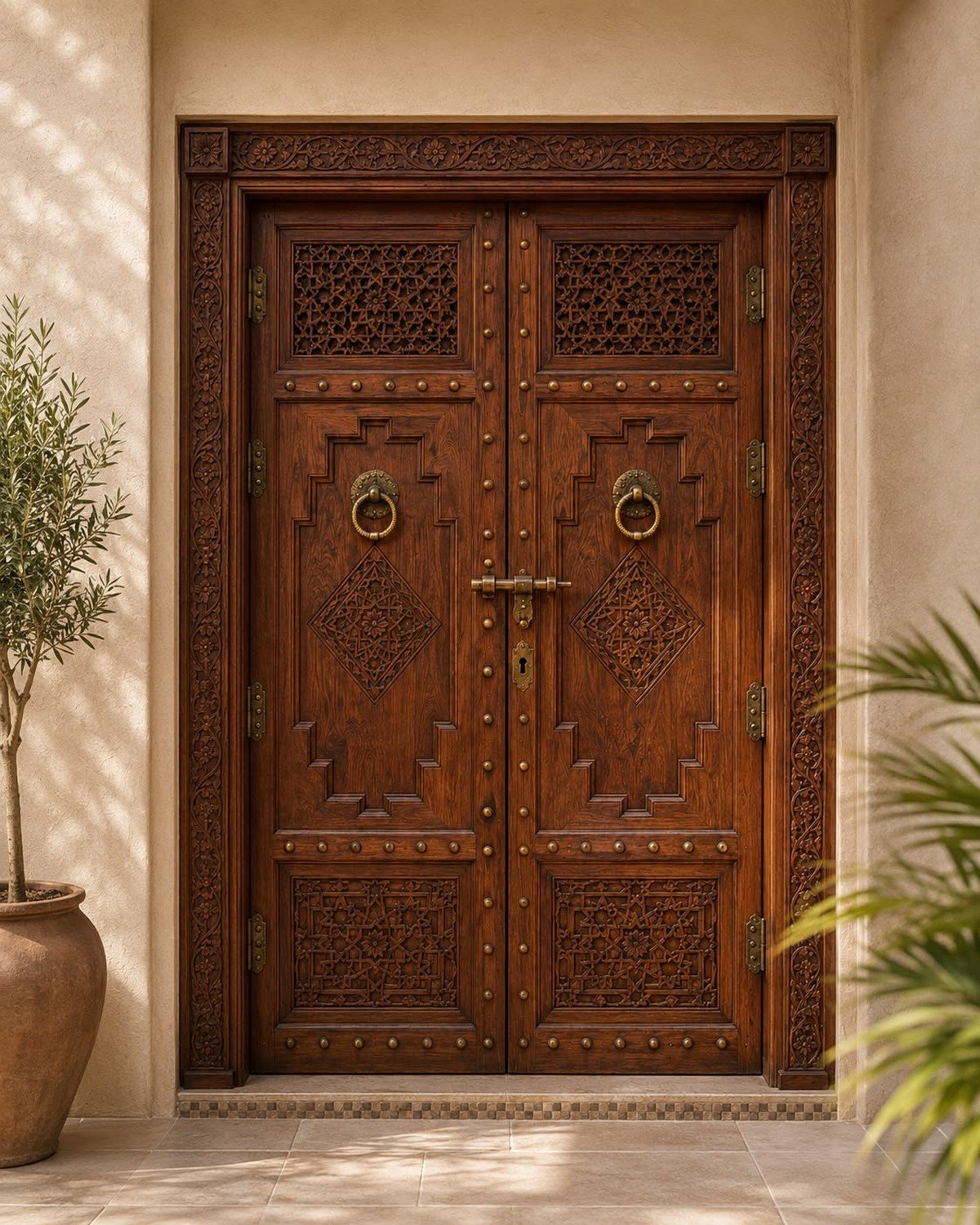
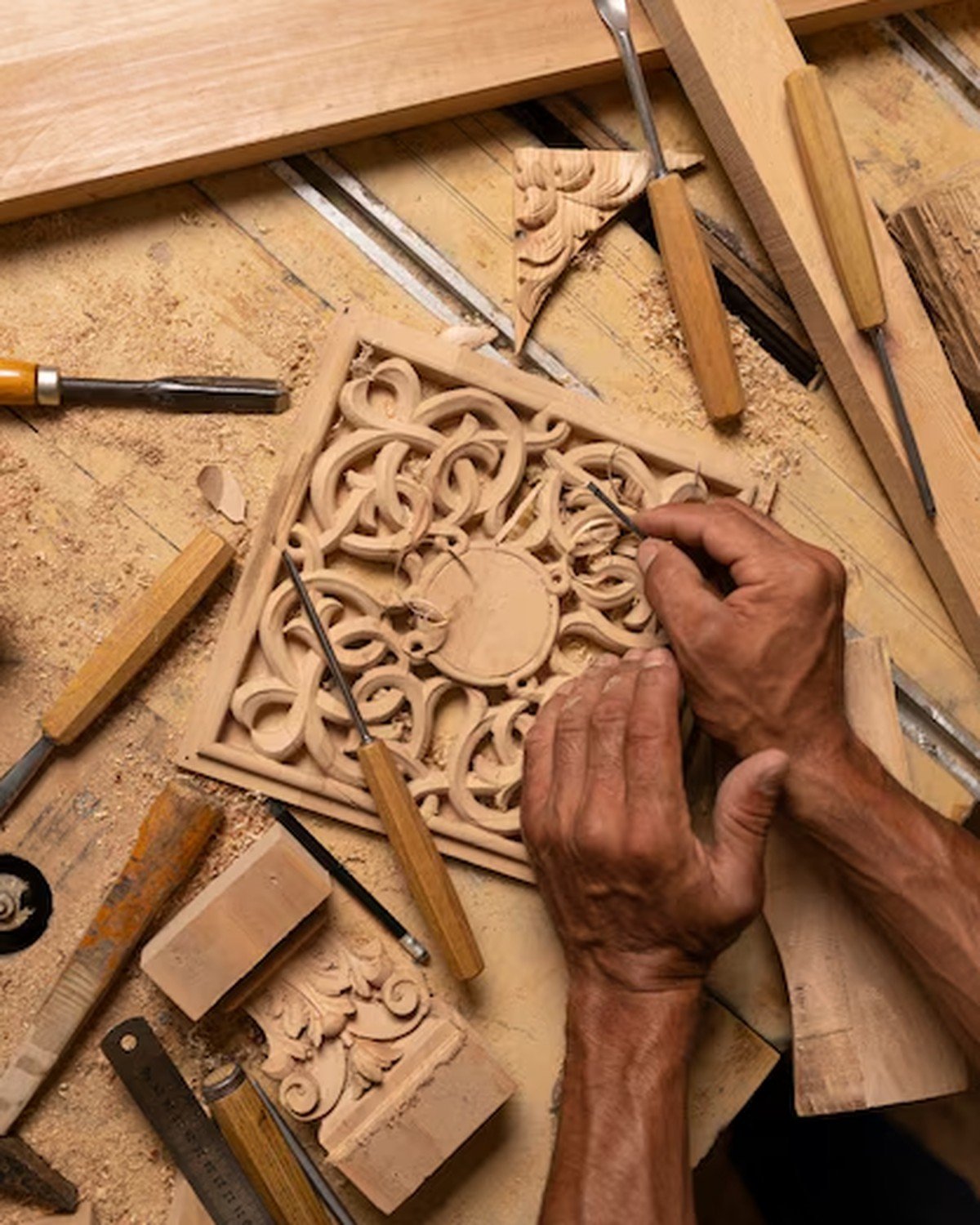
Authentic Moroccan doors are not merely functional barriers; they are monumental pieces of art. Master artisans in Fes and Marrakech use ancient techniques to transform raw cedarwood into intricate geometric masterpieces. These creators often dedicate weeks to a single frame, ensuring that the proportions follow the mathematical harmony traditional to Islamic design.
Materials and Techniques
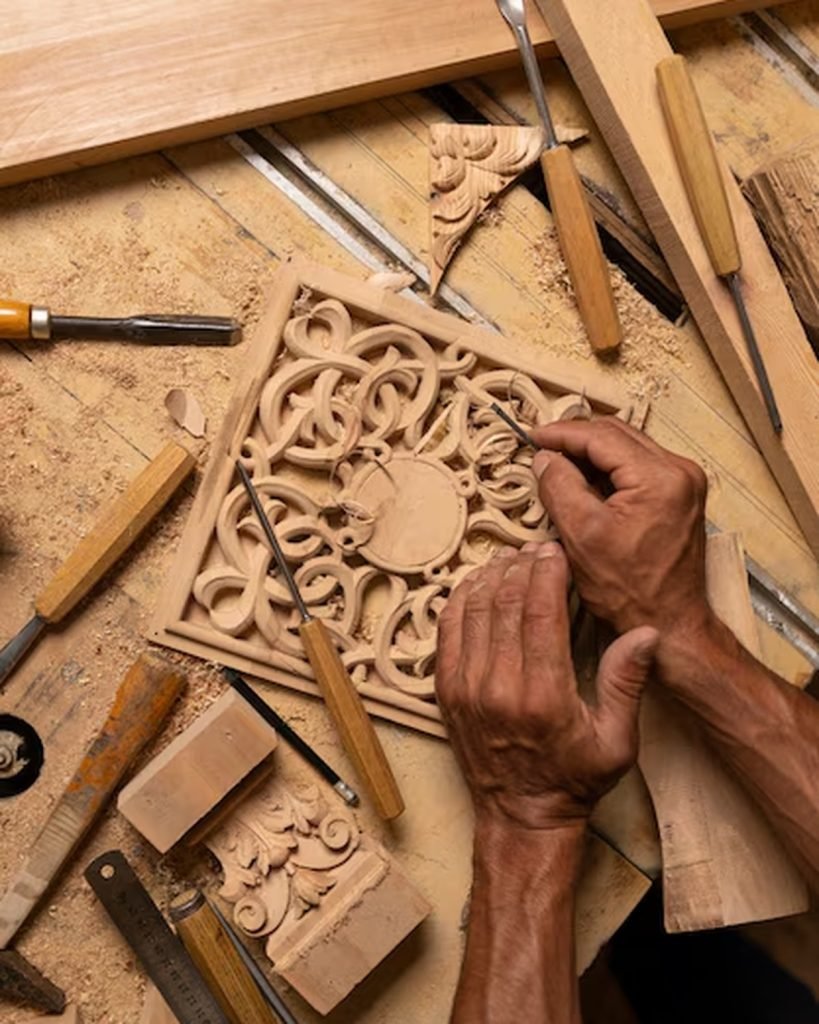
Cedarwood is the preferred material for its durability and aromatic properties, which resist the dry desert heat. Craftsmen carve these surfaces using chisels and mallets, following patterns passed down through generations. Once carved, the wood is often accented with brass or copper studs, adding a layer of metallic shimmer that catches the desert sun. At ALQASR, we continue this legacy by sourcing materials ethically and employing traditional hand-tool methods for every piece.
Design Elements
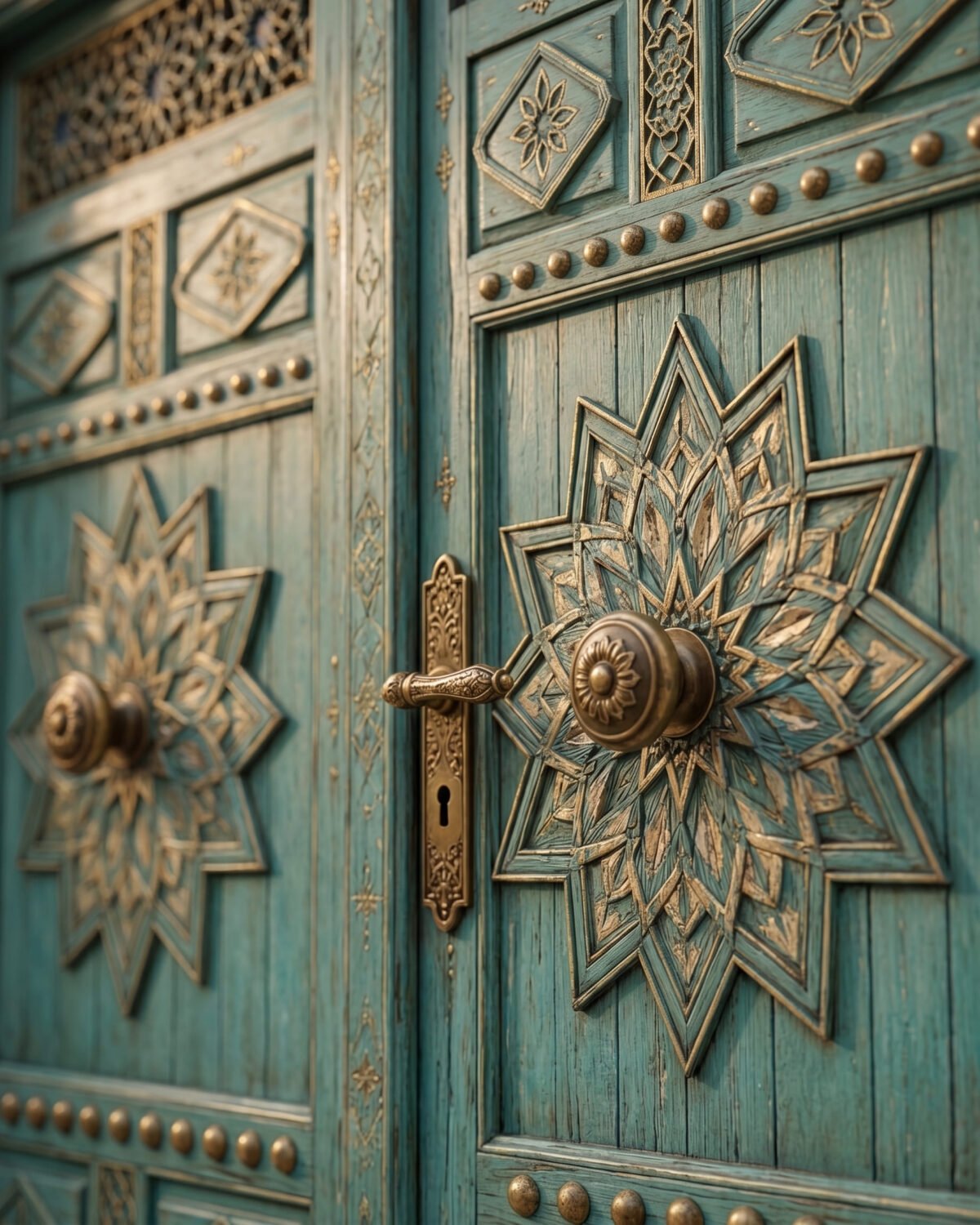
The classic design often features a pointed arch, known as the Moorish arch, which draws the eye upward. You will frequently see star-patterned carvings that represent the infinite nature of the cosmos. These motifs are carefully balanced with the structural weight of the door, creating a sense of balance that feels both grounded and ethereal.
Bringing the Marrakech Aesthetic Home
Incorporating elements of Marrakech design into your own space requires a focus on authenticity and texture. You do not need to live in a desert climate to appreciate the warmth of carved wood and metallic accents. A single, well-placed piece can act as a focal point, drawing inspiration from the grandeur of a traditional riad.The beauty of Moroccan doors also lies in their versatility.
Styling Advice
If you are looking to integrate these styles, consider how the object interacts with light. Moroccan doors work beautifully in transitional spaces, such as an entryway or a dedicated reading nook. When paired with soft lighting and natural textiles, the rugged textures of the wood become a sophisticated addition to a modern or eclectic interior.ALQASR mirrors, with their detailed brass frames and refined Moroccan-inspired craftsmanship, serve as a perfect secondary element to complement these larger architectural statements. Positioned opposite a door, above a console, or within a carefully styled seating area, they can reflect both natural and artificial light while adding depth and elegance to the space.
Frequently Asked Questions
How can I tell if a door is authentically Moroccan?
Alqasr Authentic pieces are usually made from solid cedarwood and show variations in the carving that indicate hand-tool work rather than machine-milled precision.
What is the significance of the geometric patterns on these doors?
The patterns, often based on star polygons, symbolize the mathematical order of the universe and are a hallmark of Islamic architectural tradition.
How should I care for handcrafted wooden doors?
Keep the wood hydrated with natural oils and avoid placing the door in direct, prolonged contact with moisture or harsh, abrasive cleaning chemicals.
Explore Our Handmade Moroccan Doors & Mirrors
Further reading: Tadelakt plaster on Wikipedia.
Explore the atelier: discover our handmade Moroccan doors, including Marrakech Grande and Palais Nour.