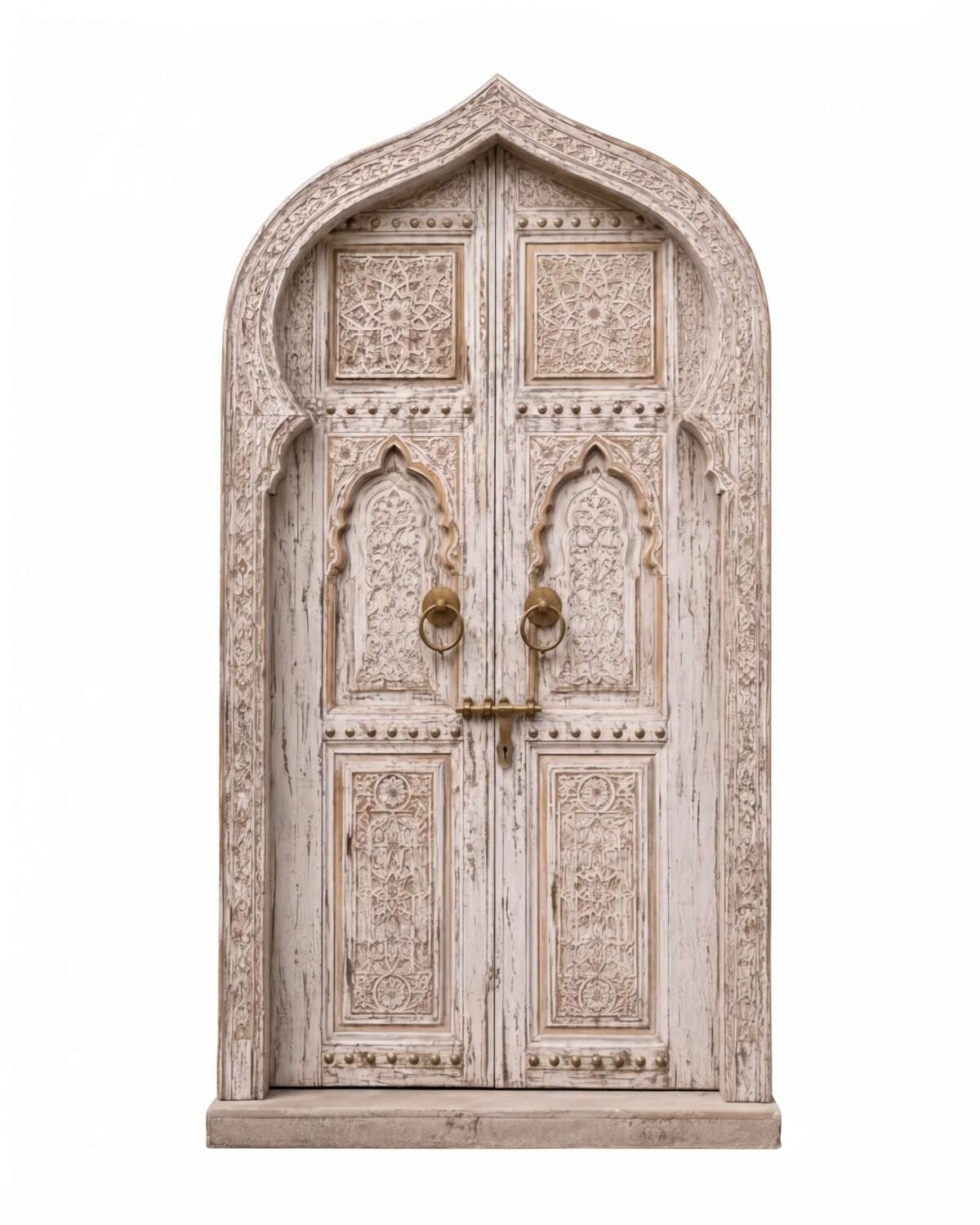
The Timeless Significance of Moroccan Door History
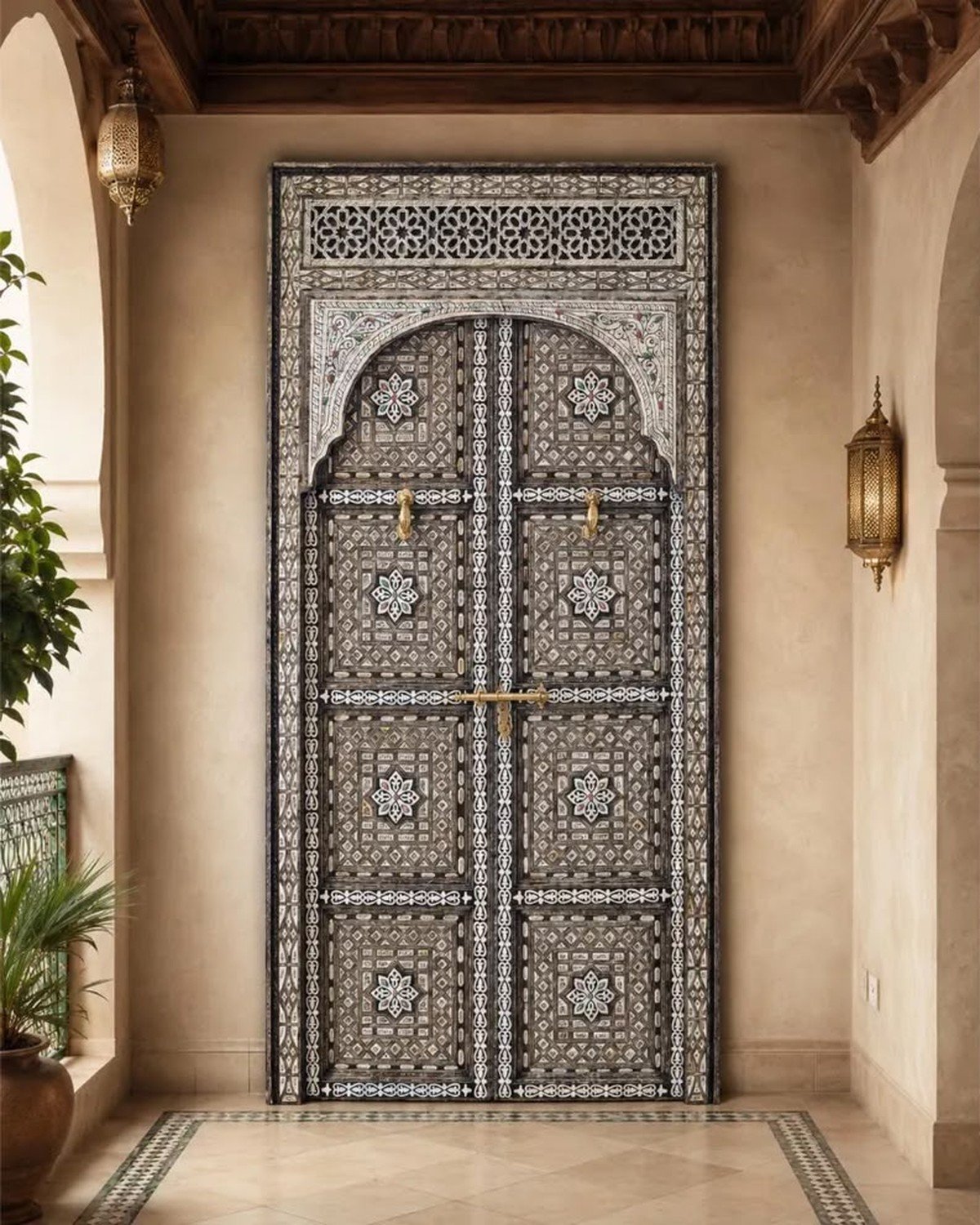
Moroccan architecture serves as a bridge between nomadic heritage and urban sophistication. Central to this aesthetic is the Moroccan door history, which tracks the evolution of the entrance as a symbol of protection, status, and artistic devotion. In Moroccan homes, the door is rarely just a functional barrier; it is an ornate portal designed to welcome guests into a sanctuary of privacy.
Understanding the layers of Moroccan door history requires looking at the cedarwood forests of the Middle Atlas Mountains. For centuries, master artisans have selected this timber for its durability, aromatic scent, and unique grain patterns. By blending geometric precision with organic forms, these makers transformed simple doorways into masterpieces that reflect the soul of the Maghreb.
The Anatomy of Artisan Craftsmanship
The Art of Cedar Carving
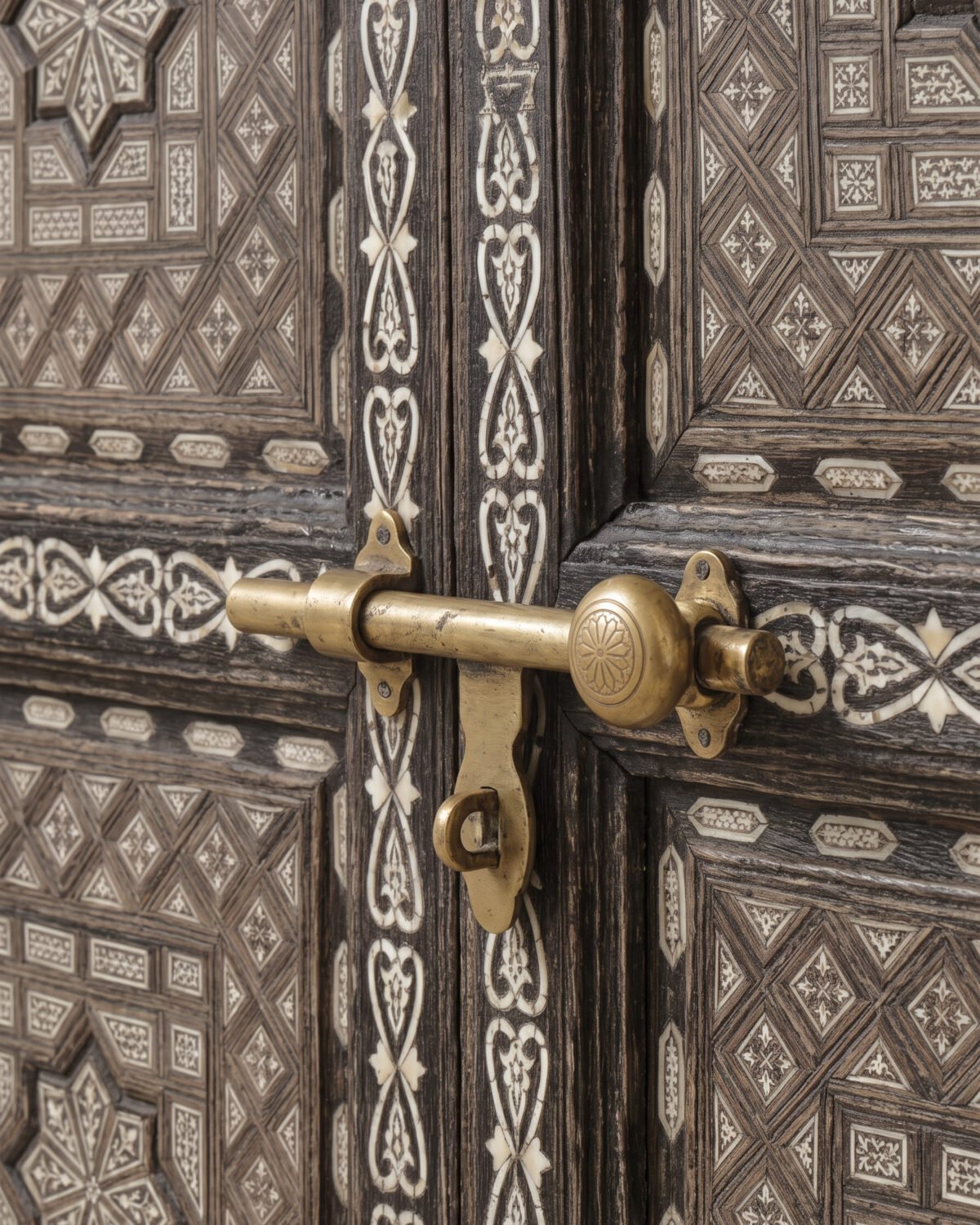
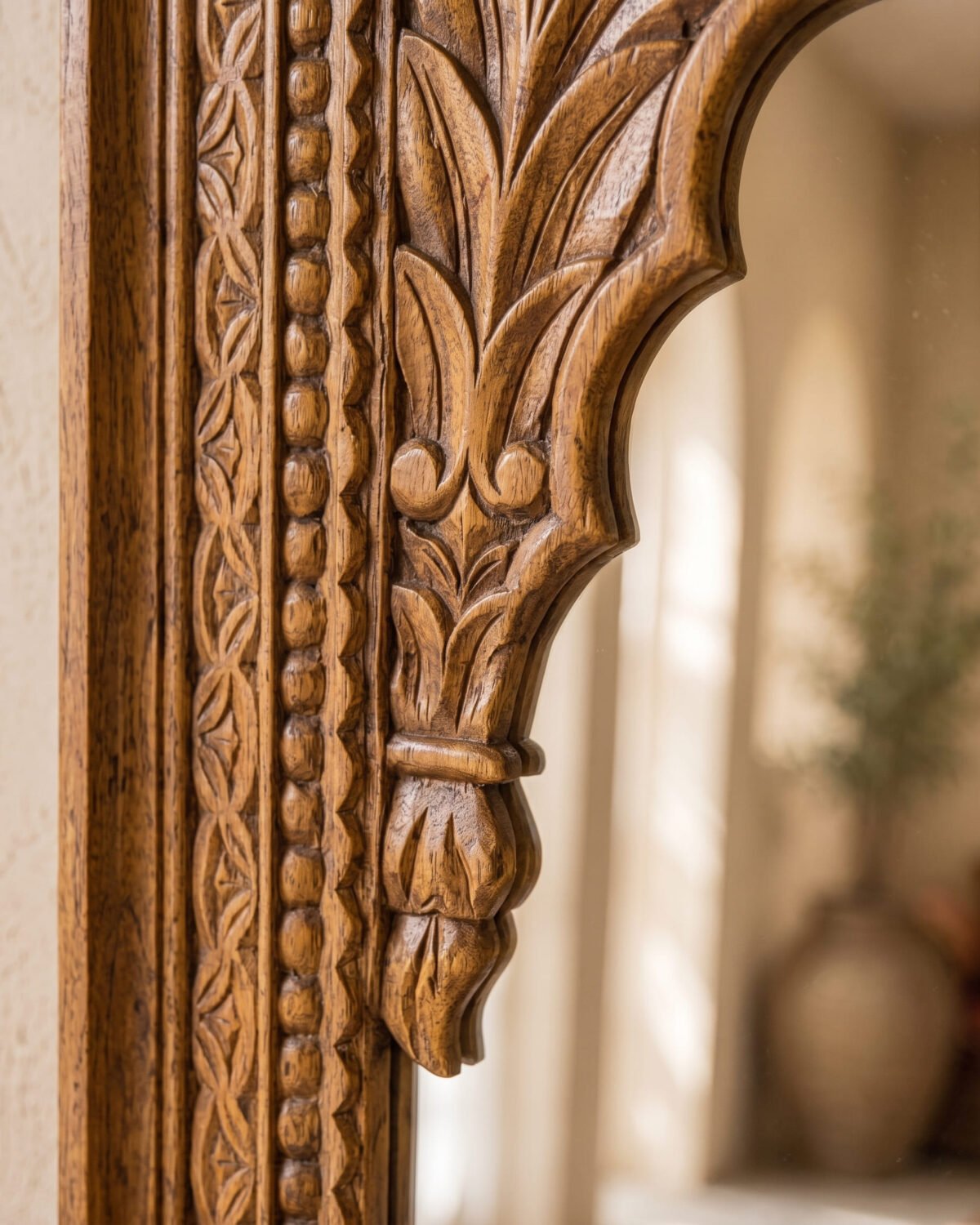
The core of authentic craftsmanship lies in the woodcarving techniques passed down through generations in Marrakech. Artisans use traditional chisels to carve intricate arabesque patterns known as mousharabiya or floral motifs into aged cedar. This slow, meditative process ensures that no two doors are ever identical, preserving the human touch in every curve.
Brass Inlay and Zellige Details
Beyond wood, metalwork plays a vital role in the decorative language of Moroccan entrances. Brass plates are often hand-hammered to create geometric stars or calligraphic inscriptions that catch the shifting desert light. In some instances, artisans incorporate shards of zellige, the famous hand-cut mosaic tile, to frame the door, grounding the piece in the vibrant color palettes of North African design.
Styling Moroccan Doors in Modern Interiors
Integrating a piece of history into a contemporary home requires a balance of scale and simplicity. A hand-carved door can serve as the focal point of a room, acting as a structural anchor that defines the surrounding furniture. When you source pieces from makers like ALQASR, you are incorporating a tangible history that contrasts beautifully with clean lines and minimalist white walls.
For those looking to achieve a cohesive look, consider the relationship between your doors and your wall art. A heavy, carved cedar door pairs exceptionally well with a sleek, minimalist mirror, perhaps one featuring the same brass detailing found in your entranceway. By echoing the materials across your space, you create a narrative that honors Moroccan tradition without overwhelming your modern floor plan.
The Preservation of Heritage
As modern construction trends favor mass-produced materials, the preservation of traditional Moroccan door history becomes an act of cultural stewardship. Authentic pieces are not merely decorative; they carry the history of the tools, the hands of the master, and the regional styles of the cities they represent. Supporting ateliers like ALQASR helps keep these specialized skills alive, ensuring that future generations can still walk through a hand-crafted cedar threshold.
Whether you are renovating a historic villa or adding a touch of global soul to an apartment, the key is intentionality. Choose pieces that speak to the patience of the craft. When a door is built to last for centuries, it ceases to be a purchase and becomes a legacy.
Frequently Asked Questions
What wood is traditionally used for Moroccan doors?
Cedarwood, specifically from the Atlas Mountains, is the traditional gold standard due to its natural resistance to decay, its distinct aroma, and its ability to hold fine, intricate carvings over decades.
How do I care for a hand-carved wooden door?
Regular maintenance involves light dusting and the occasional application of natural wax or wood oil to prevent the cedar from drying out. Avoid harsh chemical cleaners, as they can strip the natural oils and dull the fine detail of the carving.
Are these doors suitable for exterior use?
While traditional Moroccan doors are often used for internal courtyards or grand entrances, exterior use depends on your specific climate. In temperate zones, a well-sealed cedar door can withstand the elements, but it is best to consult with an artisan to ensure appropriate treatment for your local weather conditions.
Explore Our Handmade Moroccan Doors & Mirrors
Further reading: Tadelakt plaster on Wikipedia.