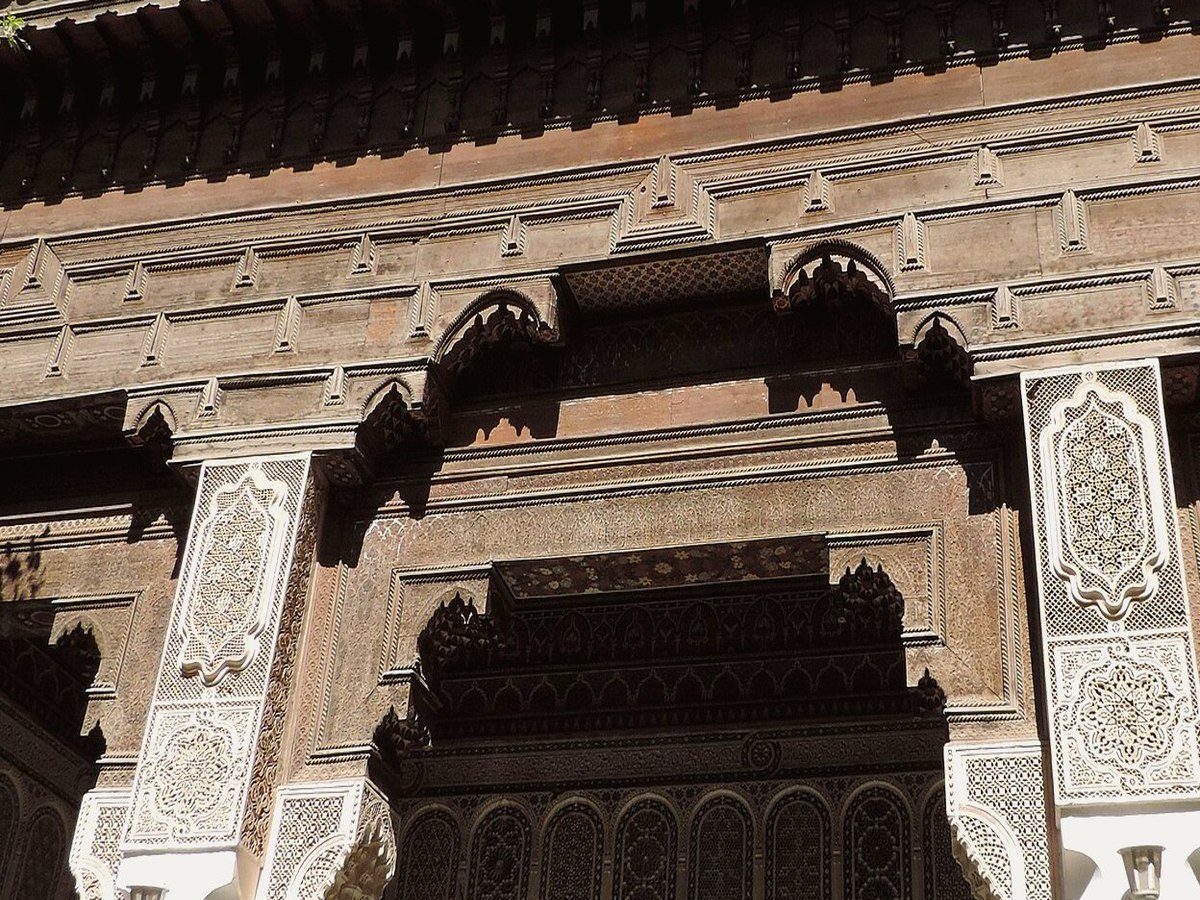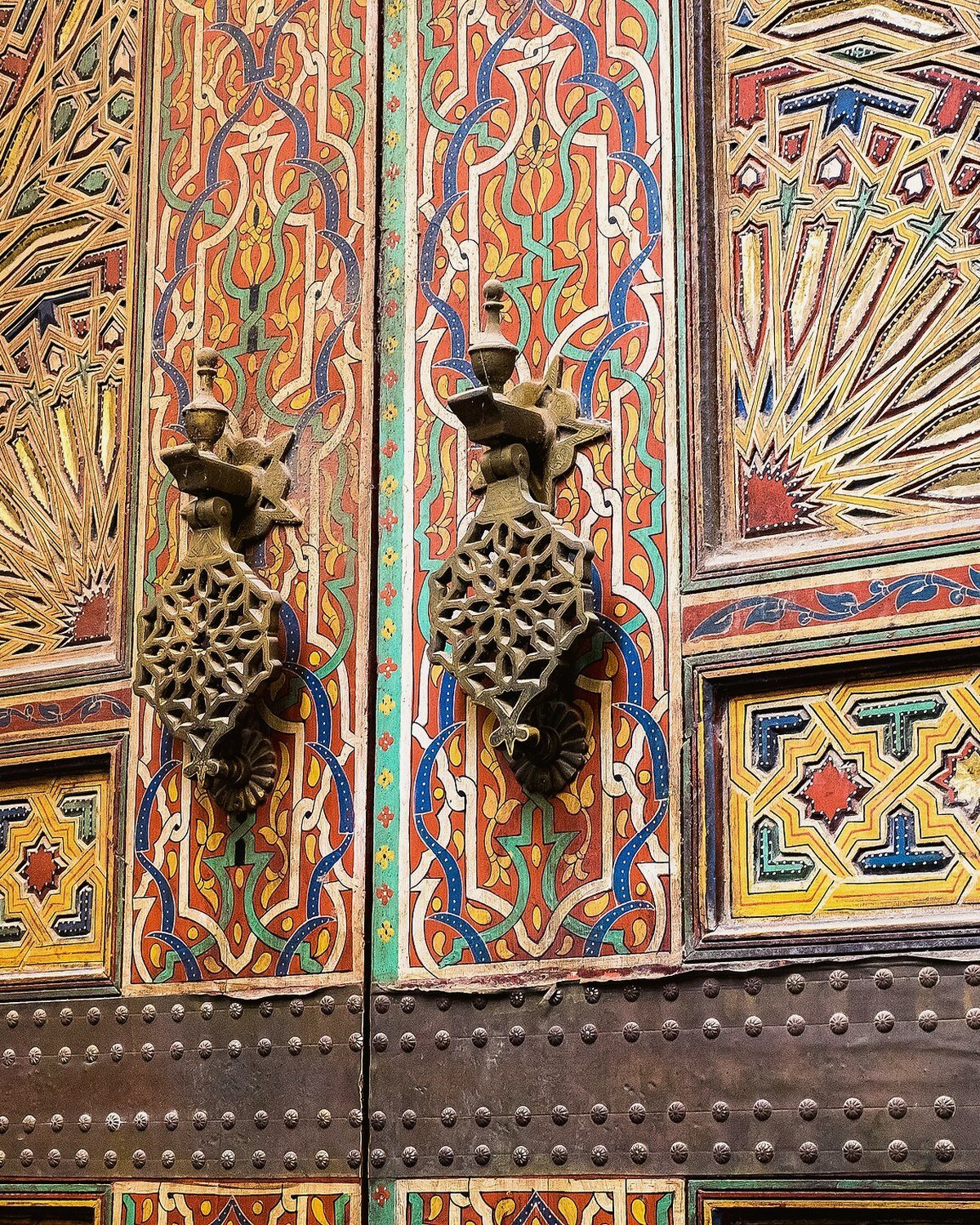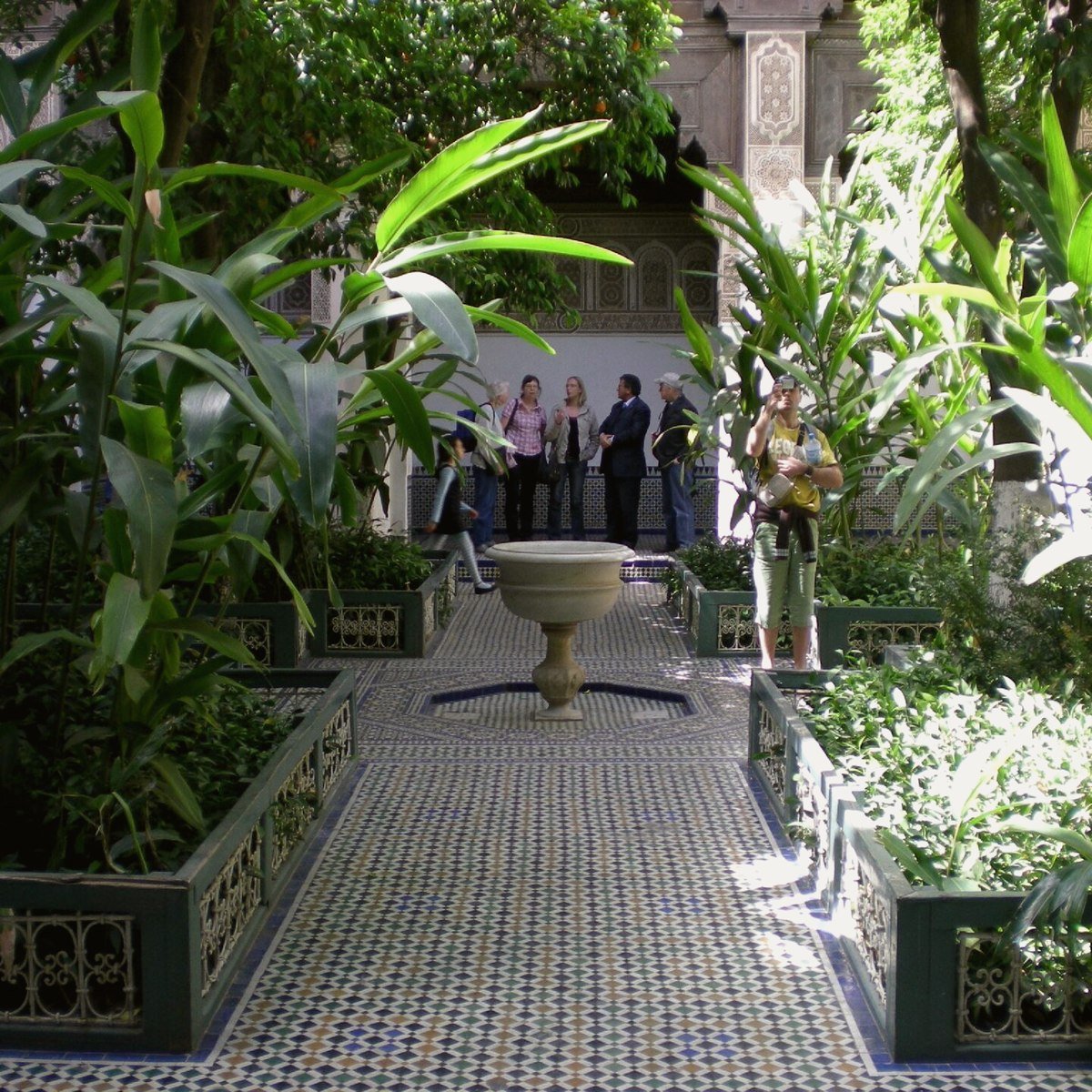
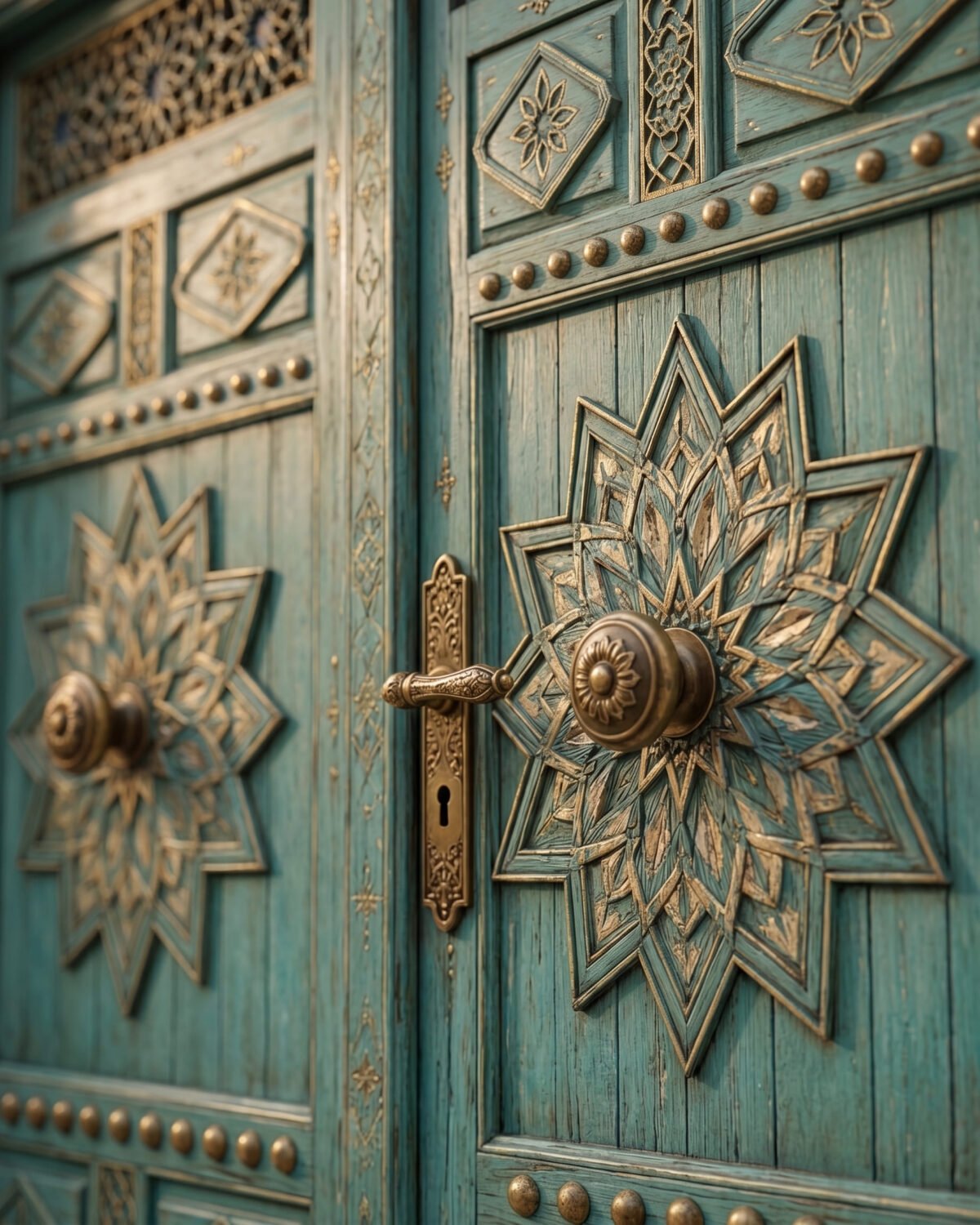
When designing a space inspired by North African architecture, the combination of intricate wood doors and vibrant Zellige tilework creates an unmatched sense of history. These elements are the hallmarks of a traditional Moroccan home, offering a tactile journey through centuries of artisanal craftsmanship. Whether you are renovating a foyer or adding a focal point to a living area, understanding how these materials interact is key to a successful design.
Authentic wood doors, particularly those carved from aromatic cedar by artisans in Fes or Marrakech, serve as the perfect frame for the geometric complexity of Zellige. By balancing the warmth of the timber with the cool, reflective surfaces of hand-cut tiles, you can transform a standard room into a sanctuary of Moroccan elegance. At ALQASR, we believe these elements should honor the heritage of the craftsmen who have perfected these techniques over generations.
The Art and History of Zellige
Zellige is a form of mosaic tilework made from individually hand-chiseled geometric tiles set into a plaster base. Originating in the 10th century, this craft reached its zenith in the palaces of the Marinid dynasty, where it was used to signify sophistication and divine order. Each tile is cut by hand using a sharp hammer, a skill that requires years of apprenticeship to master.
Natural Materials and Pigments
Traditional Zellige relies on natural clay from the Fes region, which is known for its unique mineral composition. Artisans coat the tiles in natural metal-oxide glazes, resulting in the deep blues, vibrant greens, and earthy terracottas that define the style. Because each piece is fired in an olive-pit-fed kiln, slight variations in color—known as ‘esmal’—are not defects, but signs of authenticity.
Styling Wood Doors with Zellige Accents
Integrating wood doors into a space featuring Zellige requires an appreciation for scale and texture. A carved cedar door creates a heavy, grounded presence, while the Zellige provides a rhythmic, repeating pattern that draws the eye across the wall. To maintain balance, use the tiles as a wainscoting or a decorative border that highlights the entry point of the room.
Creating a Seamless Transition
If you have installed large wood doors as your primary entrance, consider framing them with a Zellige surround. This creates an architectural ‘portal’ that emphasizes the threshold, a classic design move seen in historic riads. The smooth, glazed surface of the tile reflects ambient light, which softens the natural grain of the wood and prevents the entry from feeling too dark.
Maintenance and Longevity
Both handcrafted timber and glazed ceramic are incredibly durable materials when cared for correctly. Wood doors should be treated with natural oils to prevent drying, especially in climates with significant temperature fluctuations. Keeping these pieces in top condition ensures they age gracefully, developing a rich patina that only adds to their value over time.
Preserving the Craft
When you select items from makers like ALQASR, you are investing in a legacy of handmade production. Our approach to creating mirrors and doors involves traditional joinery methods that avoid mass-produced adhesives, ensuring the wood remains stable. Pairing this longevity with the timeless nature of Zellige tiles ensures that your interior remains relevant and beautiful for decades to come.
Frequently Asked Questions
Can Zellige tiles be used in humid environments like bathrooms?
Yes, Zellige tiles are traditionally used in hammams and bathrooms because the glazed surface is water-resistant. Proper grouting with a breathable material is essential to protect the plaster substrate underneath.
What type of wood is best for interior doors?
Cedar is the preferred choice for authentic Moroccan doors due to its natural resistance to insects, its pleasant scent, and its ability to hold intricate, deep-relief carvings without warping easily.
Explore Our Handmade Moroccan Doors & Mirrors
Further reading: the history of Marrakesh on Wikipedia.
Explore the atelier: discover our handmade Moroccan doors, including Fes Mashrabiya and Marrakech Grande. Read also our guide to authentic Moroccan doors.