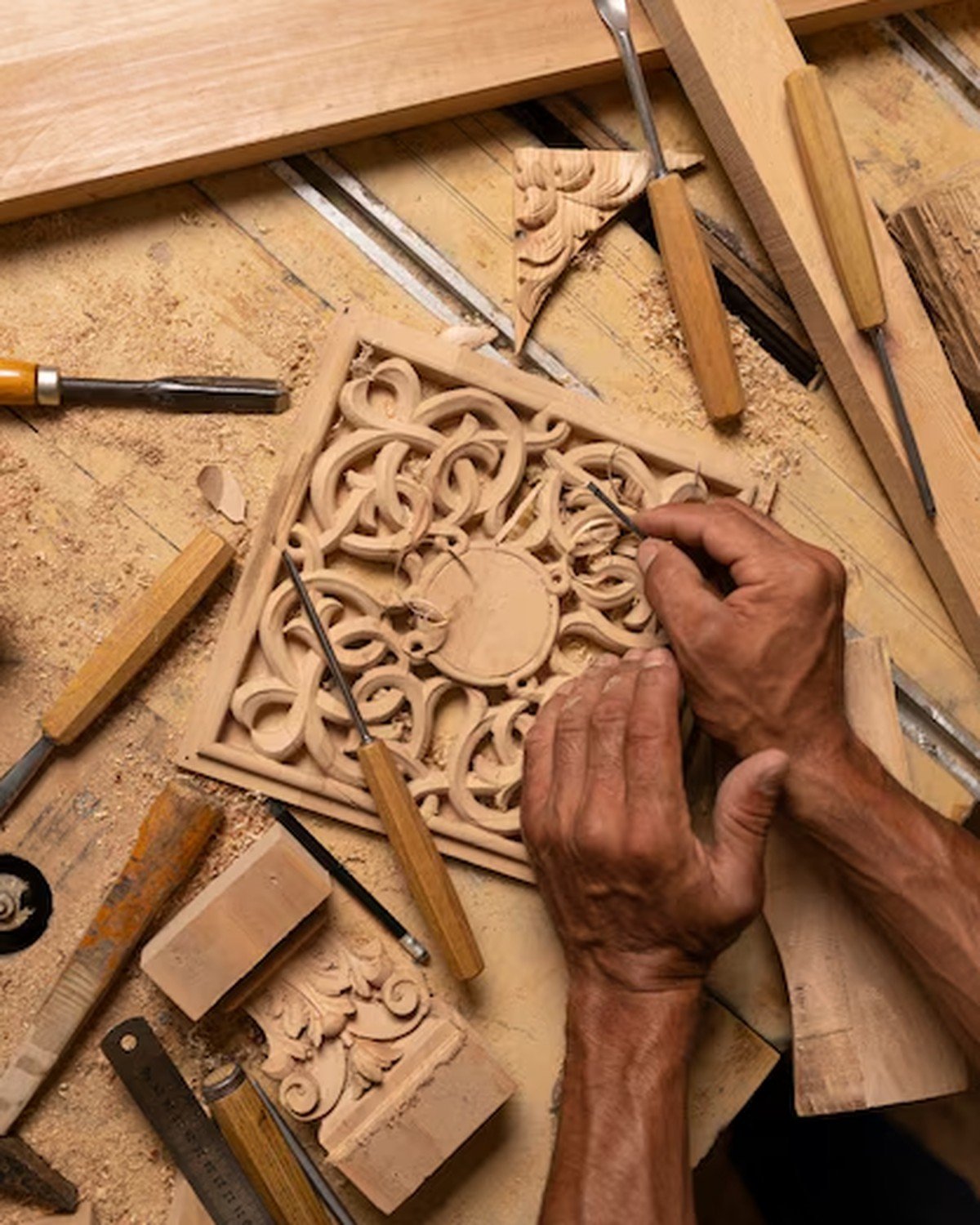
Moroccan doors serve as more than mere thresholds; they are portals into a centuries-old tradition of artistic devotion. In the labyrinthine medinas of Fes, master craftsmen still employ techniques passed down through generations to create these architectural masterpieces. Understanding the depth of this heritage allows you to bring a piece of Moroccan soul into your own home.
When you encounter authentic Moroccan doors, you are witnessing a dialogue between raw materials and human patience. From the selection of fragrant Atlas cedarwood to the meticulous metalwork, every step is deliberate. These elements work in harmony to elevate any interior space, transforming a standard entryway into a focal point of cultural grandeur.
The Anatomy of Fes Craftsmanship
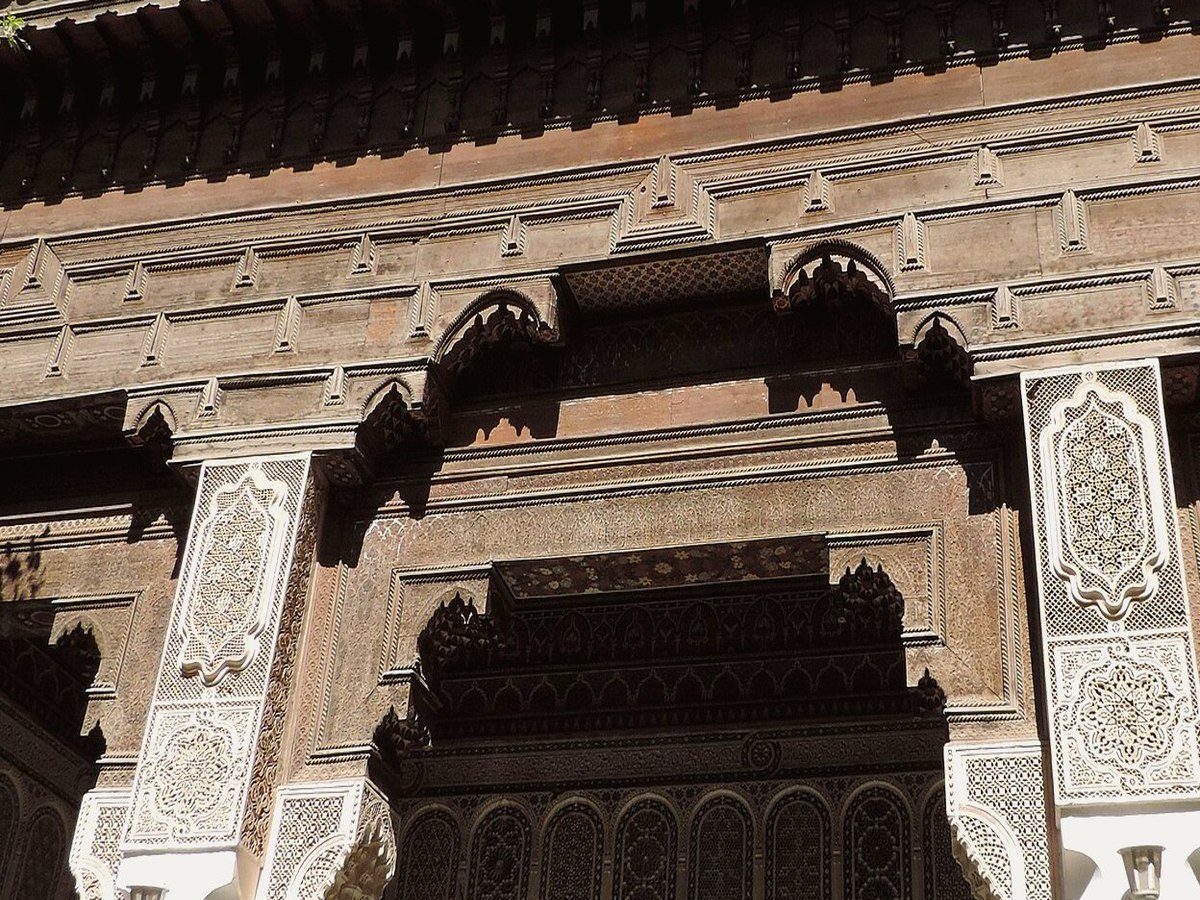
The beauty of a traditional door from Fes lies in the specific materials selected by the artisan. Cedarwood is the cornerstone, valued for its durability, resistance to pests, and the intricate way it responds to sharp chisels. This wood is often treated with natural oils to preserve its rich, auburn hue for decades.
The Role of Geometry and Detail
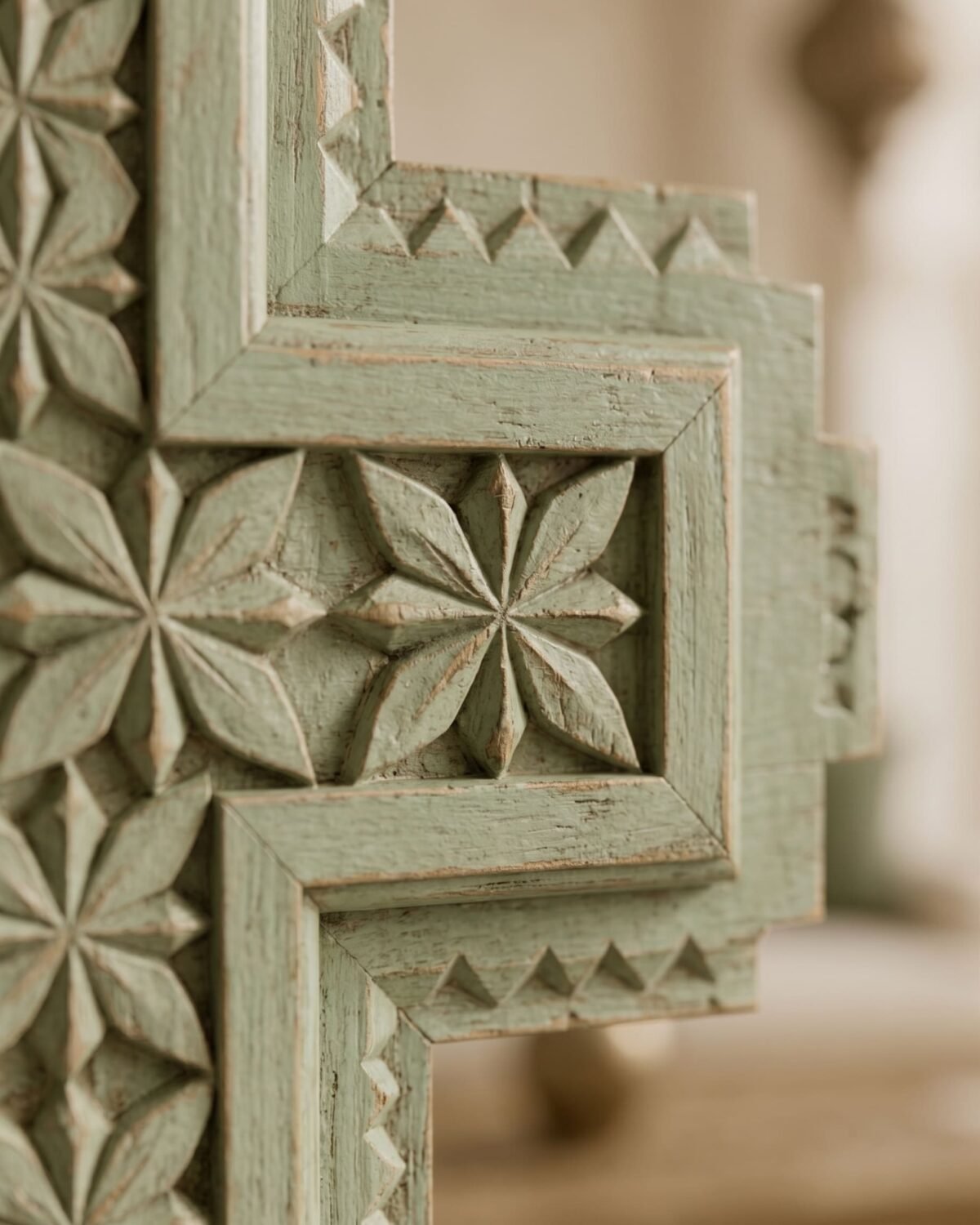
Geometry is the language of Moroccan design, reflecting the Islamic principles of infinite beauty. You will often see complex star patterns known as zellij reflected in the carved panels of the wood. These patterns are not merely decorative; they signify a mathematical precision that has defined Fes architecture since the Middle Ages.
Hand-Hammered Metal Accents
Brass and copper details add a layer of texture that contrasts beautifully with the warm cedar. Artisans hand-hammer these metals to create floral motifs or calligraphic inscriptions that frame the door. The weight of this hardware ensures that each door feels substantial and intentional, grounding the room it anchors.
Styling Moroccan Doors in Modern Homes
Integrating such a bold piece into a modern environment requires a minimalist approach to the surrounding decor. Because the door is a work of art, it deserves to stand out without competing with loud wallpapers or cluttered furniture. Allow the natural wood grain and intricate carvings to dictate the mood of the entryway.
For those looking for a cohesive look, pairing your Moroccan doors with matching mirrors is an effective design strategy. Companies like ALQASR specialize in hand-crafted Moroccan doors and mirrors that share the same design language, such as recurring geometric carvings. This creates a rhythmic visual flow throughout the hallway or living area.
The History and Preservation of the Craft
The city of Fes remains the spiritual and intellectual heart of Moroccan artisanal work. Unlike mass-produced furniture, these doors are made individually, with the artisan often spending weeks on a single panel. This slowness is a protest against the ephemeral nature of modern manufacturing.
By choosing an authentic piece, you are supporting a lineage of craftsmen whose skills are slowly vanishing in favor of industrial alternatives. True Moroccan doors are an investment in history, built to age with grace rather than lose value. With proper care, they remain structurally sound and aesthetically relevant for generations.
Frequently Asked Questions
How should I maintain my hand-carved cedar door?
Keep your cedarwood hydrated by applying a light, natural furniture wax or non-toxic oil once or twice a year. Avoid placing the door in direct, harsh sunlight for extended periods to prevent the wood from drying out or shifting.
Can these doors be used as interior features?
Absolutely. While traditionally used for grand entrances, Moroccan doors are increasingly used as dramatic sliding doors for walk-in closets, home offices, or as decorative wall paneling. They act as a sophisticated transition point between different living spaces.
Explore Our Handmade Moroccan Doors & Mirrors
Further reading: the history of Fez on Wikipedia.
Explore the atelier: discover our handmade Moroccan doors, including Fes Mashrabiya and Nacre Marquetry. Read also our guide to authentic Moroccan doors.