The Architectural Legacy of Moucharabieh
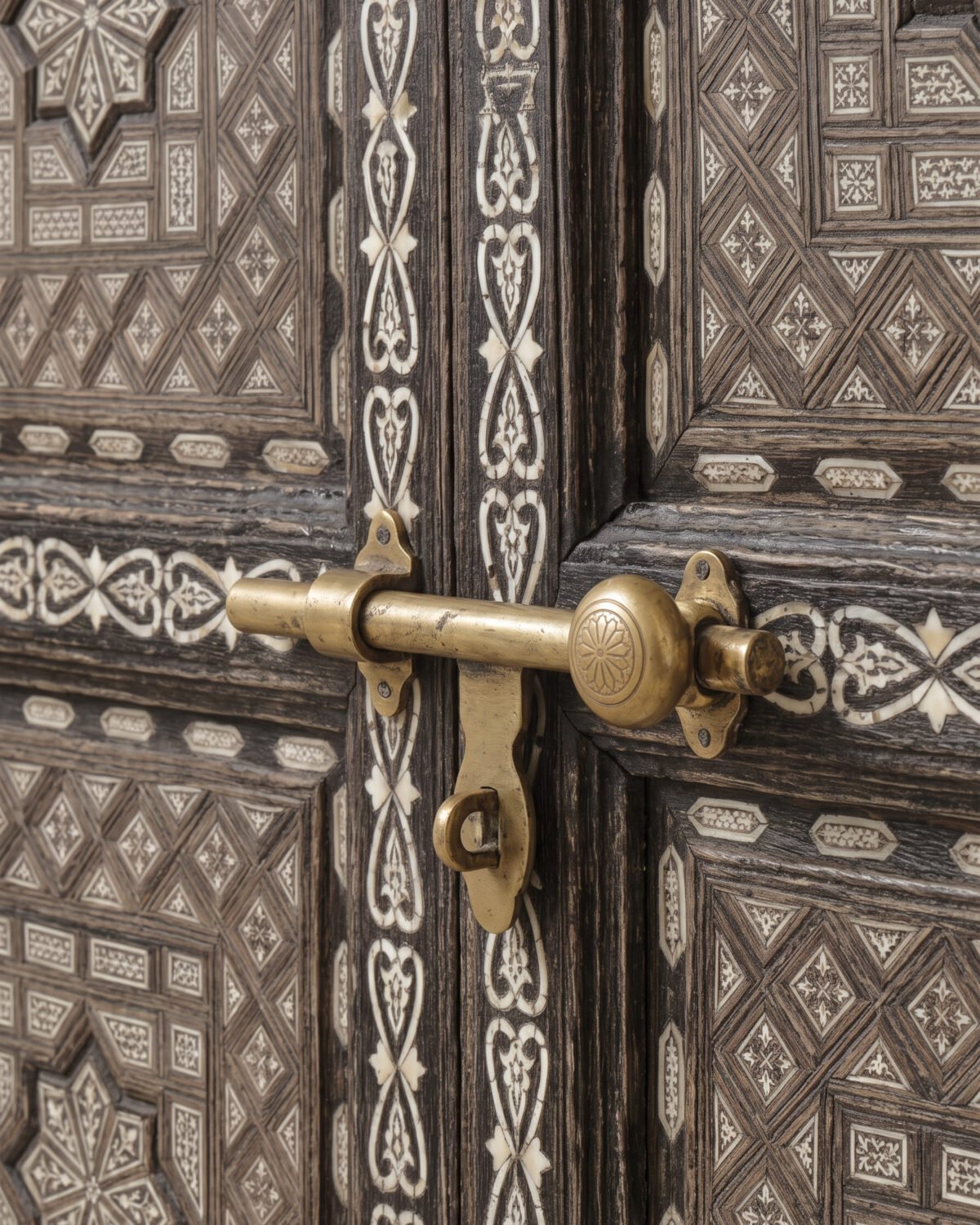
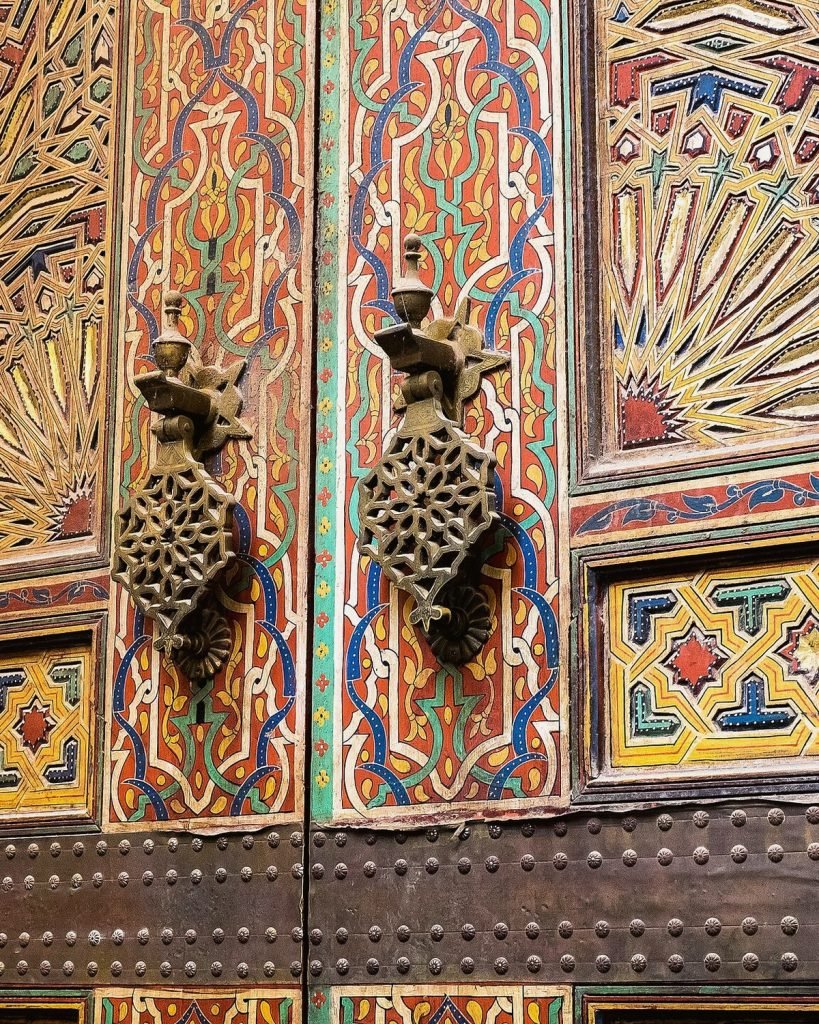
Moucharabieh, or mashrabiya, represents one of the most iconic elements of Islamic architecture. Historically used to provide privacy and cooling airflow, these wooden lattices transformed functional windows into intricate works of art. Much like the craftsmanship found in historic Moroccan doors, these screens are defined by complex geometric joinery.
Originating from the need to observe the street without being seen, the design relies on turned wood elements assembled without nails. Today, these patterns bridge the gap between ancient heritage and modern interior design. Integrating these screens alongside authentic Moroccan doors creates a cohesive, culturally rich living space.
Styling Moucharabieh with Moroccan Doors
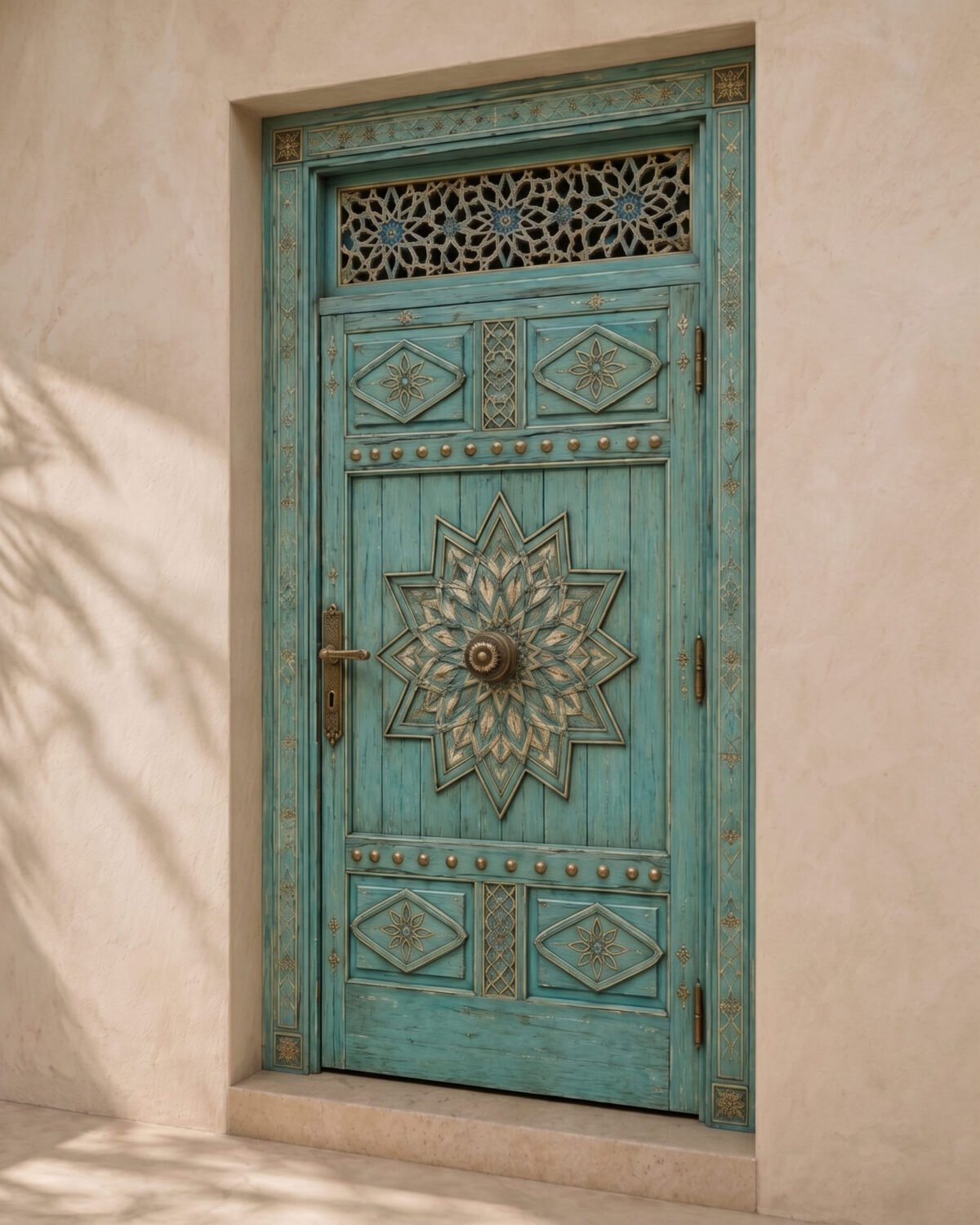
Pairing Moucharabieh screens with traditional Moroccan doors is an exercise in balancing light and shadow. The rhythmic, repetitive patterns of the screen soften the solid, majestic presence of carved cedarwood doors. This combination works exceptionally well in transitional spaces like hallways or open-plan living rooms.
Defining Focal Points
Use a freestanding Moucharabieh panel as a room divider to create a sense of mystery. Position it so that it draws the eye toward your primary Moroccan doors, allowing light to filter through the lattice and create dancing shadows on the floor. This adds a layer of depth that minimalist design often lacks.
Creating Unified Aesthetics
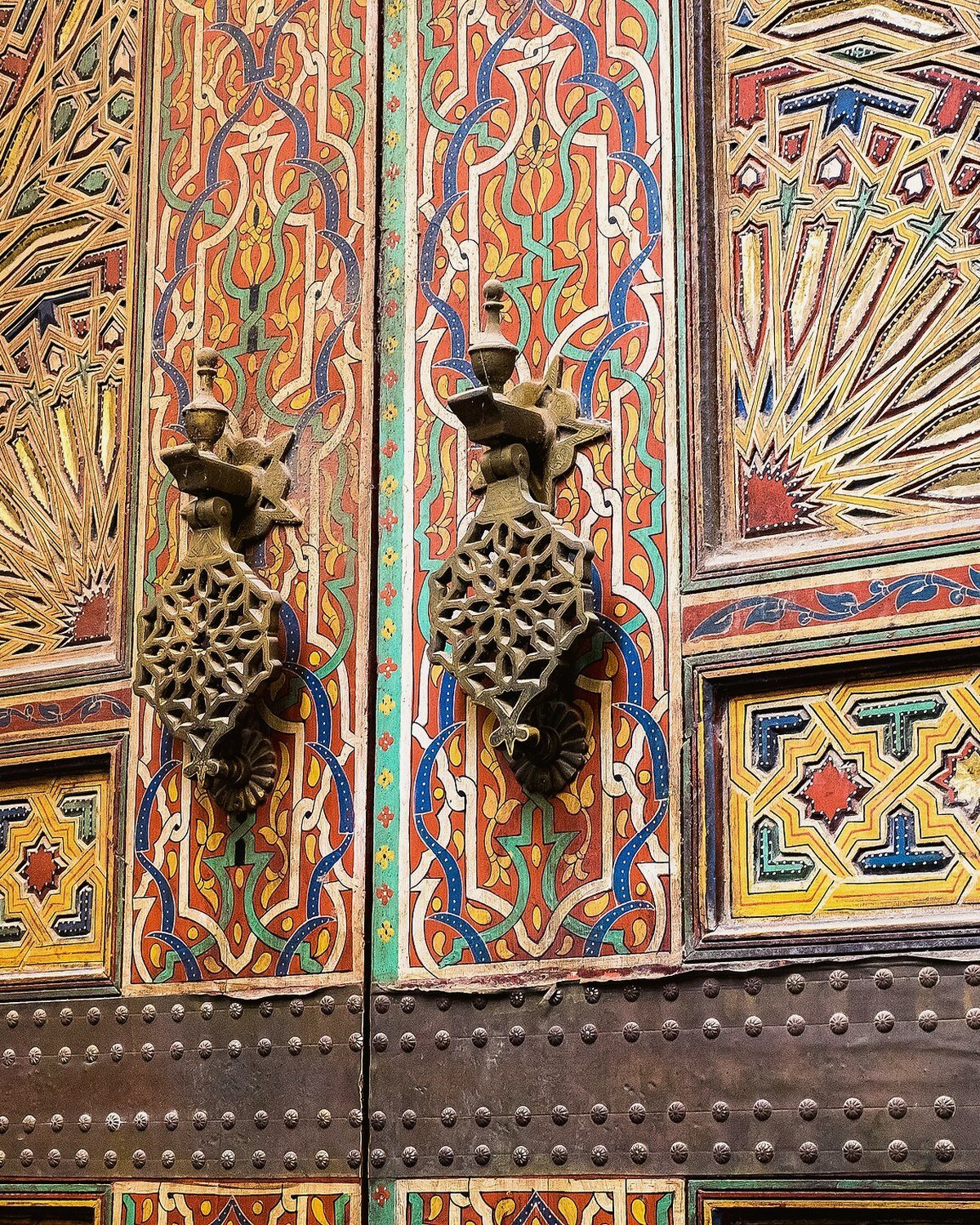
When selecting your pieces, consider the wood finish and carving style. Authentic Moroccan doors from Fes often feature deep, dark cedar hues and intricate geometric motifs. Matching the wood species of your screen to the frame of your door ensures a seamless transition between architectural elements.
Craftsmanship and Materials
True Moucharabieh requires the steady hands of master artisans. Using traditional techniques, wood is turned on a lathe and pieced together in a process that demands immense precision. The quality of the finished product depends entirely on the expertise of the craftsman.
Maison ALQASR honors these traditions by working directly with artisans in Fes and Marrakech. By focusing on hand-carved cedar and high-quality joinery, they produce Moroccan doors and decor that last for generations. Understanding the labor involved makes every piece a conversation starter in your home.
Modern Applications for Your Home
You don’t need a riad to appreciate the beauty of Moroccan design. Moucharabieh can be used as decorative wall art, cabinet inserts, or even as custom headboards. These elements introduce a tactile warmth that is essential for softening contemporary, sterile environments.
When using these pieces to frame a doorway, ensure the scale is appropriate for your ceiling height. A well-placed screen can make a room feel taller or more intimate, depending on the density of the pattern. It is this versatility that makes the pairing of screens and Moroccan doors a favorite for interior designers worldwide.
Frequently Asked Questions
What wood is traditionally used for Moucharabieh?
Cedar is the preferred material due to its durability, aromatic properties, and ability to hold intricate carvings over time without warping.
Can Moucharabieh screens be used for privacy?
Yes, the geometric lattice design is specifically engineered to obscure views from the outside while still allowing natural light and air to pass through.
Explore Our Handmade Moroccan Doors & Mirrors
Further reading: the history of Fez on Wikipedia.
Explore the atelier: discover our handmade Moroccan doors, including Fes Mashrabiya and Riad Blanche.