The Timeless Elegance of Moroccan Doors and Zellige
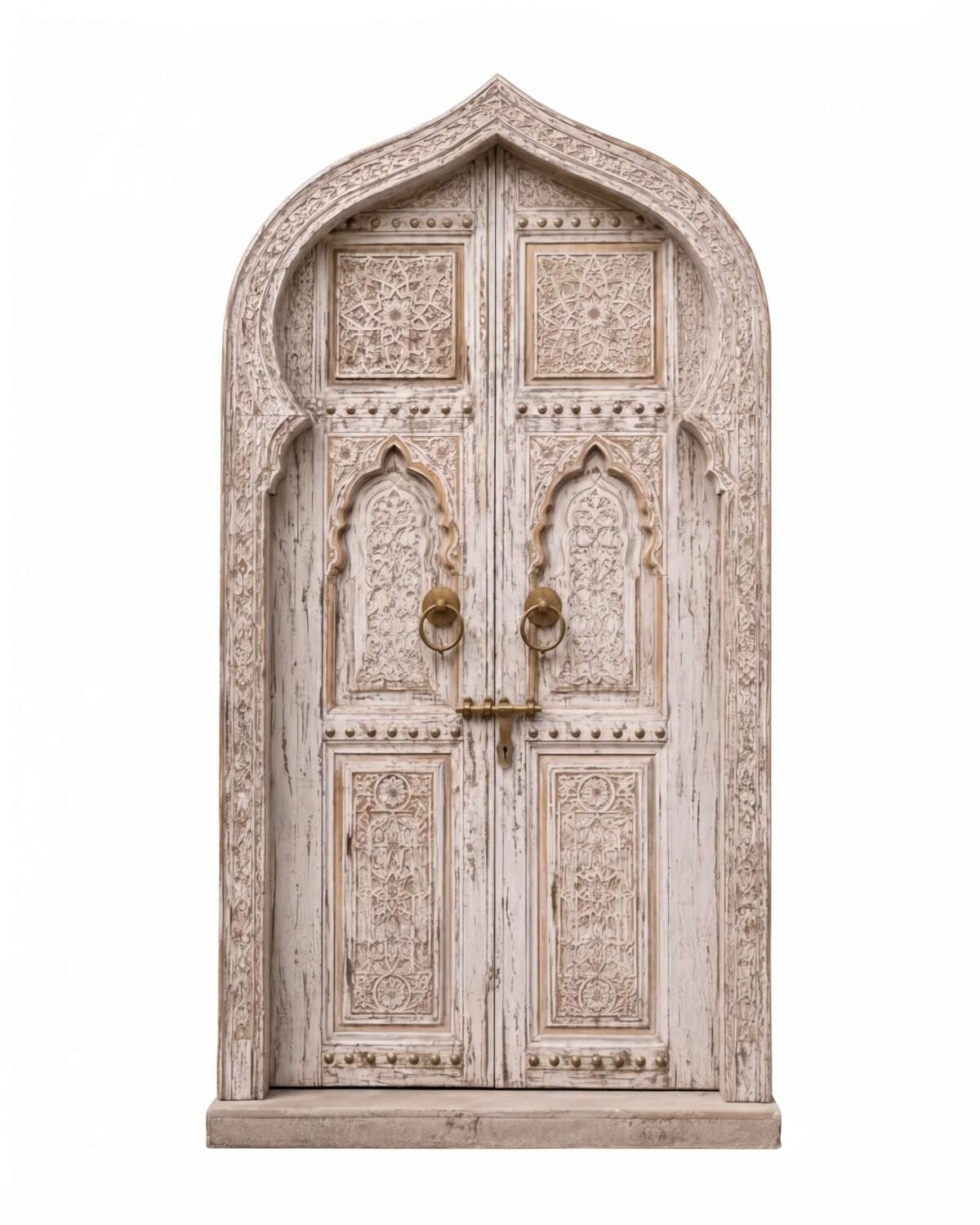
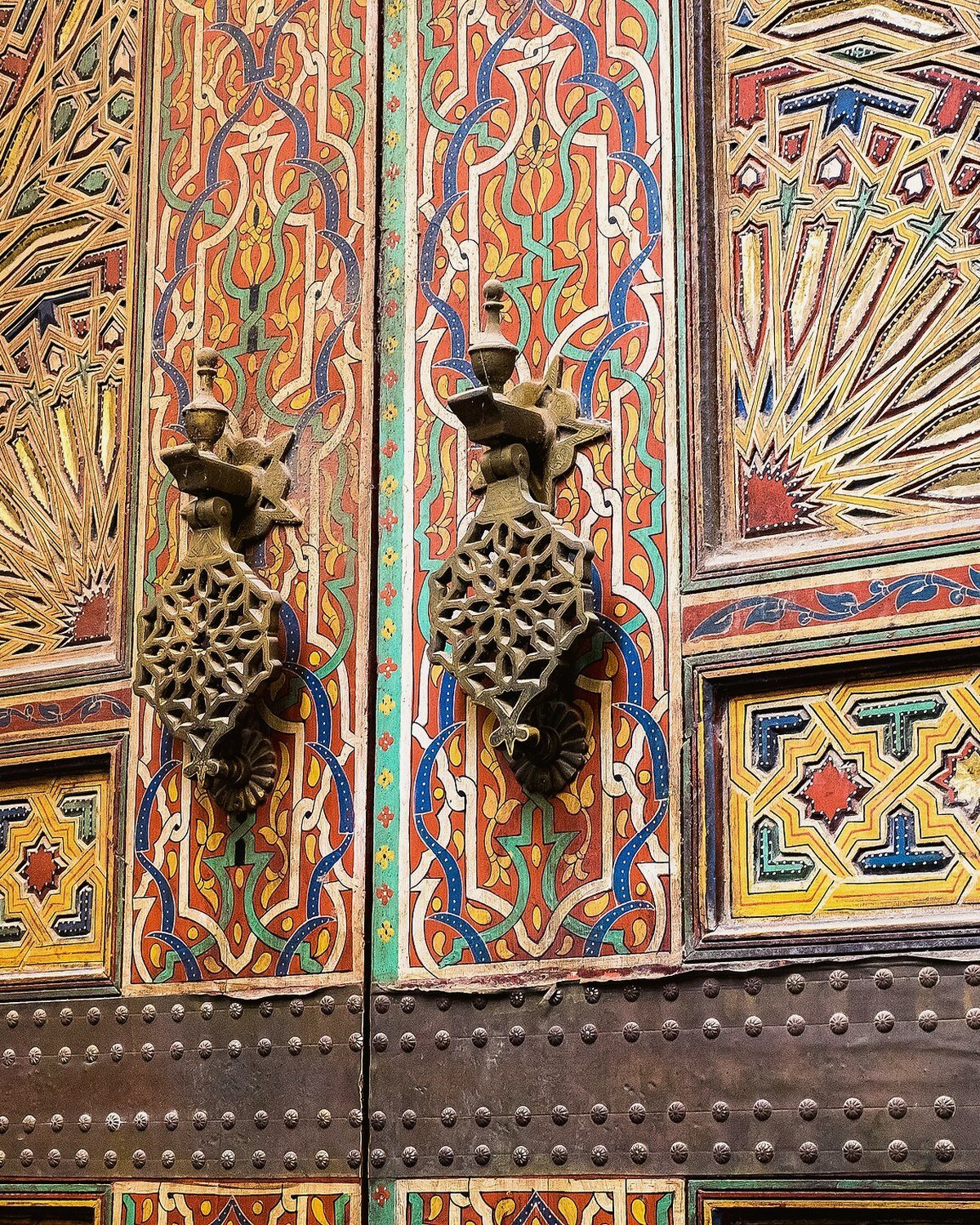
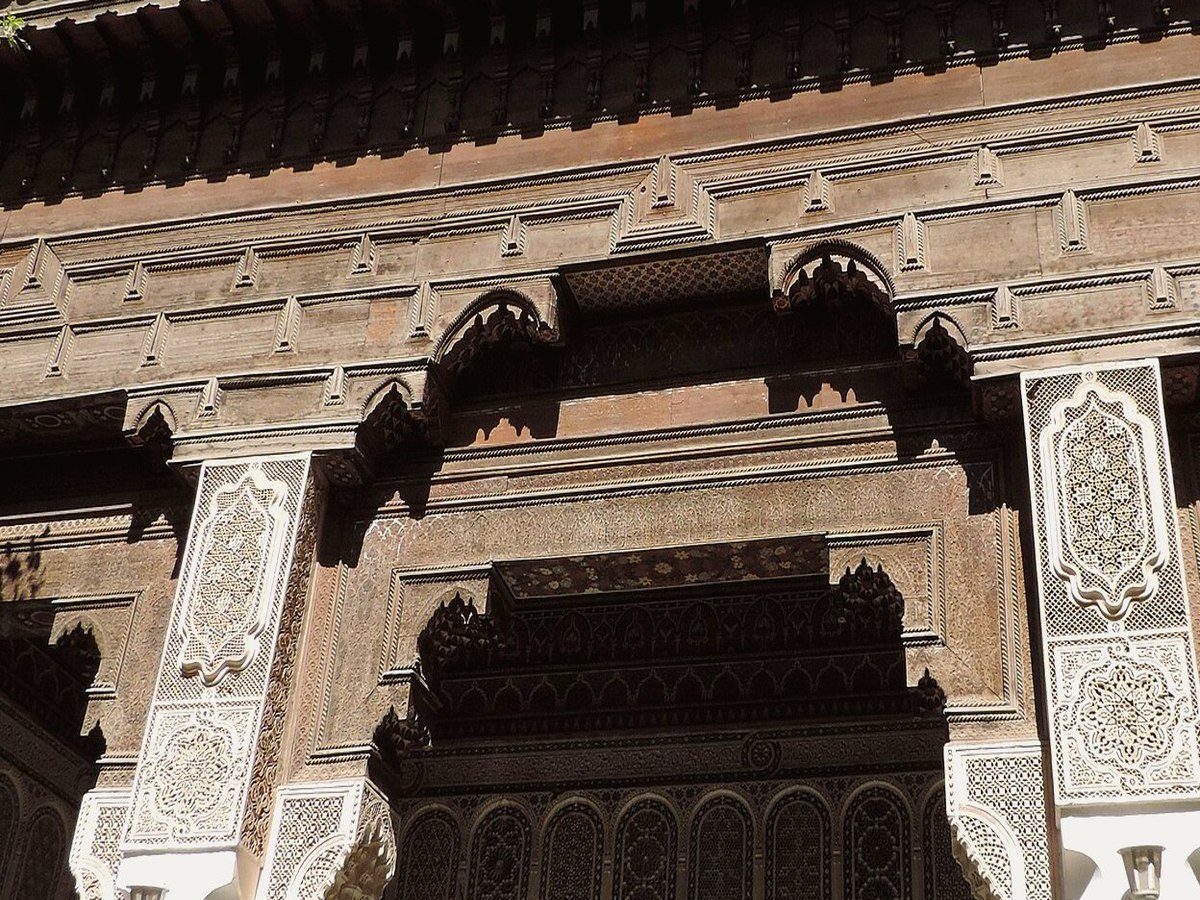
Stepping into a home defined by Moroccan design feels like entering a sanctuary where history meets artistry. At the heart of this aesthetic are Moroccan doors, which serve as the grand transition between the outside world and the private interior realm. When these hand-carved cedar masterpieces are paired with the intricate geometry of Zellige tilework, the result is a space that feels deeply rooted in tradition.
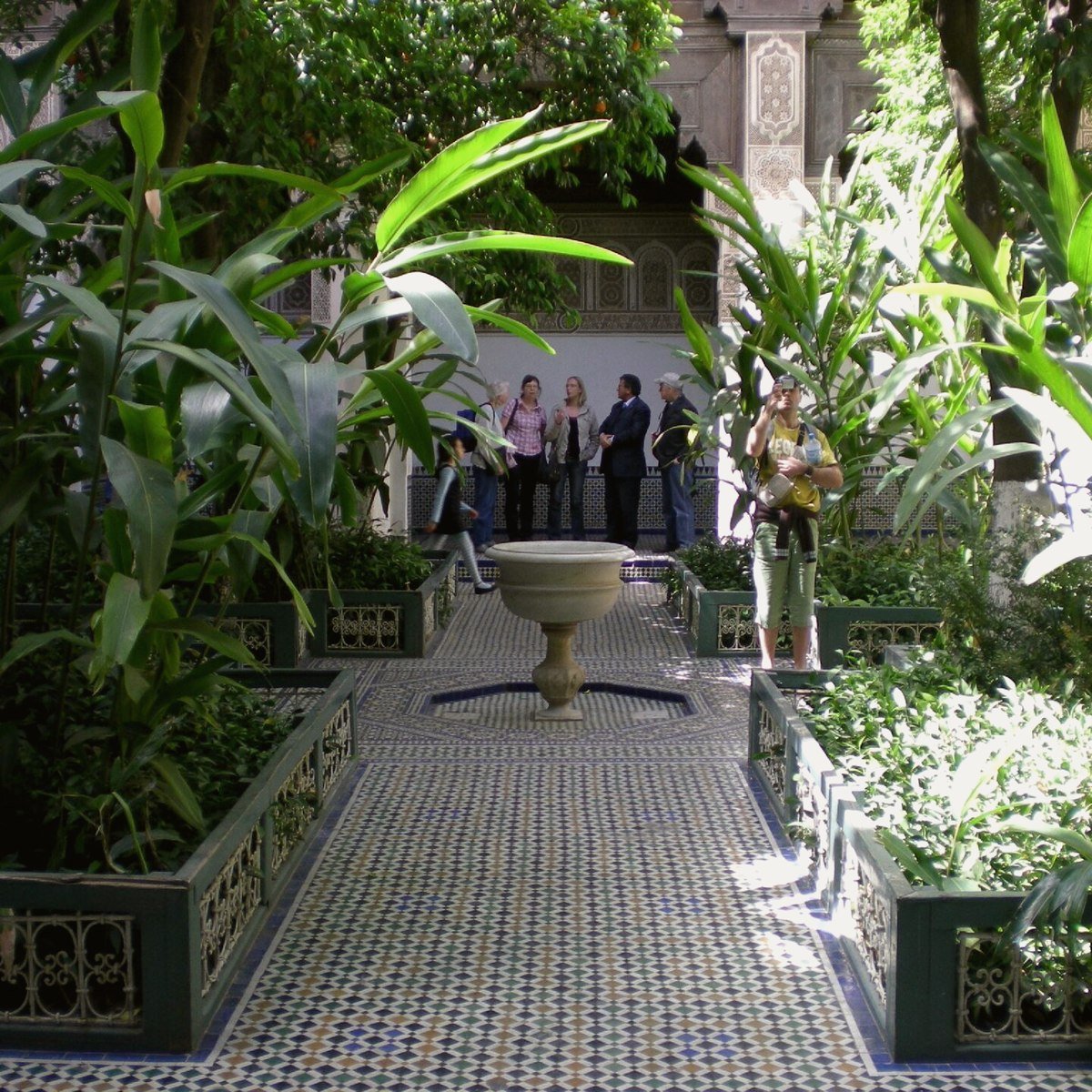
Understanding the interplay between these two elements is essential for anyone looking to bring the spirit of Fes and Marrakech into their residence. While Moroccan doors provide the structural focal point, Zellige acts as the rhythmic visual texture that grounds the entire room. Together, they create a dialogue between the tactile warmth of wood and the cool, reflective precision of kiln-fired clay.
The Craft of Zellige: Clay and Color
From Earth to Art
Zellige is far more than a simple wall covering; it is a labor-intensive craft involving non-tempered clay sourced from the region around Fes. Artisans hand-mold the clay, let it dry naturally, and then fire it in kilns fueled by olive pits to achieve distinct, organic color variations. Each tile is then hand-cut using a sharp, heavy hammer known as a mankach.
Defining the Geometry
The beauty of Zellige lies in its imperfection, which is a hallmark of human craftsmanship. Because each piece is hand-chiseled, no two tiles are perfectly identical, resulting in a mosaic surface that dances with light. This level of dedication mirrors the creation process behind the authentic Moroccan doors crafted by studios like ALQASR, where every chisel stroke on cedarwood tells a story of heritage.
Styling Your Entrance and Interiors
Creating Cohesive Transitions
When integrating Zellige into your foyer, consider the entryway as a singular design story. A set of arched Moroccan doors acts as the perfect frame for a Zellige-tiled floor or a wainscoting accent. The goal is to let the wood grain complement the earthy, glazed tones of the tiles without overwhelming the senses.
Balancing Wood and Ceramic
If you are working with a carved cedar door, choose Zellige colors that highlight the natural depth of the wood. Deep greens, ochres, and cobalt blues are traditional choices that harmonize beautifully with the dark, rich hues of aged cedar. ALQASR often highlights this balance, ensuring their mirrors and doors provide a sophisticated contrast to the mosaic backdrop of a well-designed Moroccan room.
Preserving the Legacy
The Artisan’s Touch
Moroccan design is inherently slow design. Whether it is the slow seasoning of cedarwood or the patient assembly of thousands of individual tile shards, the process refuses to be rushed. By choosing handmade elements, you are supporting a lineage of master craftsmen whose techniques have been passed down through generations in the medinas of Morocco.
Modern Longevity
To keep your design looking pristine, prioritize quality materials that age gracefully. Authentic wood, when cared for with natural oils, will develop a patina that only improves with time, much like high-quality Zellige tiles. Incorporating these elements into your home is an investment in both architectural character and historical preservation.
Frequently Asked Questions
How do I choose the right color palette for Zellige?
Start by identifying the dominant wood tones in your space. If your Moroccan doors are dark and heavily carved, opt for softer, neutral Zellige tones to create a balance; if the space is bright, vibrant geometric patterns in deep blues or greens create a stunning, authentic focal point.
Is Zellige tilework difficult to maintain?
Zellige is surprisingly durable and requires minimal maintenance. Simply wipe with a soft cloth and a gentle, pH-neutral cleaner to protect the glaze and preserve the natural, non-uniform finish that defines this ancient craft.
Explore Our Handmade Moroccan Doors & Mirrors
Further reading: Moroccan architecture on Wikipedia.
Explore the atelier: discover our handmade Moroccan doors, including Zellige Turquoise and Fes Mashrabiya.