The Timeless Elegance of Moucharabieh and Moroccan Mirrors
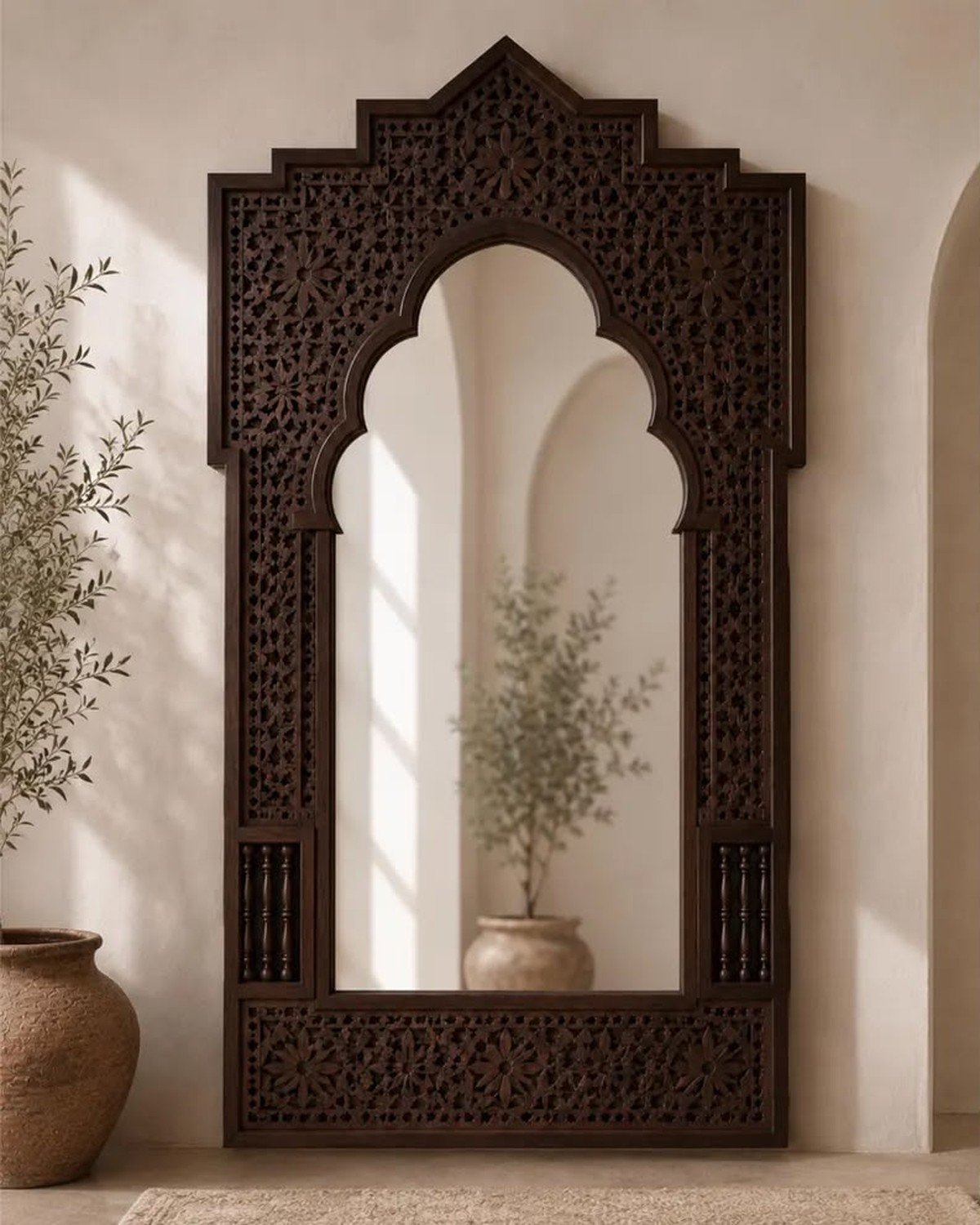
When curating a space that balances mystery with light, few elements are as effective as the Moucharabieh screen. Often paired with handcrafted Moroccan mirrors, these wooden lattices transform how light enters a room. The interplay between the geometric shadows of a screen and the reflective depth of authentic Moroccan mirrors creates a signature Mediterranean aesthetic.
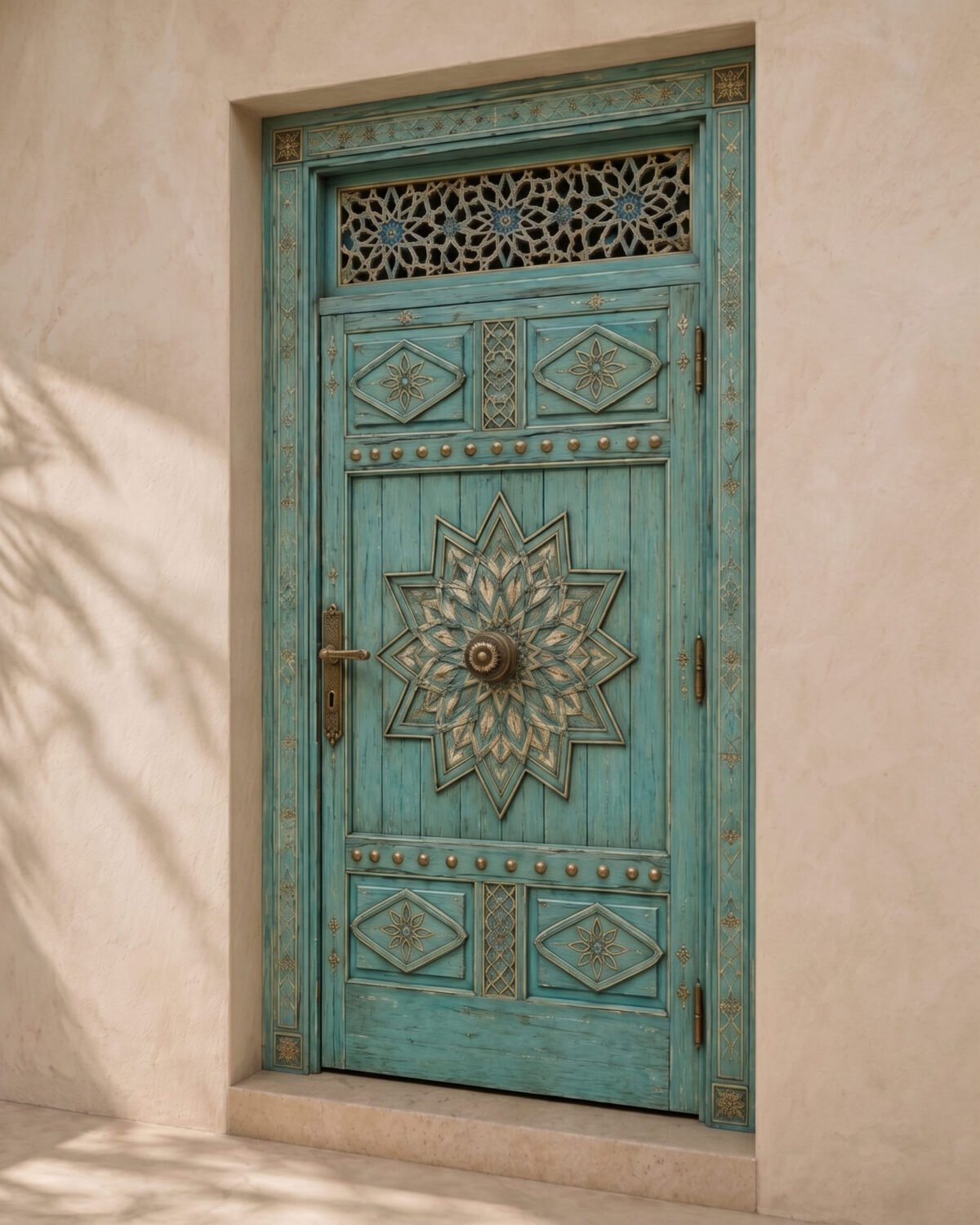
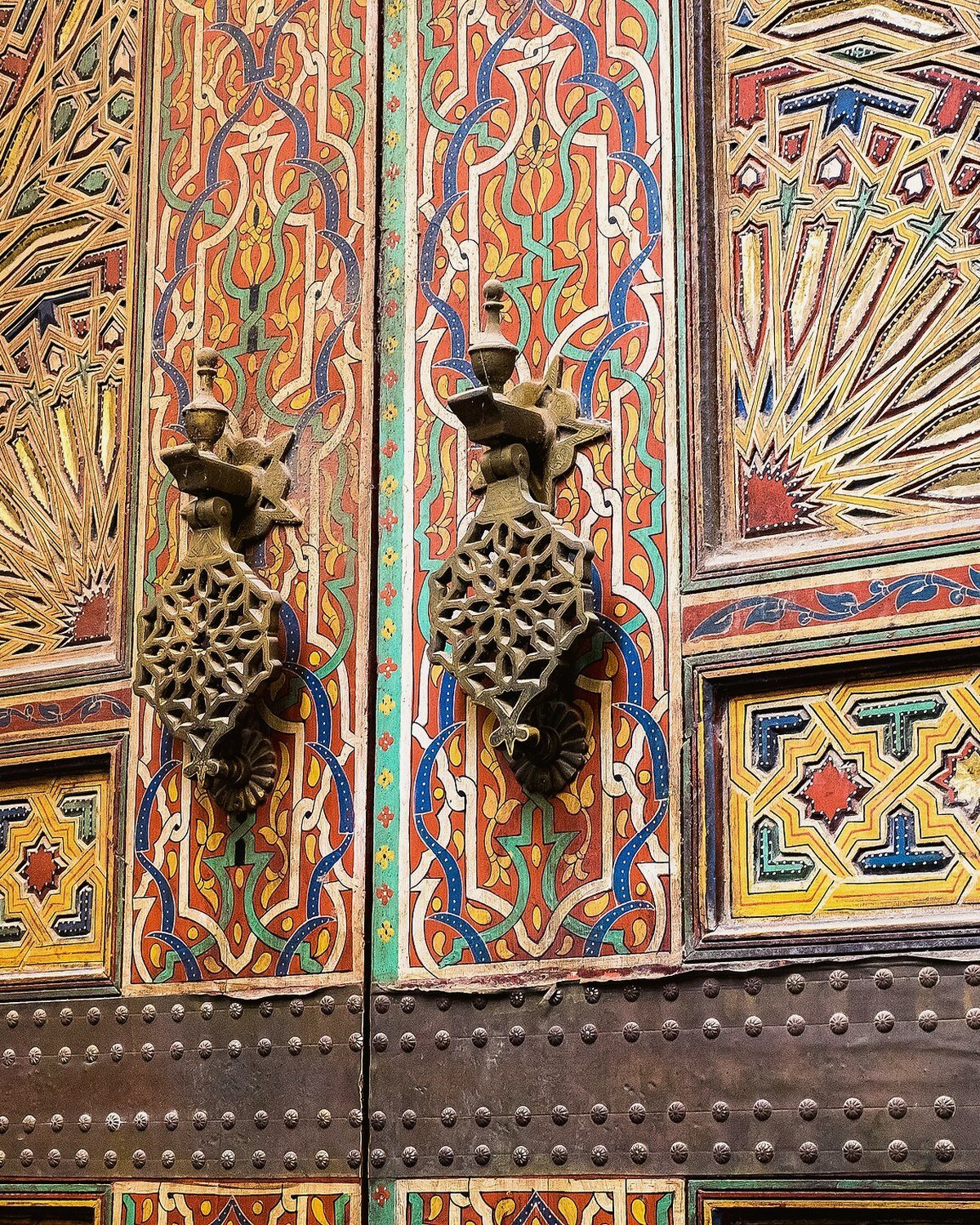
Originating from the traditional architecture of Fes and Marrakech, these screens serve both functional and decorative purposes. They offer privacy while allowing air to circulate, a necessity in the warm North African climate. Today, they are prized for their intricate joinery, often reflecting the same level of mastery as the artisans at ALQASR who craft bespoke Moroccan doors and mirrors.
Understanding the Craft of Moucharabieh
Moucharabieh is a complex latticework technique characterized by interlocking wooden pieces. Unlike simple carved panels, these screens are assembled without nails or glue, relying entirely on sophisticated joinery.
Materials and Techniques
Artisans typically use cedarwood for these screens due to its durability and aromatic properties. The wood is hand-cut into hundreds of small geometric parts, such as stars or octagons, which are then slotted together. This geometric precision is essential, as even a tiny deviation can compromise the structural integrity of the entire panel.
Historical Significance
Historically, Moucharabieh served as the ‘eyes’ of the house. It allowed inhabitants to observe the street outside without being seen, fostering a sense of secluded tranquility. This historical context adds a layer of depth when you display a screen alongside Moroccan mirrors, as both objects tell a story of light, shadow, and observation.
Styling Your Home with Moroccan Accents
Integrating Moroccan design elements requires a sense of balance. A screen can act as a room divider, while strategically placed Moroccan mirrors can visually expand smaller spaces.
- Use Moucharabieh screens to create a cozy reading nook or a private meditation space.
- Place a brass-framed mirror opposite a window to amplify natural light, complementing the patterned shadows cast by the screen.
- Layer textures by mixing cedarwood screens with zellige tile accents or hand-forged brass details.
When selecting pieces, focus on authenticity. Hand-carved items possess a soul that mass-produced replicas lack. Whether you are looking for a screen to soften a modern interior or searching for the perfect artisan-made mirror to anchor a hallway, prioritize traditional craftsmanship.
Frequently Asked Questions
How do I care for my cedarwood Moucharabieh screen?
Cedarwood is naturally resilient, but it benefits from light dusting with a soft, dry cloth. Avoid using harsh chemical polishes that can clog the intricate joinery or damage the natural finish.
Can I combine Moucharabieh with modern furniture?
Absolutely. The clean lines of the geometric patterns actually complement minimalist or mid-century modern furniture quite well. Using a traditional screen as an accent piece adds warmth and a focal point to otherwise neutral rooms.
What is the difference between a carved panel and Moucharabieh?
While both are beautiful, a carved panel is a solid piece of wood with designs etched into the surface. Moucharabieh is an assembly of individual pieces designed to filter light and air, creating an open, lattice-like structure that is airy and dynamic.
Are these doors difficult to install?
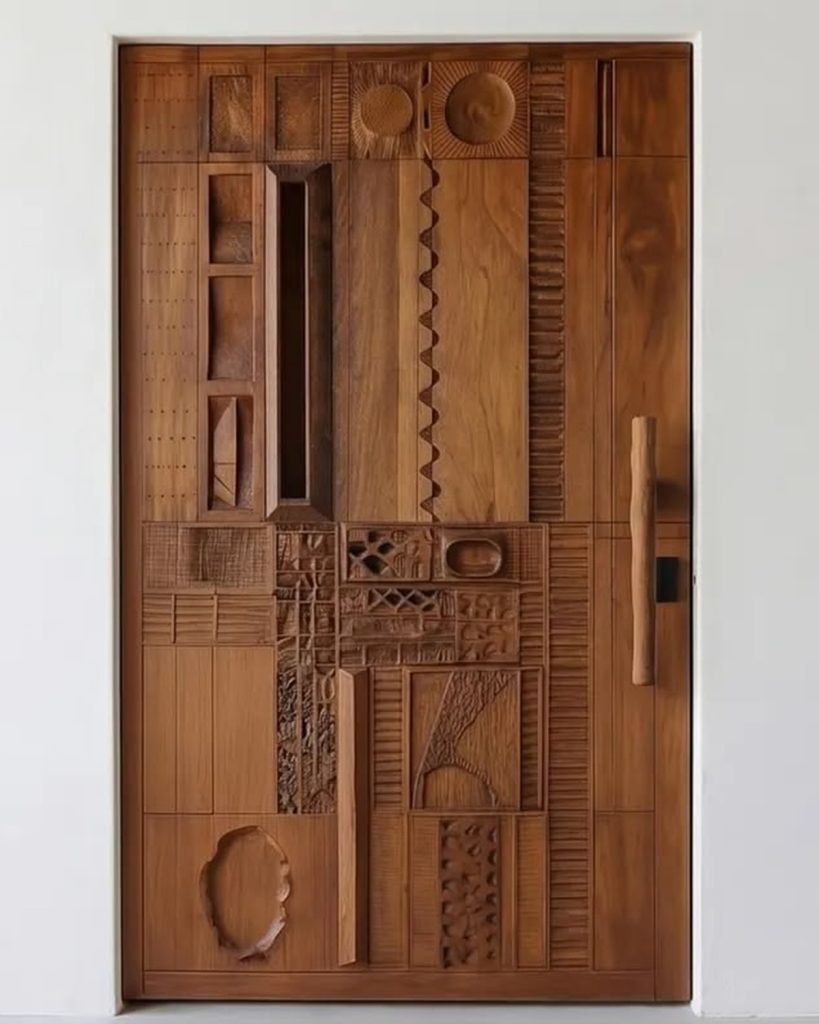
Authentic doors often feature traditional dimensions and hinges. While they can be installed by experienced carpenters, it is recommended to have your installer measure the frame precisely, as handmade items may have slight variations compared to mass-produced alternatives.
How should I maintain my cedarwood doors?
Clean your doors with a soft, dry cloth to remove dust. If the wood appears dry, you can occasionally apply a small amount of cedar or natural wax to nourish the grain and maintain its lustrous finish.
Explore Our Handmade Moroccan Doors & Mirrors
Further reading: Moroccan architecture on Wikipedia.
Explore the atelier: discover our Moroccan mirrors, including Mihrab Shutters and Fes Lattice.