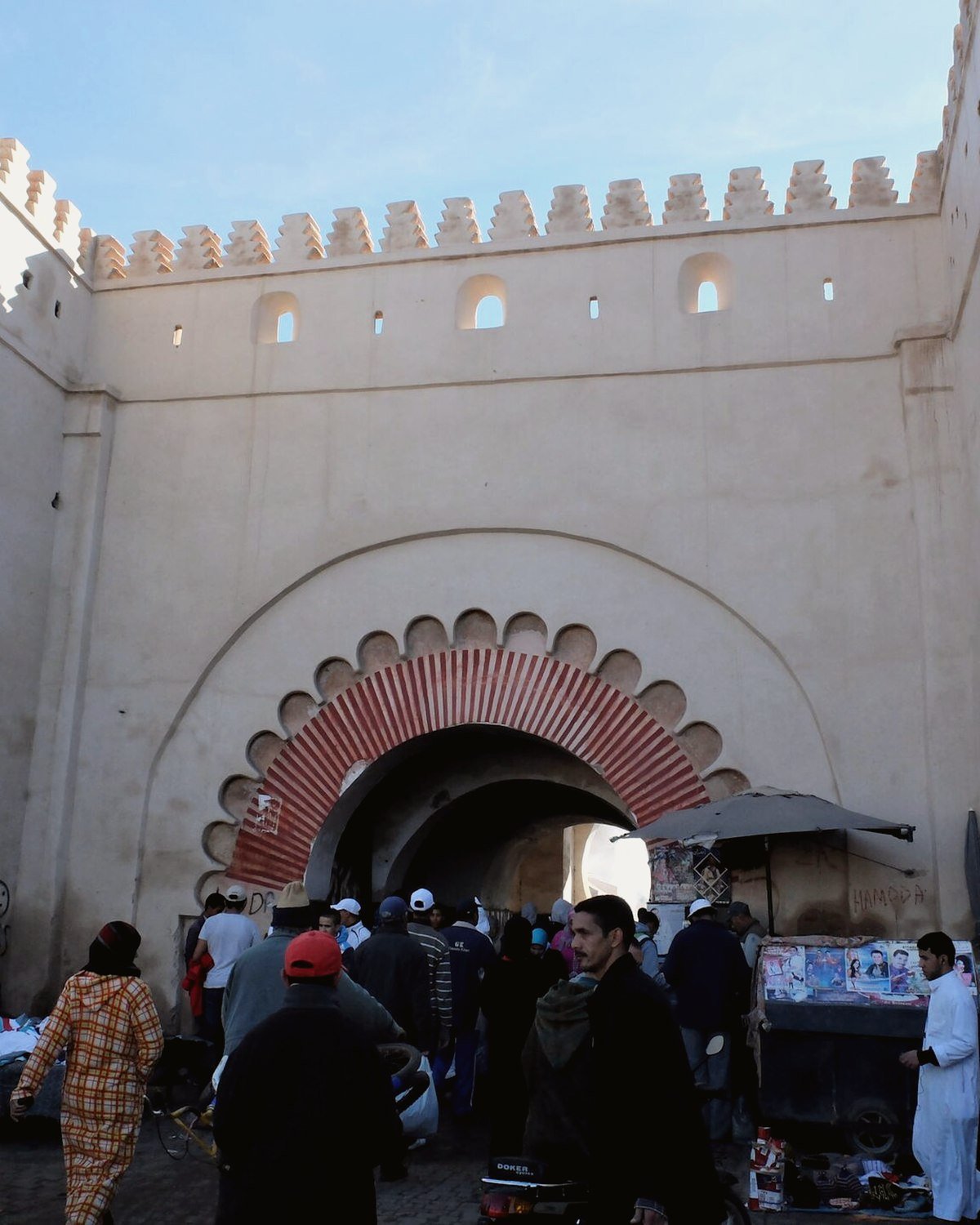
When exploring the aesthetic depth of North African architecture, few elements define a space as profoundly as Moroccan interior doors. These structures are not merely functional barriers but are celebrated as portals of artistic expression, echoing the sophisticated techniques perfected over centuries in the imperial city of Marrakech.
Understanding the history of Marrakech craftsmanship allows homeowners to appreciate the labor-intensive process behind every piece. From the intricate wood carving to the precise placement of brass studs, these items carry the soul of the artisan, transforming a simple entryway into a focal point of cultural heritage.
The Legacy of Marrakech Woodworking
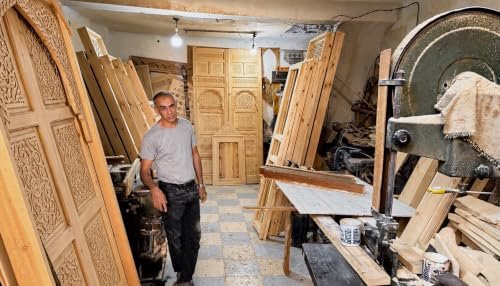
Marrakech is widely considered the spiritual and artisanal heart of Morocco. For generations, master woodworkers—known as maâlems—have refined the art of shaping cedarwood into geometric masterpieces.
The traditional construction of Moroccan interior doors relies on the robust properties of Atlas cedar. This wood is prized for its longevity, resistance to the arid Moroccan climate, and its ability to hold exceptionally fine detail when chiseled by hand.
Techniques of the Maâlems
The hallmark of Marrakech woodwork is the technique of naqsh, or deep relief carving. Artisans use hand tools to create interlocking geometric patterns that represent the infinite nature of divine geometry.
Beyond carving, many doors incorporate intricate moucharabieh latticework. This allows for light and air to filter through, creating a dynamic play of shadows that changes throughout the day.
Incorporating Moroccan Doors into Modern Homes
Choosing the right Moroccan interior doors for your residence involves balancing historical authenticity with contemporary spatial needs. The goal is to integrate these pieces so they complement, rather than overwhelm, your existing interior design.
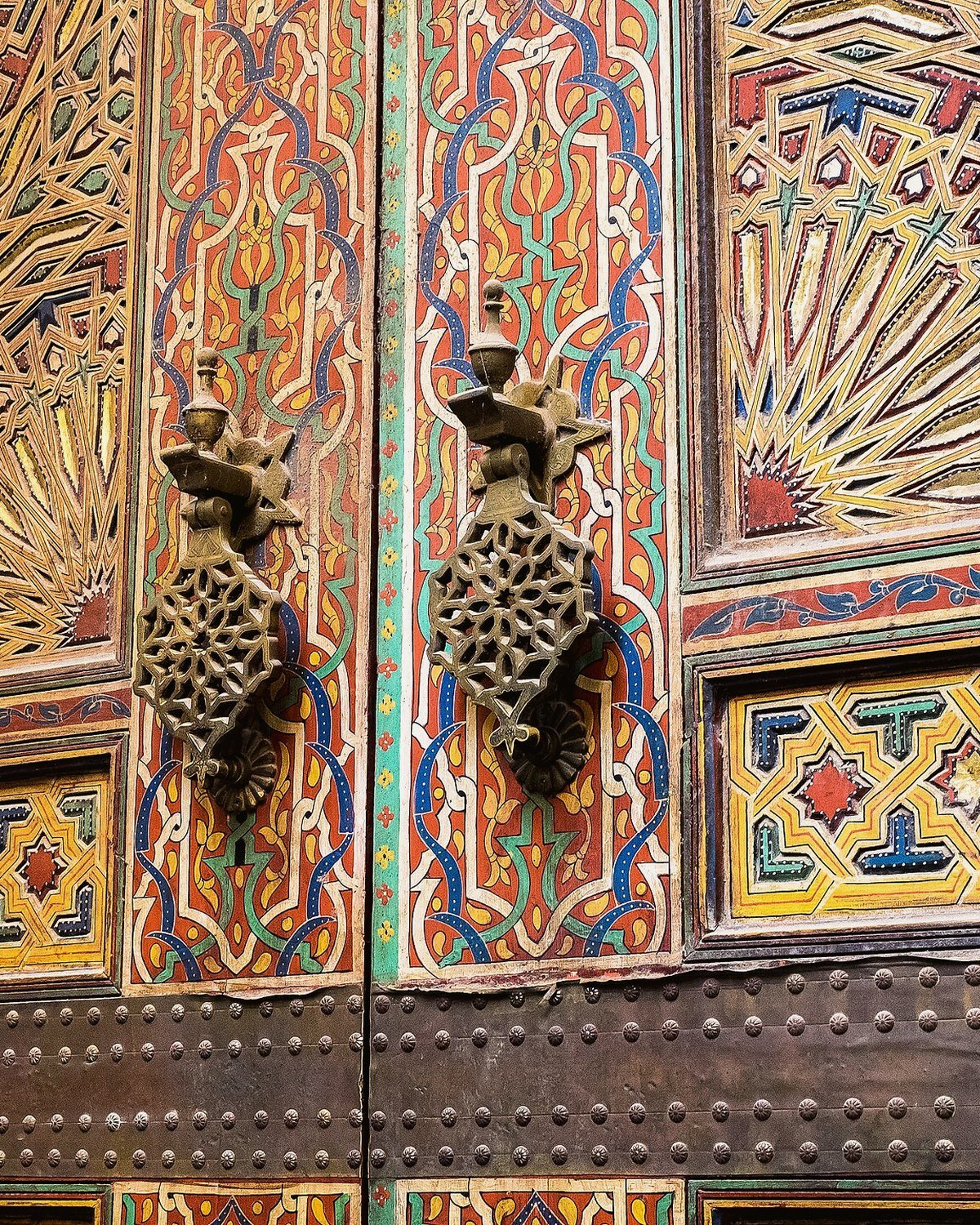
For those looking to anchor a room, a door featuring brass accents works beautifully against neutral walls. The warmth of the metal contrasts with the deep, rich tones of cedar, creating a balanced aesthetic that feels both worldly and curated.
Styling and Placement
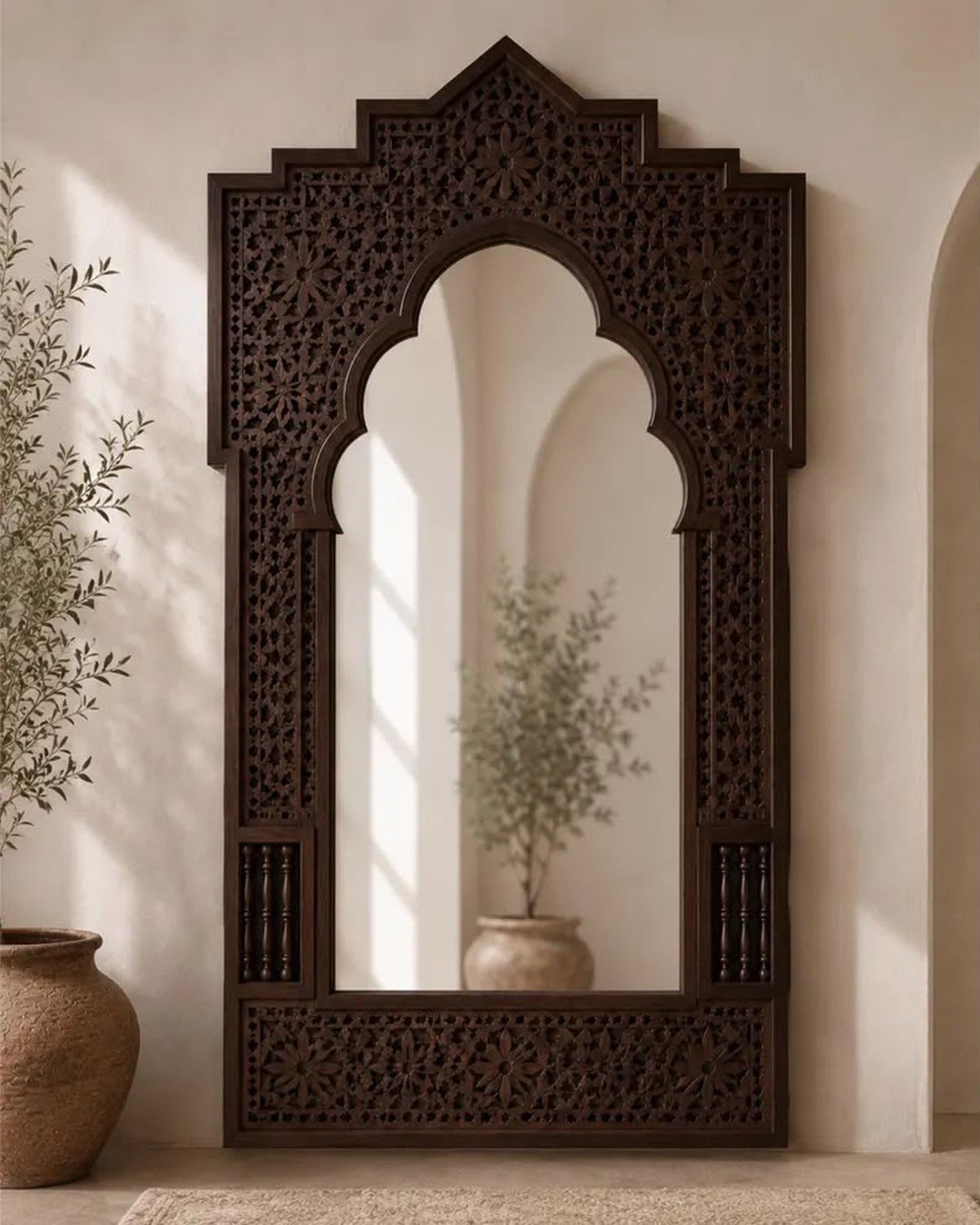
Consider using these doors as statement pieces in transitions, such as the entrance to a library or a formal dining room. When paired with complementary decor, like handcrafted Moroccan mirrors from ateliers such as ALQASR, the architectural cohesion of your home is significantly elevated.
It is important to remember that handmade pieces require space to be fully appreciated. Ensure that the surrounding architecture allows the intricate carvings to catch the light, which is essential for highlighting the depth of the wood grain.
Materials and Finishing Touches
The authenticity of a door is often found in its finishes. Traditional Moroccan craftsmanship eschews mass-produced hardware in favor of hand-forged brass, copper, or iron elements.
Brass studs, or clous, are often hammered into the wood in rhythmic patterns. These serve both a structural purpose, reinforcing the planks, and a decorative one, adding a touch of metallic brilliance to the organic wood surface.
The Role of Zellige Accents
In some of the most elaborate Marrakech-style commissions, wood is paired with zellige—hand-cut terracotta tiles. When these tiles are inset into the frame of a door, they introduce vibrant color and texture that ground the piece in its regional identity.
ALQASR focuses on preserving these ancient collaborations between woodworkers and tile artisans. By respecting the original methods, they ensure that every door remains a testament to the enduring beauty of Moroccan design.
Frequently Asked Questions
How should I maintain my handmade cedarwood doors?
Cedar is highly durable and requires minimal maintenance. Simply dust the surface with a soft, dry cloth and occasionally apply a natural beeswax polish to keep the wood hydrated and protect its natural luster.
Are Moroccan interior doors suitable for all interior design styles?
Yes, their versatility is one of their greatest strengths. They act as sophisticated ‘global eclectic’ statements, fitting seamlessly into minimalist, bohemian, or maximalist spaces by acting as a strong, handcrafted contrast to modern furniture.
Final Thoughts on Moroccan Interior Doors
Well-chosen Moroccan interior doors turn simple transitions between rooms into moments of craft. Favour solid cedar, carving scaled to the room and finishes that age gracefully, and let Marrakech traditions guide proportion and detail. Moroccan interior doors work as beautifully in a modern apartment as in a riad, and our artisans are happy to help you size and design Moroccan interior doors for your own home.
Explore Our Handmade Moroccan Doors & Mirrors

Further reading: the history of Marrakesh on Wikipedia.