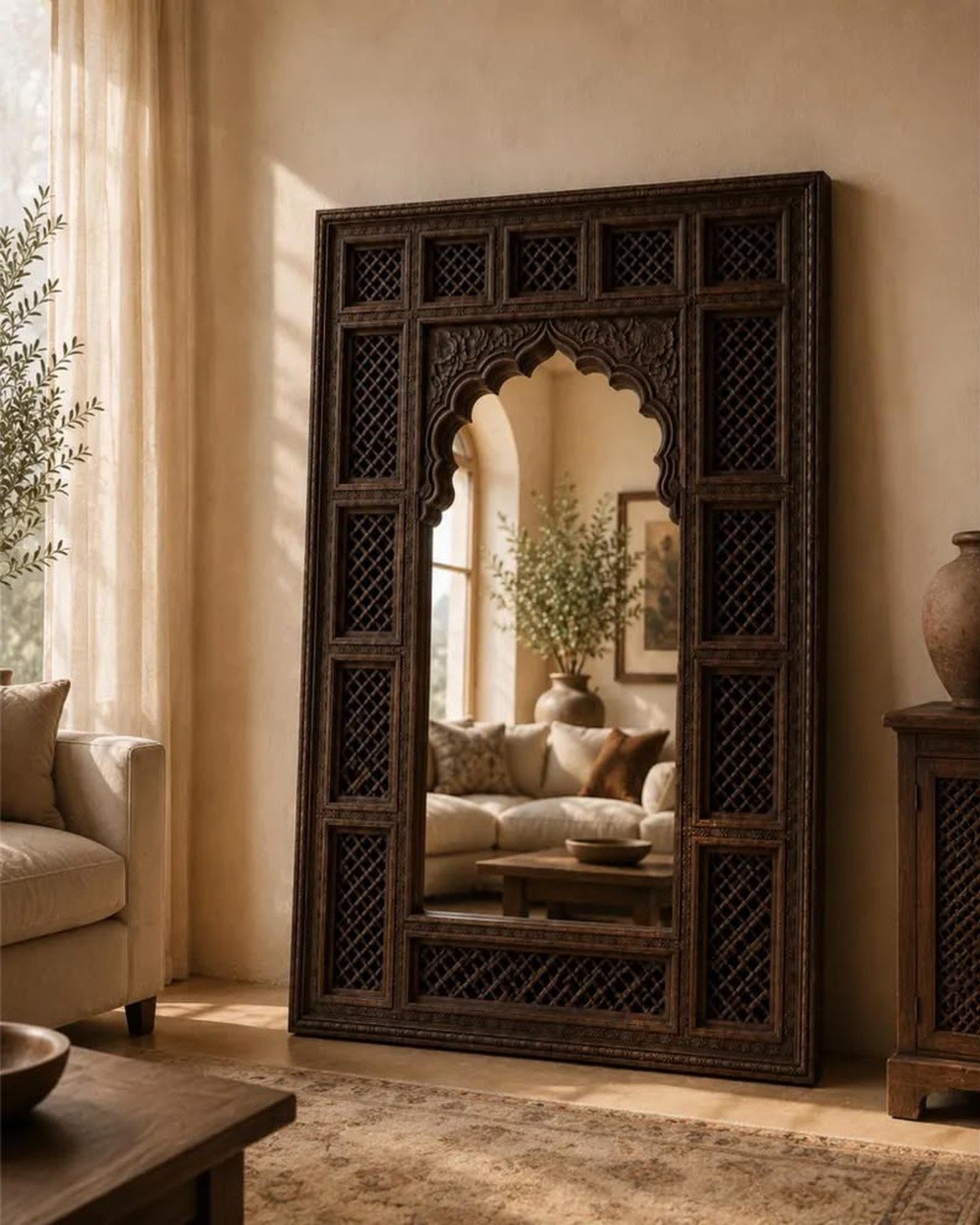
Moroccan mirrors are far more than simple reflective surfaces; they are intricate artifacts that embody centuries of North African design heritage. Whether adorning a bustling riad in Marrakech or a modern living room, these pieces bring a distinct sense of depth, light, and texture to any space. Understanding the materials and techniques behind these objects allows homeowners to appreciate the soul of Moroccan interior design.
When you encounter authentic Moroccan mirrors, you are looking at the result of a collaborative process between master craftsmen. From the selection of sustainable cedarwood to the hand-beaten brass accents, every element is curated to honor traditional aesthetics. By integrating these pieces, you invite a narrative of cultural history and artisanal excellence into your daily environment.
The Anatomy of Moroccan Mirrors
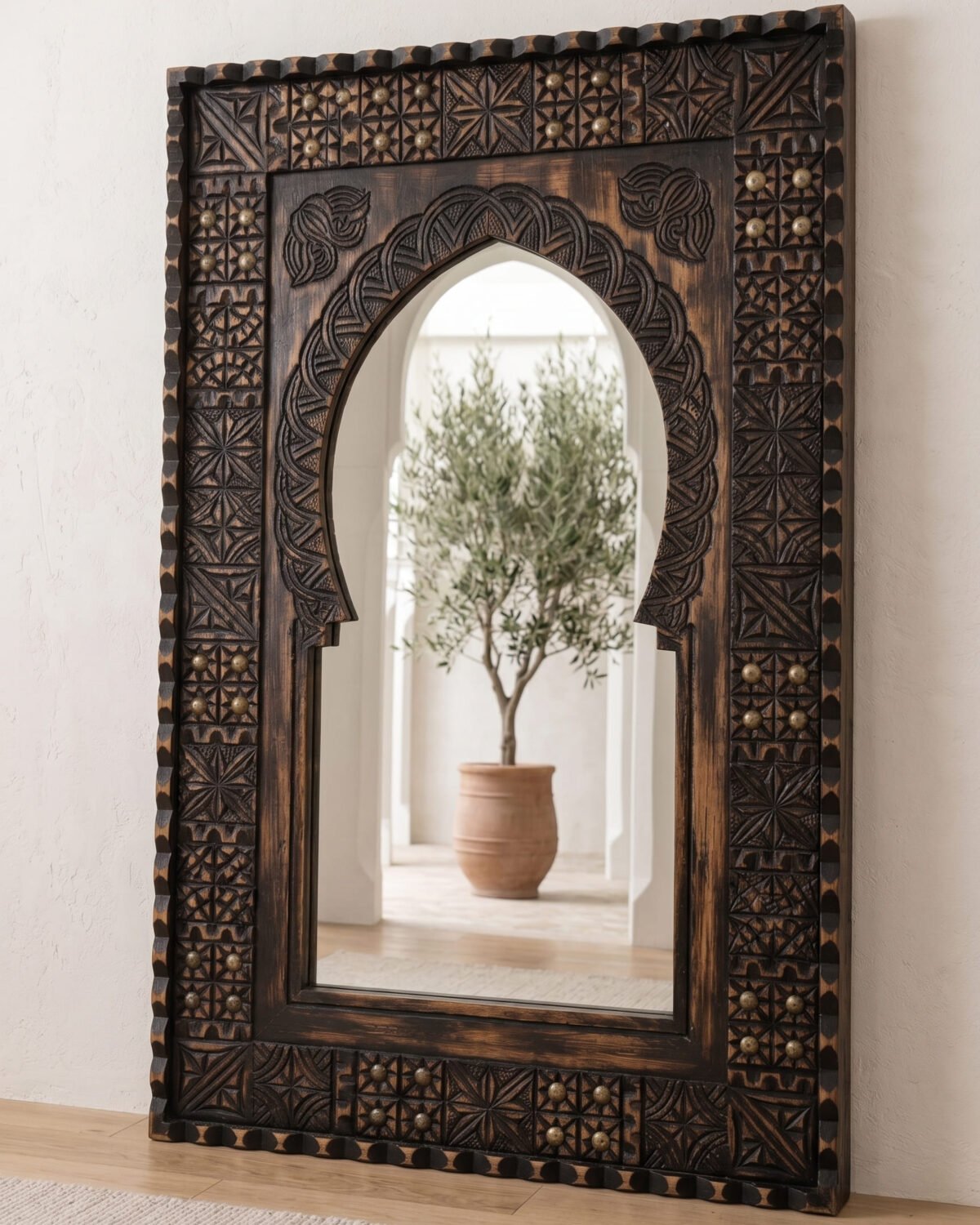
The foundation of a traditional mirror from Morocco is almost always premium cedarwood. Sourced from the Atlas Mountains, this wood is prized for its aromatic qualities, dense grain, and natural resistance to the elements.
Carving Techniques
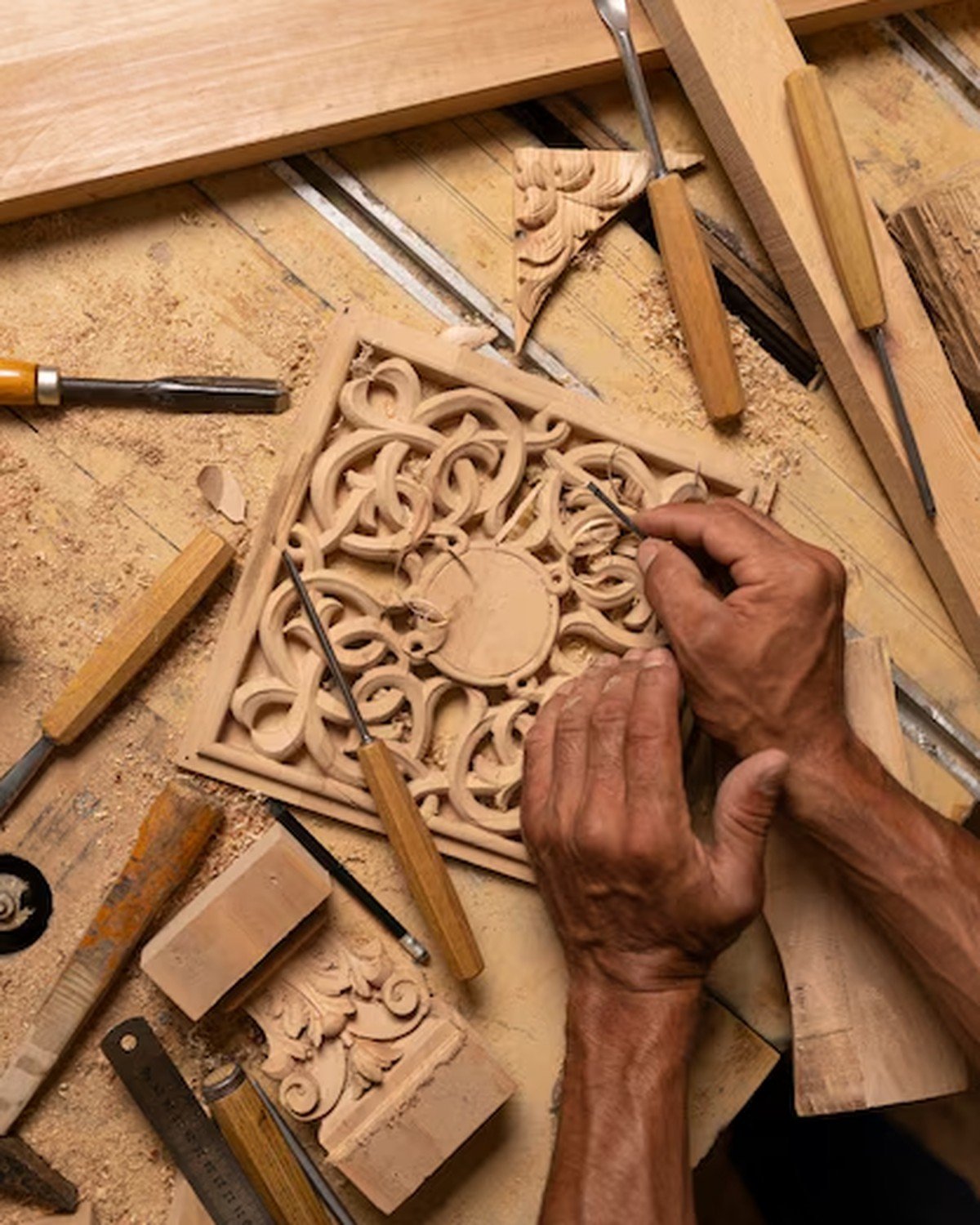
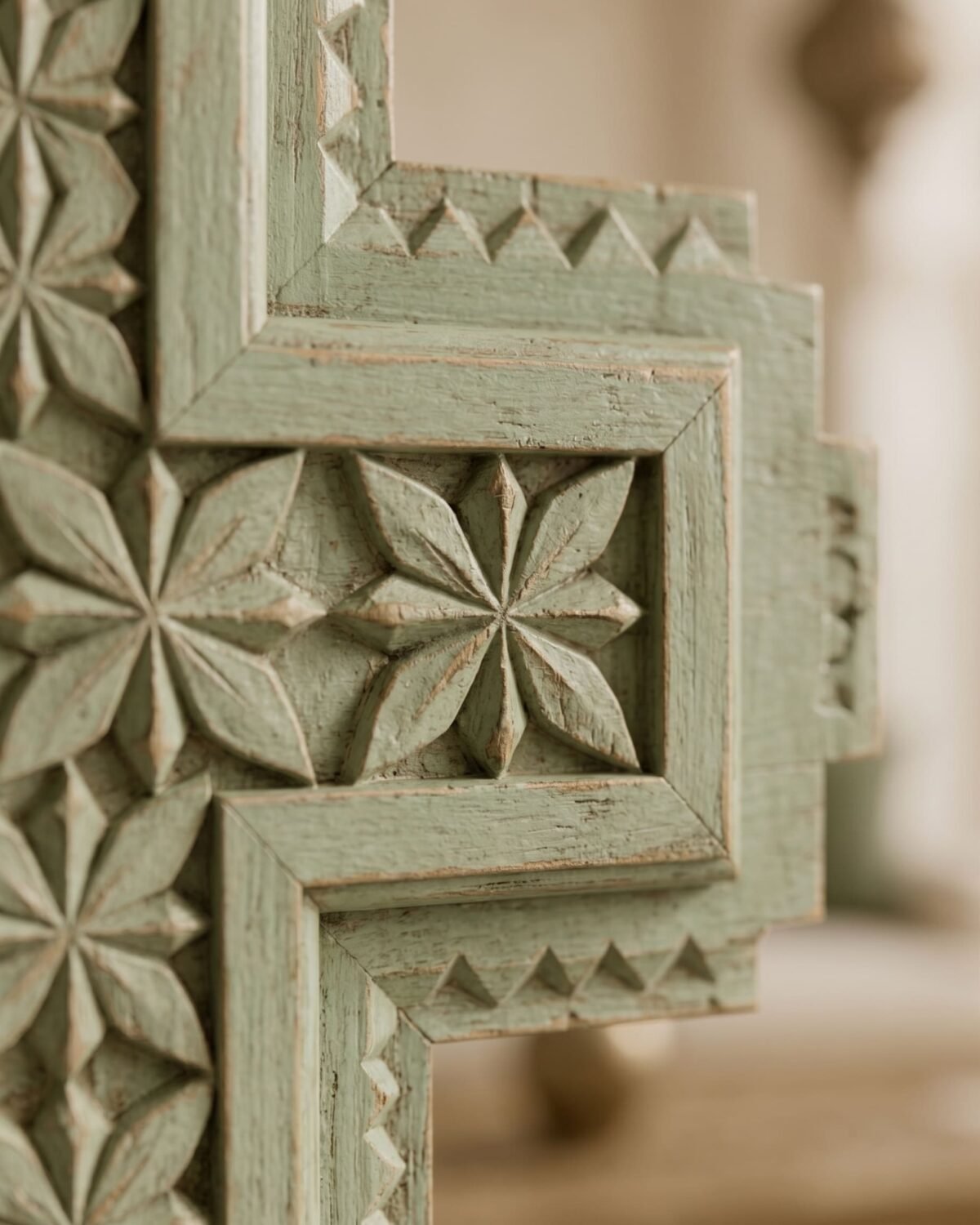
Artisans in cities like Fes use hand-held chisels to carve geometric patterns into the wood. This process, known as naqsh, requires immense precision and years of apprenticeship to master. The resulting patterns often reflect Islamic geometry, symbolizing the infinite nature of the universe through repeating stars and polygons.
Metalwork and Inlays
Many pieces incorporate brass or silver-toned metal detailing. These metals are hand-punched with delicate floral or calligraphic motifs. At ALQASR, we emphasize this marriage of wood and metal, ensuring that the structural integrity of the frame matches the beauty of the decorative finish.
Design Integrity and Material Durability
Authentic decor is built to last for generations rather than seasons. The materials used in high-quality Moroccan mirrors are naturally durable, provided they are cared for correctly.
Why Wood Matters
Cedarwood is exceptionally stable, which prevents the frames from warping or cracking in varying humidity levels. Because the wood is often finished with natural oils or waxes rather than synthetic lacquers, it breathes, maintaining its structural integrity while developing a rich patina over time.
Preserving Brass Details
Brass accents are often left untreated to age gracefully, developing a soft, darkened hue that adds character. To maintain the luster of your Moroccan mirrors, a gentle dusting with a soft cloth is usually sufficient. Avoid harsh chemical cleaners, as these can strip away the natural character of the hand-beaten finish.
Integrating Moroccan Elements Into Modern Homes
Styling your home with pieces from Morocco is about creating a dialogue between the old and the new. You do not need a house full of arches to make these items feel at home.
- Use a large, ornate mirror to act as a focal point in a minimalist entryway.
- Place a brass-accented mirror opposite a window to amplify natural light and mimic the open-air layout of a riad.
- Pair your mirror with textured textiles, such as Beni Ourain rugs, to ground the metallic elements of the frame.
By curating your space with intent, you allow the craftsmanship of Moroccan mirrors to stand out. Whether you are adding a single piece or completing a larger design vision, remember that these items serve as a testament to the artisan’s hand. If you admire the fusion of traditional architecture and functional art, consider how the hand-crafted Moroccan doors and mirrors produced by workshops like ALQASR can serve as the centerpiece of your room.
Frequently Asked Questions
How can I tell if a mirror is authentically handcrafted?
Authentic pieces will show slight variations in the carving and metalwork, reflecting the touch of the artisan. If the patterns look identical and perfectly symmetrical across every inch, it is likely mass-produced by a machine.
How should I hang a heavy Moroccan mirror?
Due to the density of the cedarwood, these mirrors are often heavy. Always use professional-grade wall anchors suited to your specific wall type, such as masonry or drywall, to ensure the frame is properly secured.
Explore Our Handmade Moroccan Doors & Mirrors
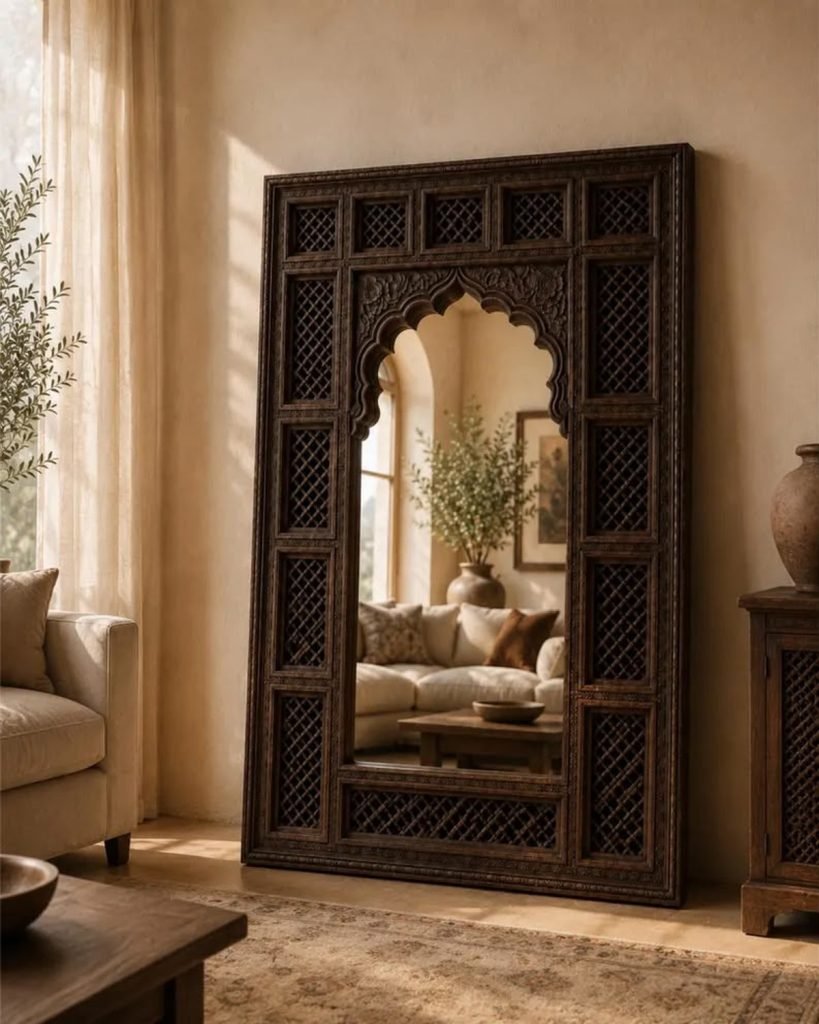
Further reading: Moroccan architecture on Wikipedia.
Explore the atelier: discover our handmade Moroccan mirrors, including Mihrab Shutters, Palais Crown and Nacre Arch.