The Living History of Zellige
Zellige, the mesmerizing mosaic tilework born in 10th-century Morocco, remains one of the most sophisticated expressions of Islamic geometric art. Each tile is hand-chiseled from natural clay, fired in kilns fueled by olive pits, and glazed in vibrant mineral pigments. When you place a set of Moroccan mirrors framed in wood or brass against a wall adorned with these tiles, you are anchoring your space in a centuries-old tradition that prizes human imperfection over machine-made uniformity.
While historical palaces in Fes utilized these tiles to cover entire fountain basins and floor-to-ceiling surfaces, modern applications have become more selective. The beauty of these tiles lies in their variations; no two pieces are identical, offering a subtle depth that mass-produced ceramics simply cannot replicate. Today, homeowners are rediscovering how these intricate patterns elevate the visual impact of Moroccan mirrors, creating a focal point that feels both historical and highly curated.
Traditional vs. Modern Zellige Styling
The Traditional Aesthetic
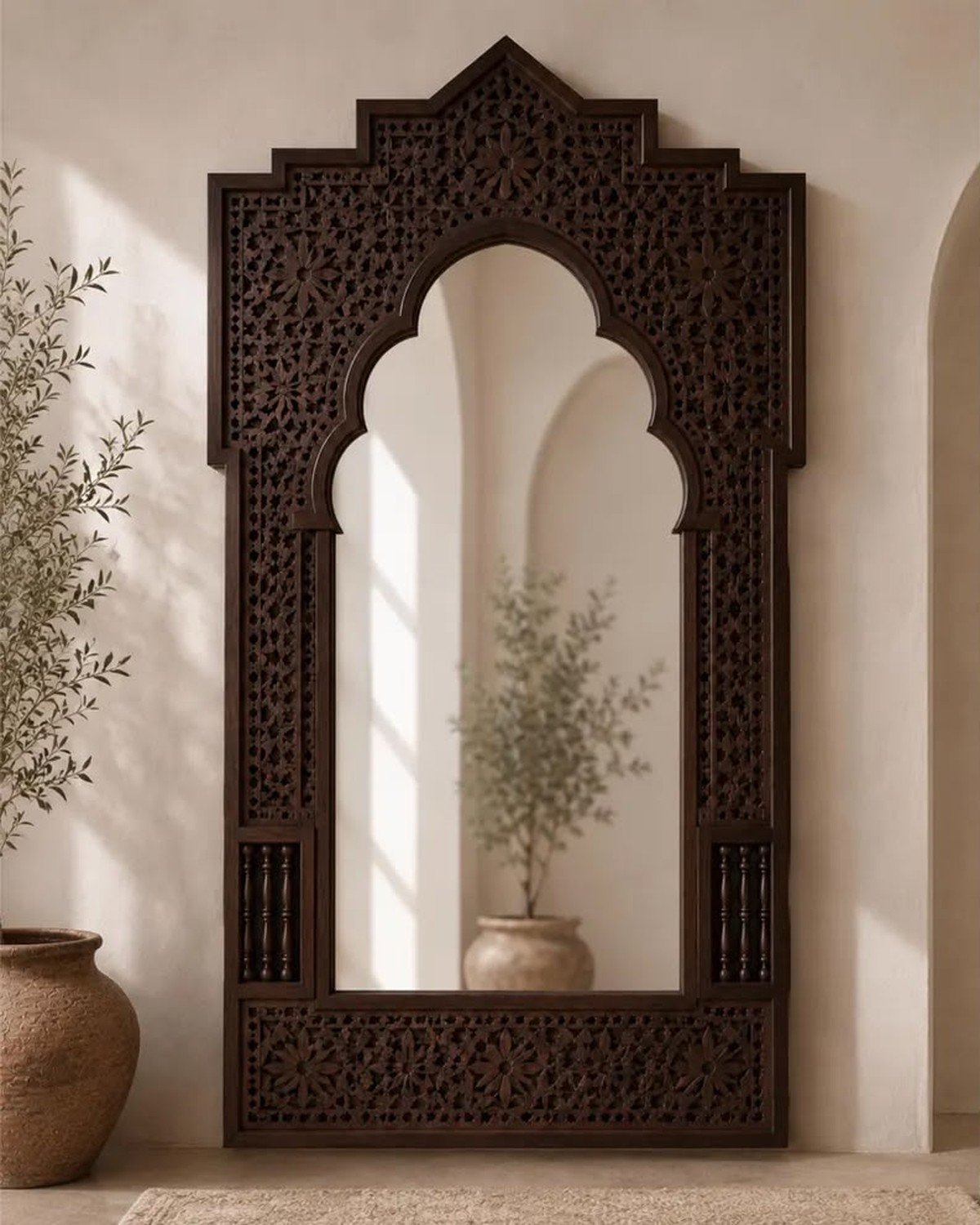
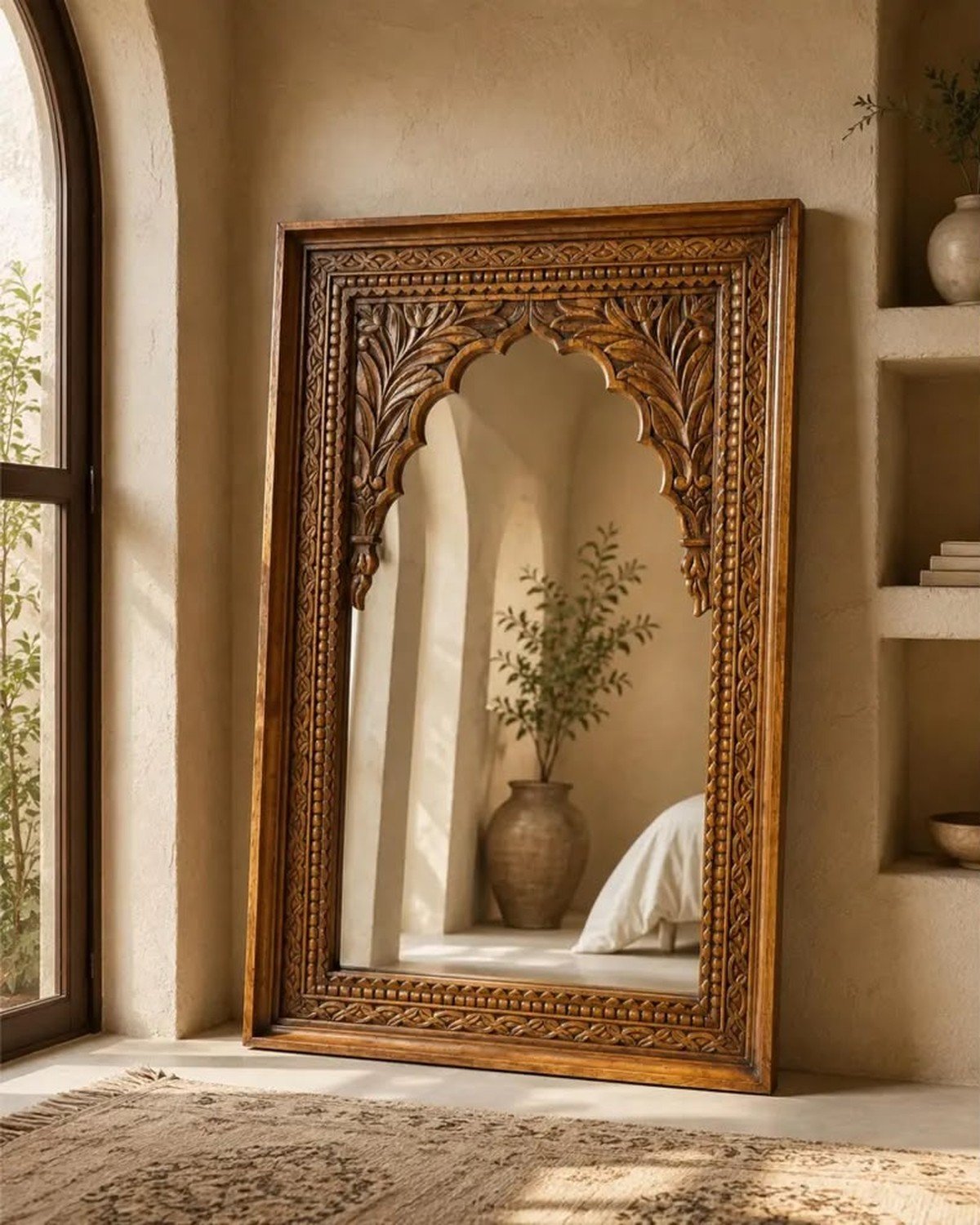
Traditionally, Zellige is used to create an immersive, monochromatic environment. Designers often pair deep blues, earthy terracottas, and vibrant emerald greens in complex star-burst or interlacing patterns. In this setting, Moroccan mirrors serve as the crown jewel, often featuring heavy cedarwood frames or intricate brass overlays that mirror the geometric precision of the tiles themselves.
The Modern Minimalist Approach
Modern design favors “less is more,” yet Zellige remains a popular choice for accent walls or singular backsplashes. By using neutral-toned tiles, such as soft whites or greys, you provide a sophisticated backdrop that allows your decor to shine. A clean, contemporary-style Moroccan mirror can act as a bridge between the ancient artisanal roots of the tile and the sleekness of modern furniture.
Why Artisanship Matters in Your Home
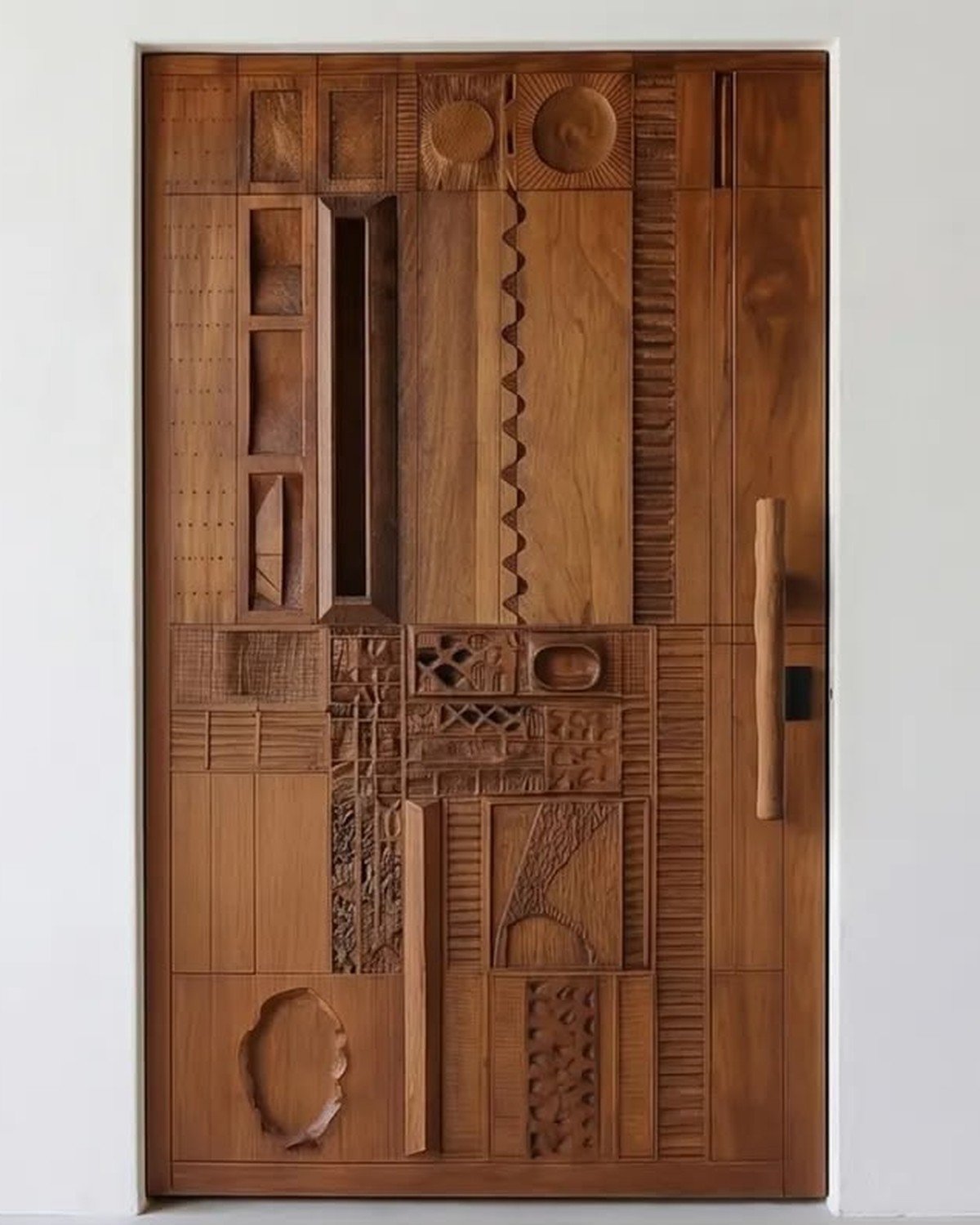
Whether you are selecting a hand-carved cedar door or an elegant piece for your vanity, the value lies in the provenance. Makers like ALQASR focus on preserving these ancestral techniques, ensuring that the labor-intensive process of glazing and cutting is honored. When you invest in a mirror handcrafted in Marrakech, you are supporting a legacy of design that has survived the test of time.
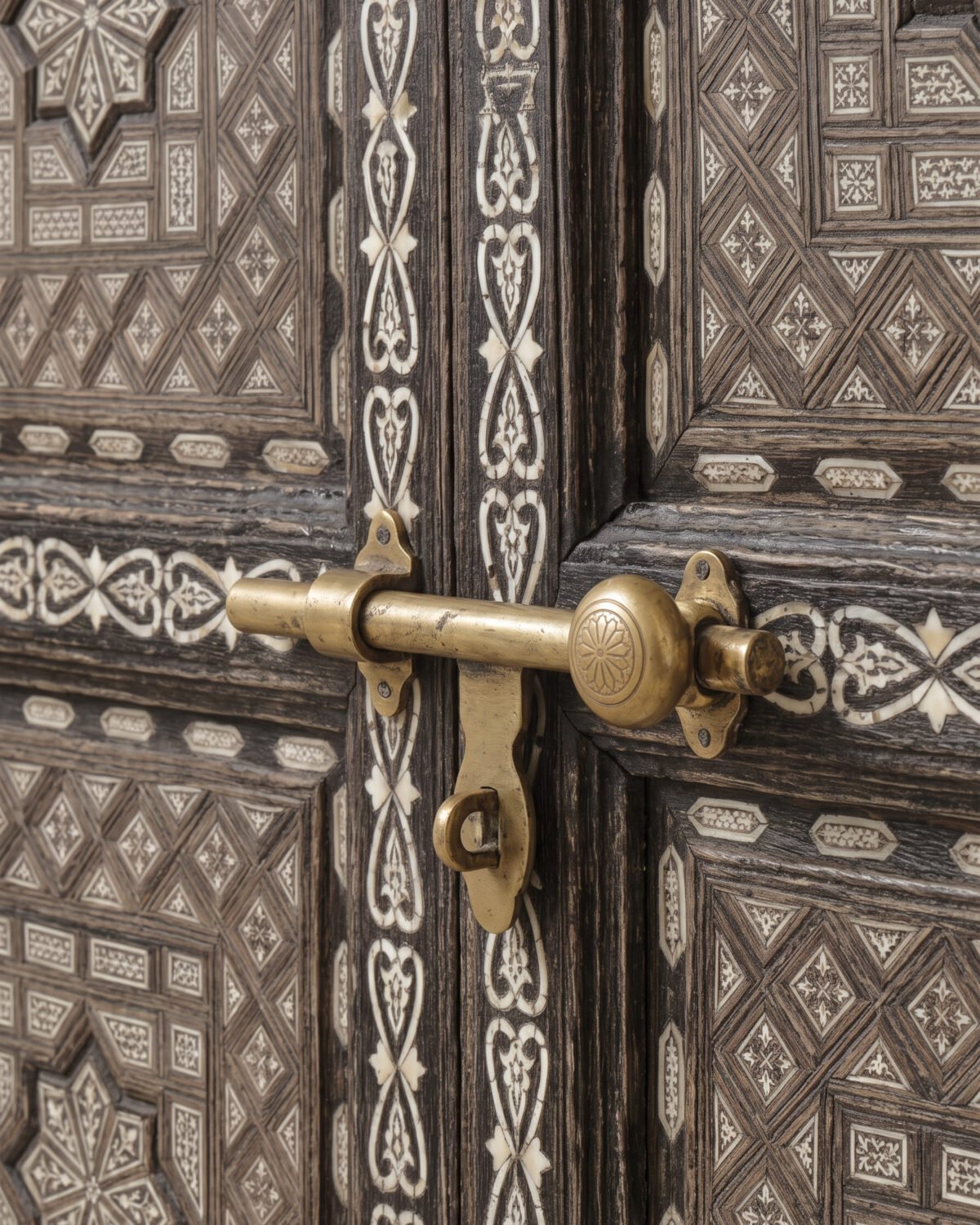
True Moroccan mirrors are often heavy, substantial pieces. The weight of the hand-beaten brass or the density of the carved wood provides a tactile experience that plastic or factory-molded frames lack. When these pieces are hung in a room featuring Zellige, they harmonize through texture, creating a sensory experience that feels deeply rooted and authentic.
Styling Tips for Moroccan Mirrors
- Placement: Position your mirror to reflect the natural light coming into a room, particularly if you have Zellige tiles nearby. The glaze on the tiles catches the light, and the mirror amplifies this, making the room feel larger and more luminous.
- Scale: Choose a mirror size that balances the scale of your tile pattern. If the Zellige pattern is very dense and busy, opt for a mirror with a simpler, elegant frame to avoid visual clutter.
- Texture Pairing: Don’t be afraid to mix organic materials. The coolness of glazed ceramic tiles contrasts beautifully with the warmth of aged cedarwood or the metallic glow of brass, which are hallmark materials used in authentic Moroccan mirrors.
Frequently Asked Questions
How do I clean Zellige tiles and mirror frames?
For Zellige, use a soft cloth and a gentle, pH-neutral soap to avoid dulling the glaze. For hand-carved wood frames, a simple dry dusting is usually sufficient, though occasionally using a natural wax can help preserve the wood’s deep, rich tone.
Can I mix Moroccan decor with a contemporary interior?
Absolutely; the key is balance. By using one or two high-quality, artisanal pieces like a brass mirror or a carved door, you create a “statement” effect that adds warmth to modern, minimalist spaces without overwhelming the room.
Explore Our Handmade Moroccan Doors & Mirrors
Further reading: the history of Marrakesh on Wikipedia.
Explore the atelier: discover our Moroccan mirrors, including Zellige Reflection and Marrakchia.