Moroccan interior design is defined by a delicate balance between geometric complexity and natural warmth. Learning how to style a Moroccan mirror allows you to bring this storied aesthetic into any room, turning a functional object into a captivating focal point.
Authentic Moroccan decor is rooted in centuries of history, drawing from Berber, Arab, and Andalusian influences. Whether you are working with intricately carved cedarwood or hand-hammered brass, these pieces tell the story of the artisan’s hand and the rich traditions of Marrakech.
Understanding the Craftsmanship Behind the Reflection
To appreciate your decor, you must understand its origins. Moroccan mirrors are typically crafted in small ateliers where master woodworkers and metal smiths collaborate. At ALQASR, for instance, artisans honor these traditional techniques to ensure each piece retains its soul and character.
Materials and Techniques
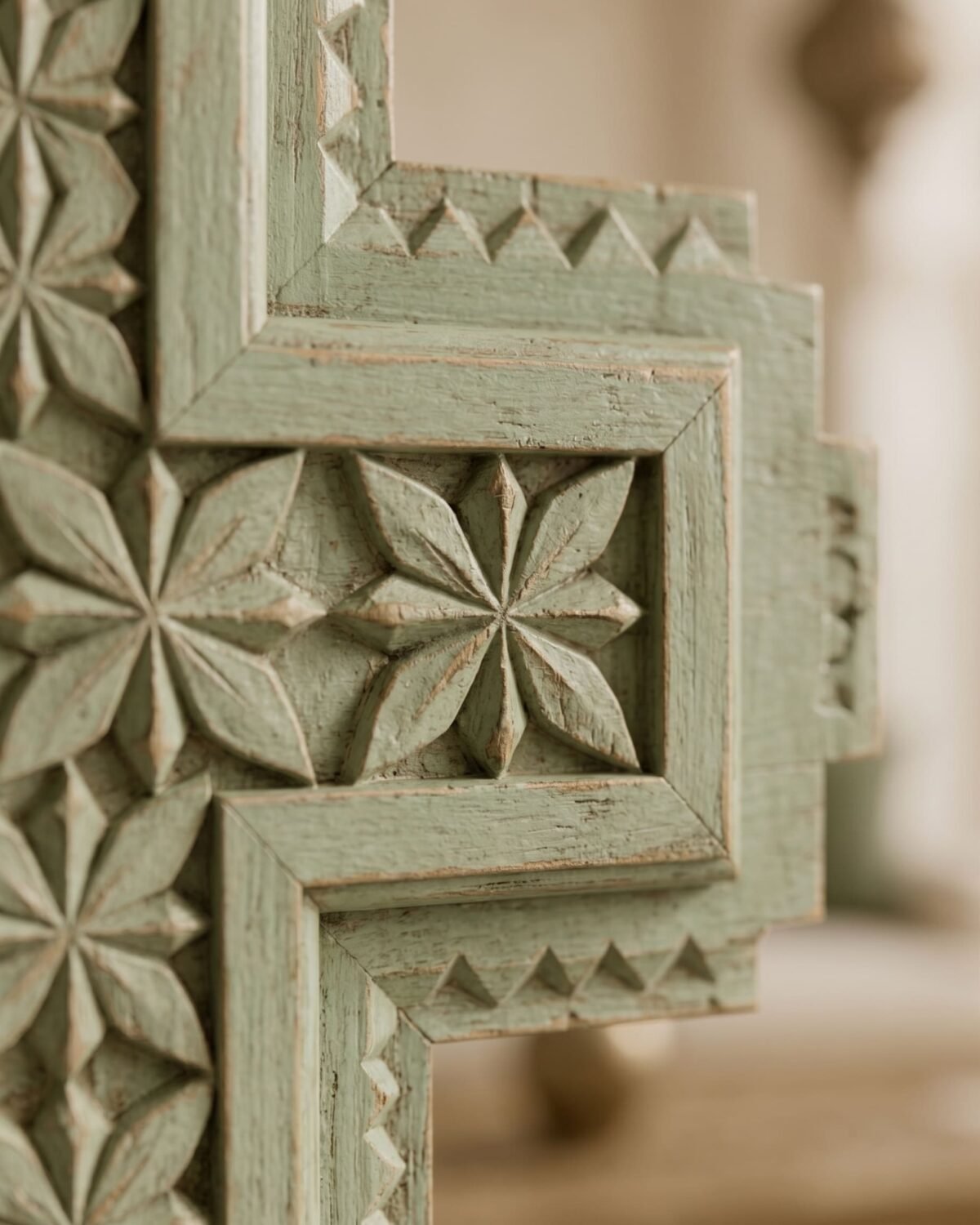
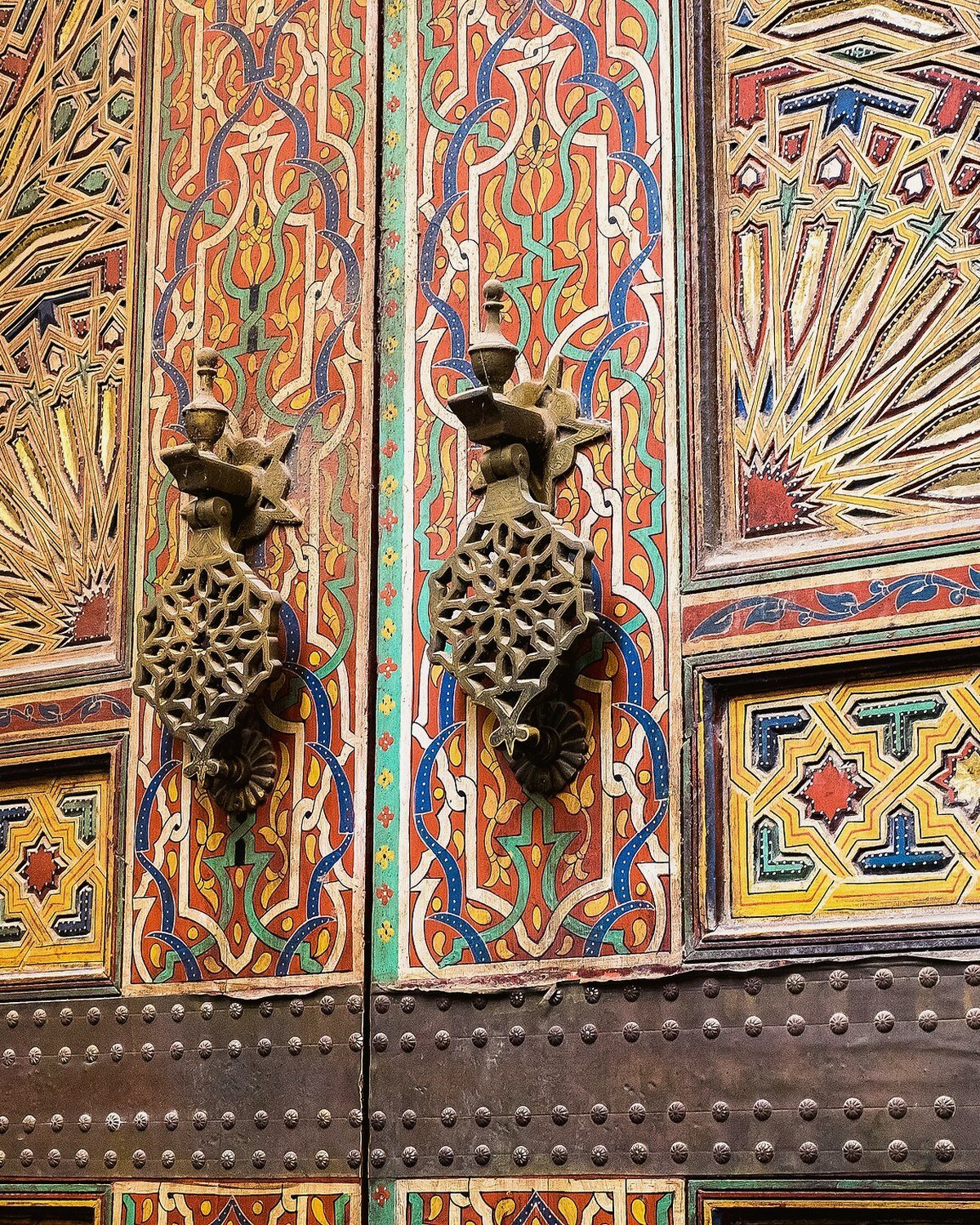
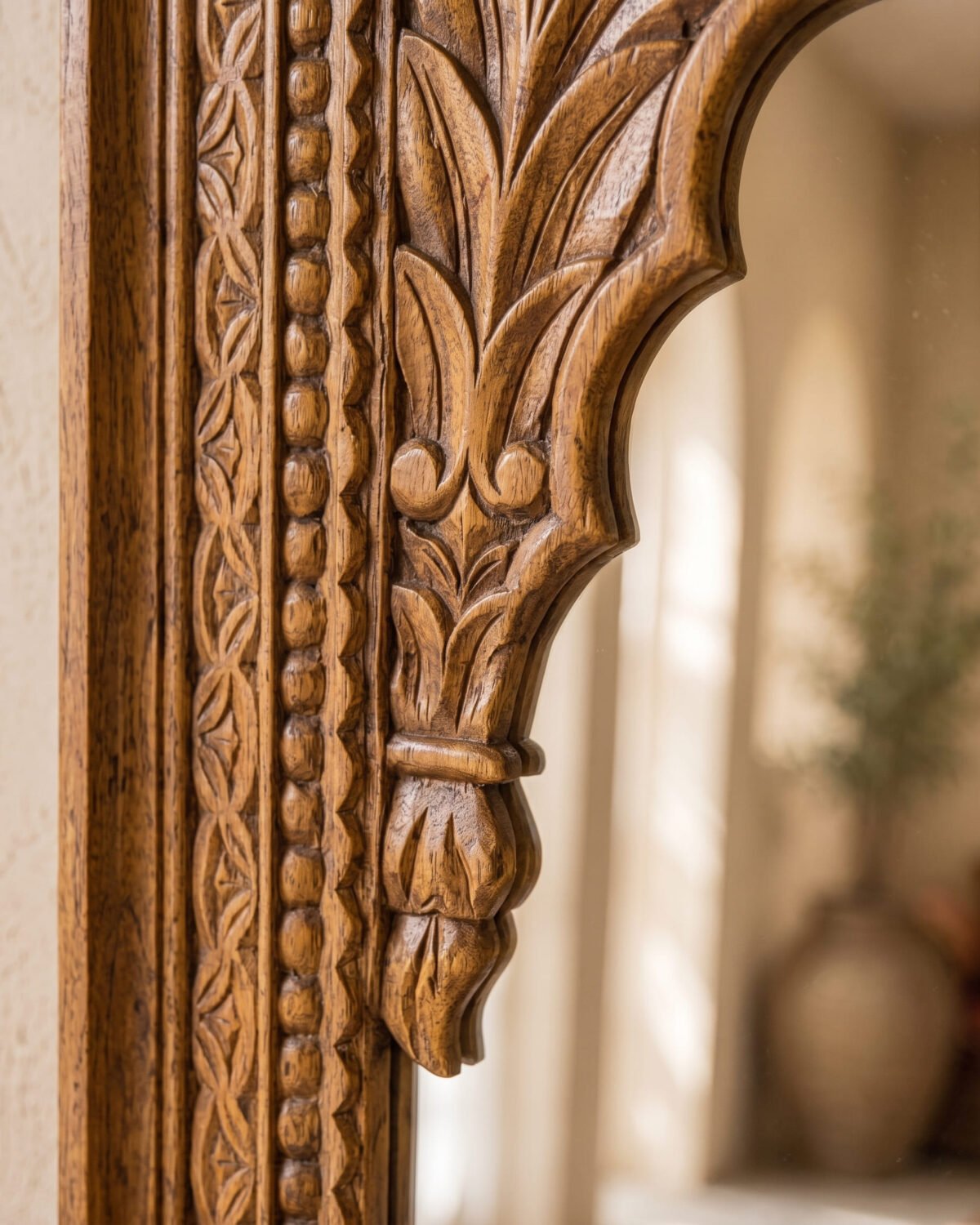
Cedarwood is the primary choice for these mirrors due to its durability and aromatic scent. Artisans often carve geometric star patterns or intricate floral motifs directly into the frame. For brass elements, the naqsh technique—hand-punching patterns into metal—creates a texture that dances beautifully in natural light.
How to Style a Moroccan Mirror in Modern Spaces
The beauty of a Moroccan mirror lies in its ability to anchor a space, regardless of your existing furniture. To successfully learn how to style a Moroccan mirror, start by considering the scale and the wall color. A large, ornate frame works best against a neutral background, such as warm cream, terracotta, or soft grey, which lets the craftsmanship stand out.
Creating a Focal Point
In a living room, place your mirror above a low-profile console table or a velvet sofa. This creates a vertical anchor that draws the eye upward, making the ceiling appear higher. If you prefer a more minimalist look, keep the surrounding decor sparse to let the mirror be the primary statement piece.
Reflecting Light and Depth
Position your mirror directly across from a window to bounce natural sunlight throughout the room. This technique, often used in traditional Moroccan riads, expands smaller spaces and enhances the room’s overall brightness. You can further elevate the look by placing brass lanterns nearby, as the metallic reflections create a cohesive, golden glow during the evening hours.
Balancing Moroccan Accents with Contemporary Furniture
You do not need an entirely themed room to enjoy authentic Moroccan accents. Mixing a handmade piece with modern or mid-century furniture adds an eclectic, traveled feel to your home. How to style a Moroccan mirror effectively often comes down to this layering of textures—pairing smooth, modern surfaces with the tactile nature of hand-carved wood.
- Contrast: Place a dark, carved cedarwood mirror against a modern, glass-topped table.
- Texture: Layer a brass mirror near woven textiles or natural rugs to emphasize organic materials.
- Architecture: If you have an arched doorway or window, choose a mirror with a matching silhouette to echo the architectural language of the room.
When selecting pieces, remember that authentic craftsmanship like that found at ALQASR offers a depth of detail that mass-produced items lack. These mirrors are not just decor; they are heirlooms crafted by artisans who have spent decades perfecting their trade.
Frequently Asked Questions
What wall color best complements a brass Moroccan mirror?
Warm, earthy tones like ochre, terracotta, or deep olive green emphasize the golden hues of the brass. White or off-white walls are also excellent choices if you want the intricate patterns of the frame to act as the room’s main highlight.
Can a Moroccan mirror be used in a bathroom?
Yes, but ensure the wood is properly treated for moisture. Cedarwood is naturally resistant to decay, but a light, protective finish will keep your mirror looking pristine even in humid environments.
How do I clean my mirror frame without damaging the details?
Use a dry, soft-bristled brush to gently remove dust from the intricate carvings. For brass surfaces, a soft microfiber cloth is sufficient; avoid harsh chemical cleaners that might strip the natural patina of the metal.
Explore Our Handmade Moroccan Doors & Mirrors
Further reading: Zellige tilework on Wikipedia.