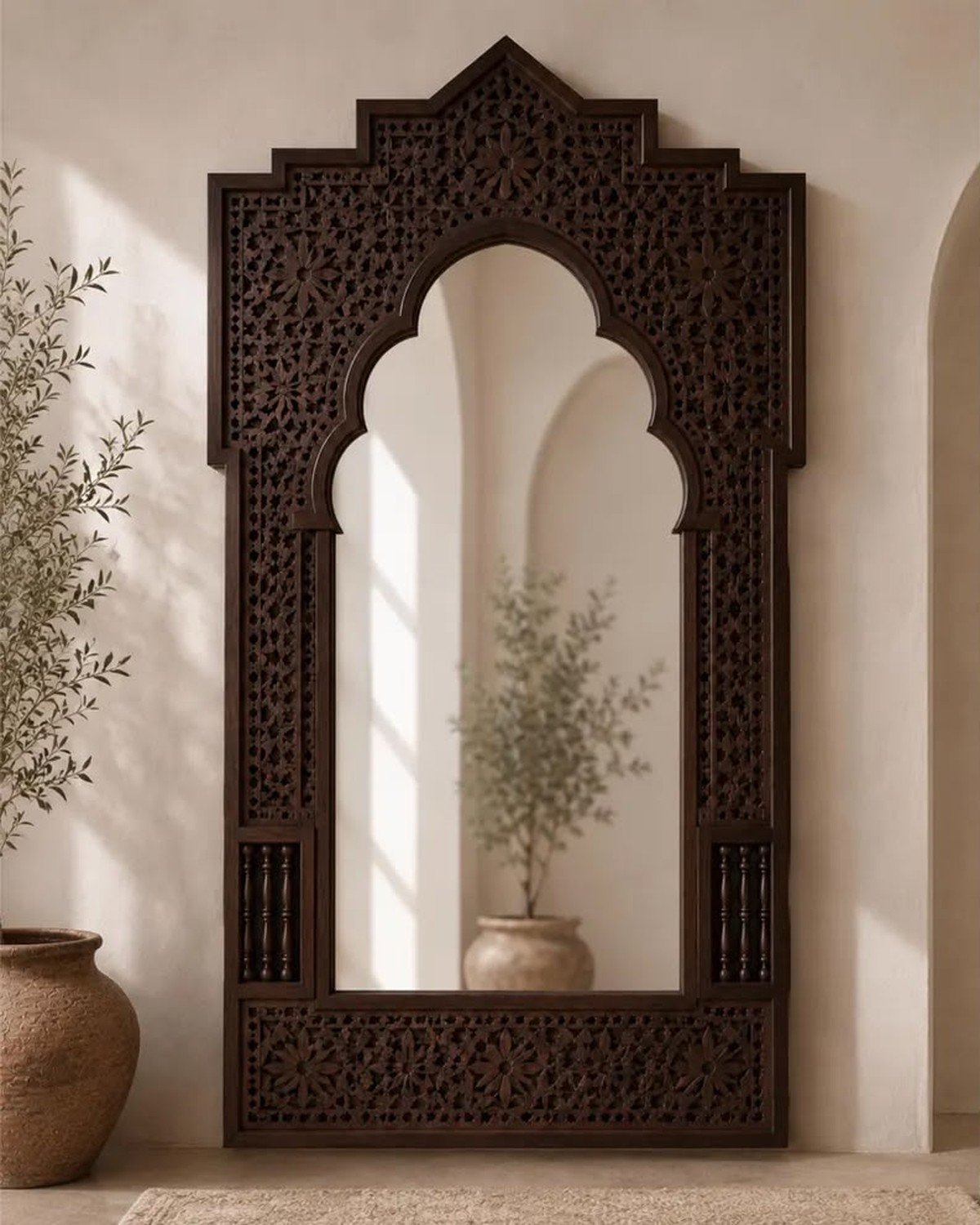
Wooden mirrors serve as the crowning jewel of Moroccan interior design, bridging the gap between historical artistry and modern aesthetic functionality. These pieces often feature the intricate geometric patterns found in traditional palaces, reflecting the meticulous work of artisans from Fes and Marrakech. Understanding how to integrate and maintain these items is essential for anyone looking to bring the soul of the Maghreb into their living space.
Authentic Moroccan decor is defined by natural materials, specifically cedarwood, brass, and zellige tile work. When you invest in high-quality wooden mirrors, you are not just buying a wall hanging; you are acquiring a piece of heritage that carries the scent of cedar and the history of generations of woodcarvers. Proper care ensures these pieces remain as striking as the day they were crafted.
The Artistry of Moroccan Woodworking
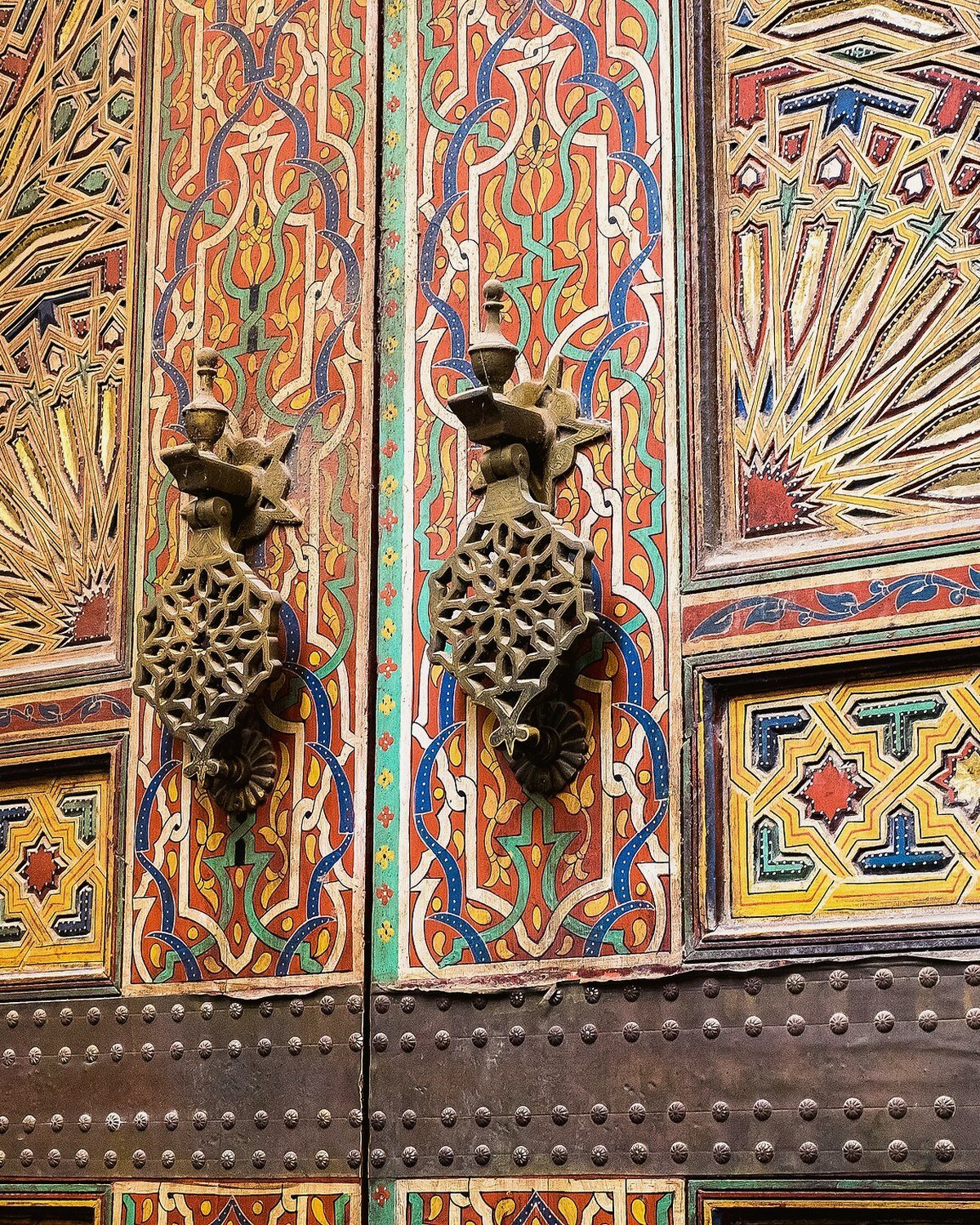
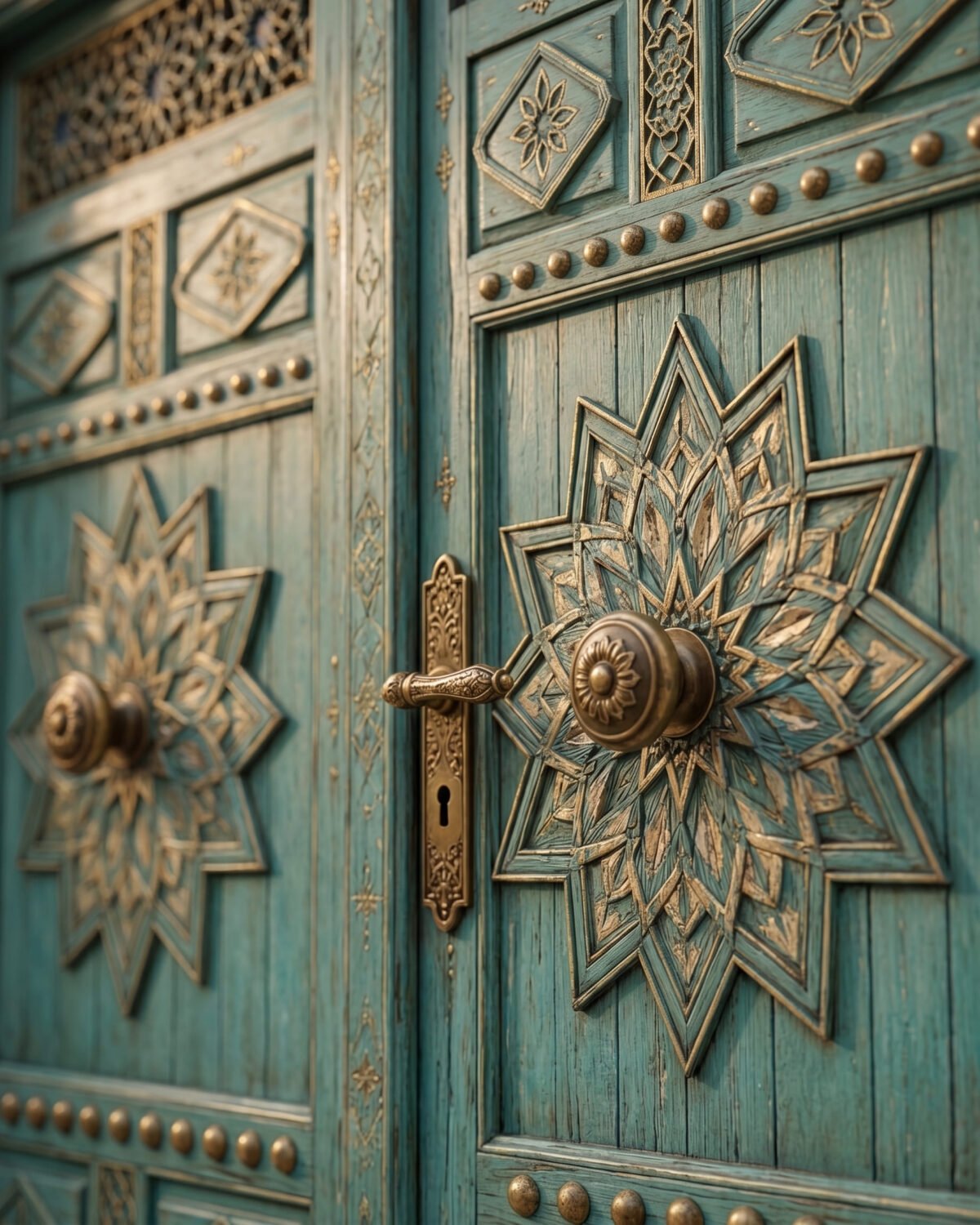
Traditional Moroccan woodcarving is a labor-intensive process that relies on centuries-old techniques. Artisans often select cedar, prized for its durability, resistance to insects, and rich, aromatic grain. Using simple hand tools, they carve delicate motifs that tell stories of Islamic geometry and Andalusian influence.
The Role of Cedarwood
Cedarwood is the backbone of traditional Moroccan architecture, famously used in the grand Moroccan doors that define the cityscapes of Fes. Its natural oils act as a protective barrier, making it an ideal choice for humid climates. When fashioned into mirrors, this wood provides a sturdy frame that stands the test of time, maturing into a deeper, warmer color as it ages.
Caring for Your Wooden Mirrors
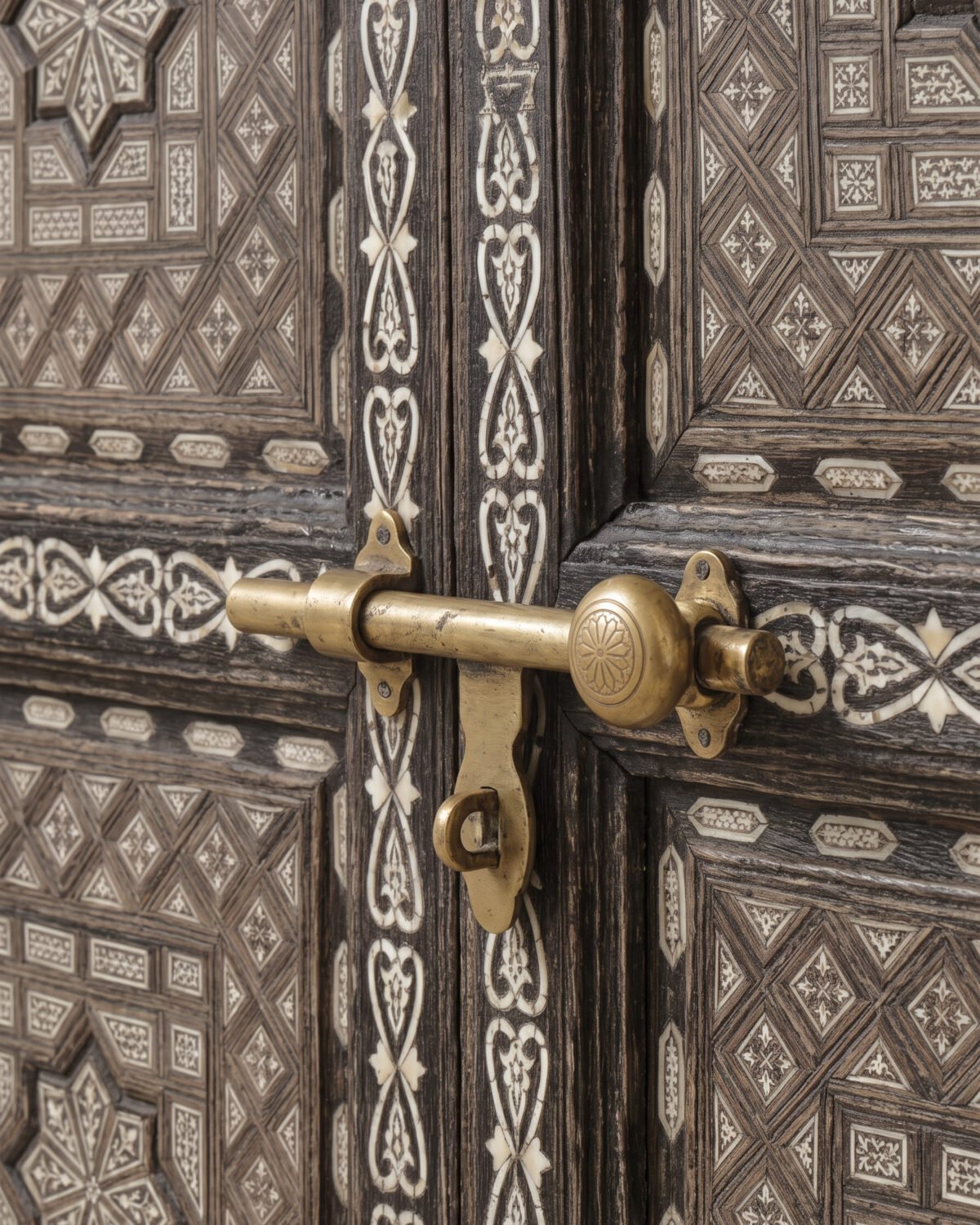
Because these mirrors are handmade, they require a gentle touch to preserve their intricate details. Harsh chemical cleaners can strip the wood of its natural oils or damage the delicate brass inlays often found alongside the carvings. A consistent, low-impact maintenance routine is the best strategy.
Dusting and Cleaning Techniques
To clean wooden mirrors, use a soft, dry microfiber cloth to remove dust from the crevices. If the wood appears dry, apply a very small amount of high-quality beeswax or mineral oil using a lint-free cloth. Always test a small, inconspicuous area first to ensure the finish remains consistent and vibrant.
Environmental Considerations
Wood is a living material that reacts to changes in humidity and temperature. Avoid hanging your handcrafted mirrors in direct sunlight or directly above a radiator to prevent the wood from cracking or warping. Stable environments are key to keeping the joinery tight and the structure intact for years to come.
Styling Your Space the Moroccan Way
Incorporating Moroccan elements requires a balance between bold patterns and negative space. A large, ornate mirror serves as a perfect focal point in a minimalist entryway or a neutral-toned living room. It acts as an anchor, drawing the eye toward the rhythmic, carved details that define the piece.
At ALQASR, we believe that every home should have a centerpiece that tells a story. Whether you pair your mirror with an authentic hand-carved door or let it stand alone against a lime-washed wall, the goal is to create a sense of harmony. Moroccan design thrives on the juxtaposition of refined craftsmanship against simple, textured backgrounds.
Frequently Asked Questions
How often should I oil my Moroccan wood mirror?
You should only oil your wooden mirror once or twice a year, or whenever the wood appears visibly dull or dehydrated.
Can I use water to clean the carved details?
It is best to avoid water entirely, as excess moisture can penetrate the wood grain and lead to swelling or damage to the delicate carvings.
How do I handle the brass accents on the frame?
Use a soft, dry cloth to buff the brass gently. If tarnish becomes an issue, use a specialized, non-abrasive brass cleaner, being extremely careful not to touch the surrounding wood.
Explore Our Handmade Moroccan Doors & Mirrors
Further reading: Moroccan architecture on Wikipedia.
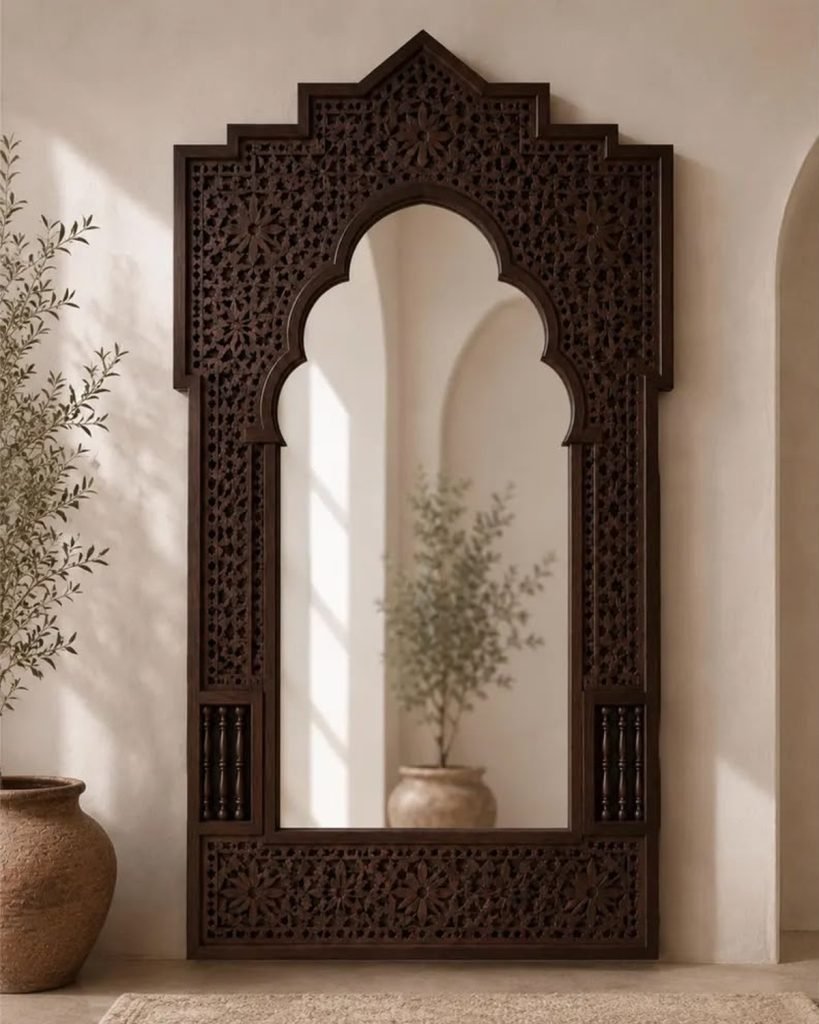
Explore the atelier: discover our handmade Moroccan mirrors, including Fes Lattice and Atlas Leaf. Read also how Moroccan mirrors are made.