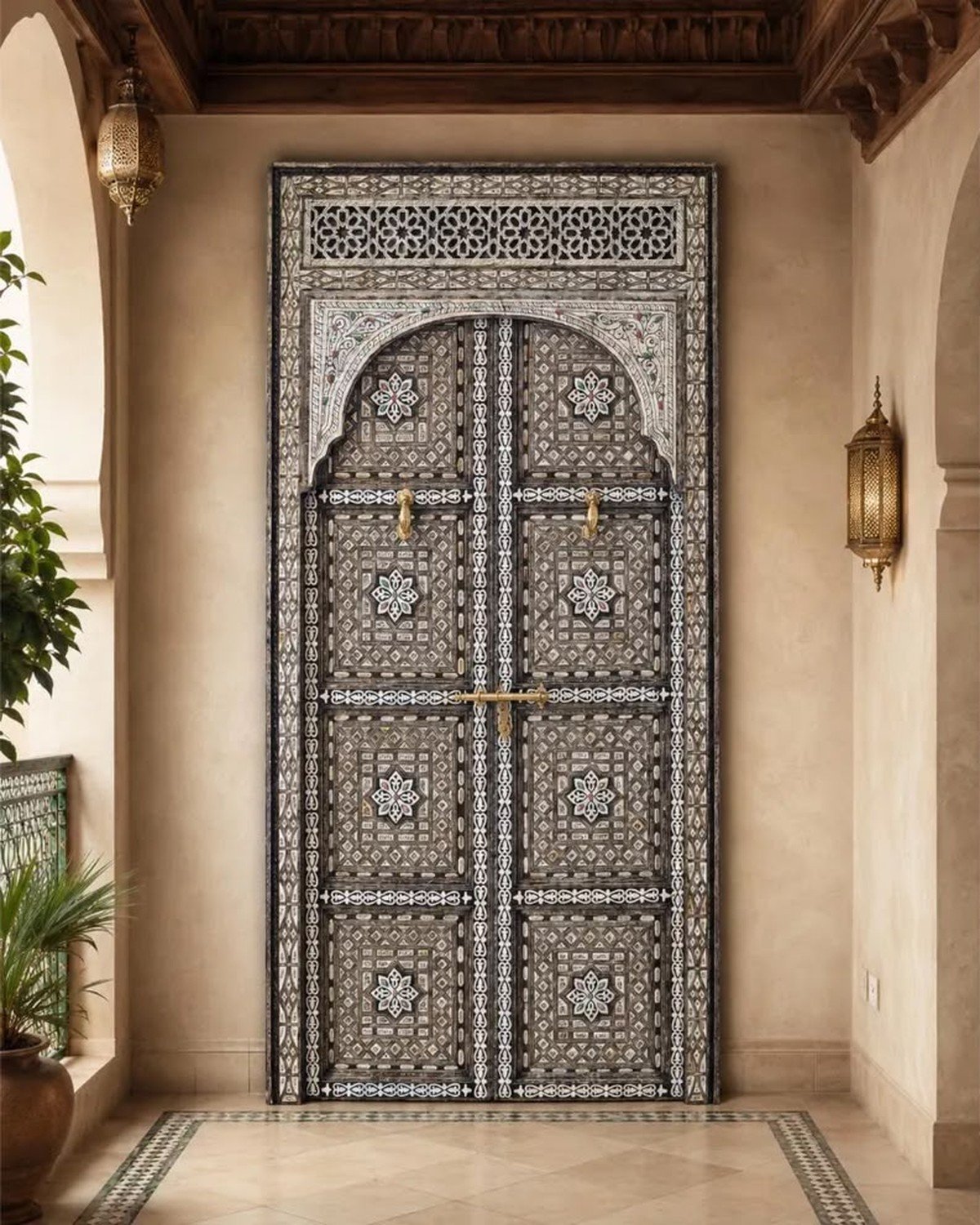
The Ancestral Roots of Moroccan Woodworking
Moroccan mirrors are among the most captivating expressions of North African craftsmanship, blending centuries-old woodworking traditions with intricate metalwork and hand-carved detail. Rooted in the ancient ateliers of Fes and Marrakech, these mirrors are far more than decorative accents; they are living artifacts of a heritage passed down through generations of master artisans. In this guide, we explore the origins, techniques, and enduring appeal of authentic Moroccan mirrors, and show you how to bring this timeless art form into your own home.
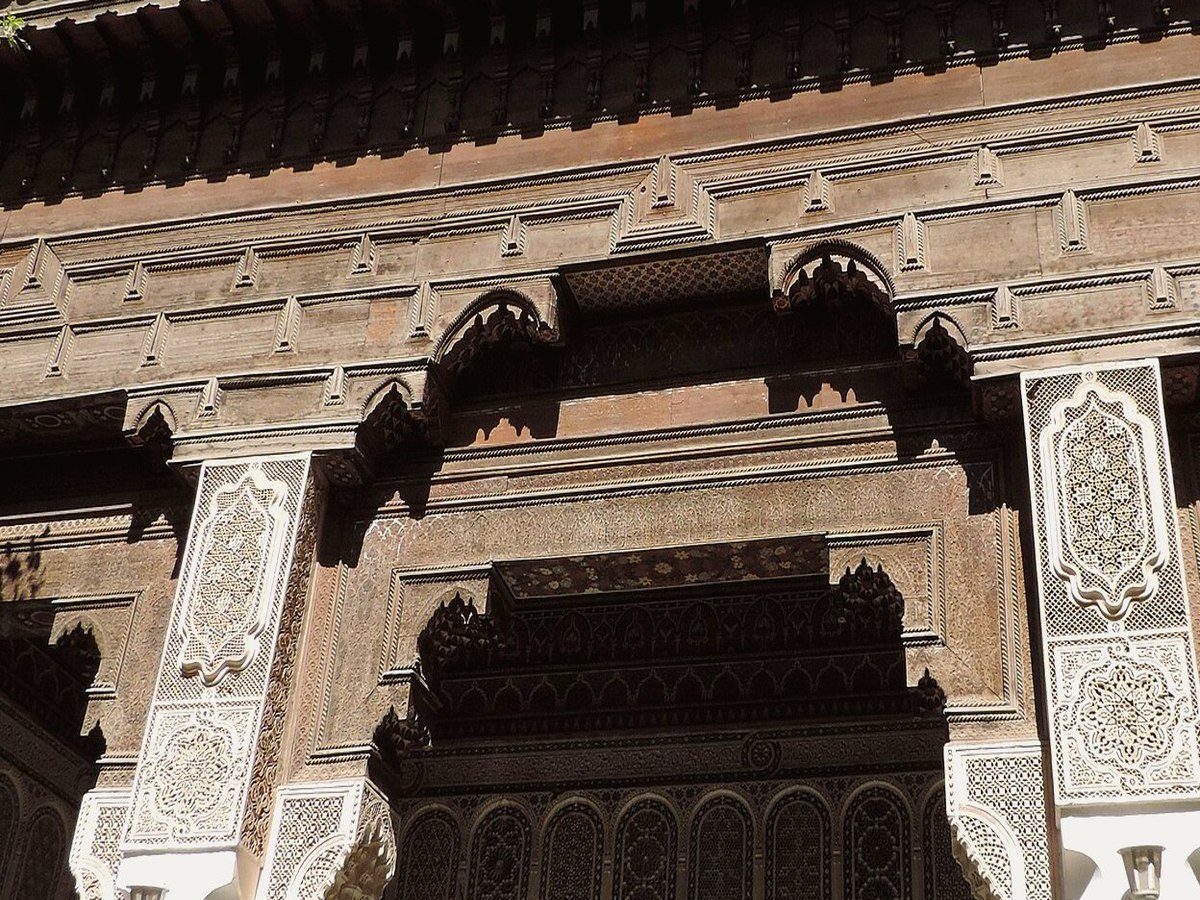
The history of Moroccan woodworking is a narrative written in cedar and brass, spanning over a millennium. From the imperial workshops of Fes to the bustling souks of Marrakech, this craft has served as a cornerstone of Islamic architecture and domestic refinement.
Authentic Moroccan mirrors are more than reflective surfaces; they are heirlooms that carry the geometric precision of the Almohad and Merinid dynasties. By integrating intricate wood carvings with shimmering metalwork, these pieces serve as portals into the kingdom’s enduring aesthetic legacy.
The Mastery of Cedarwood and Intricate Carving
The Choice of Material
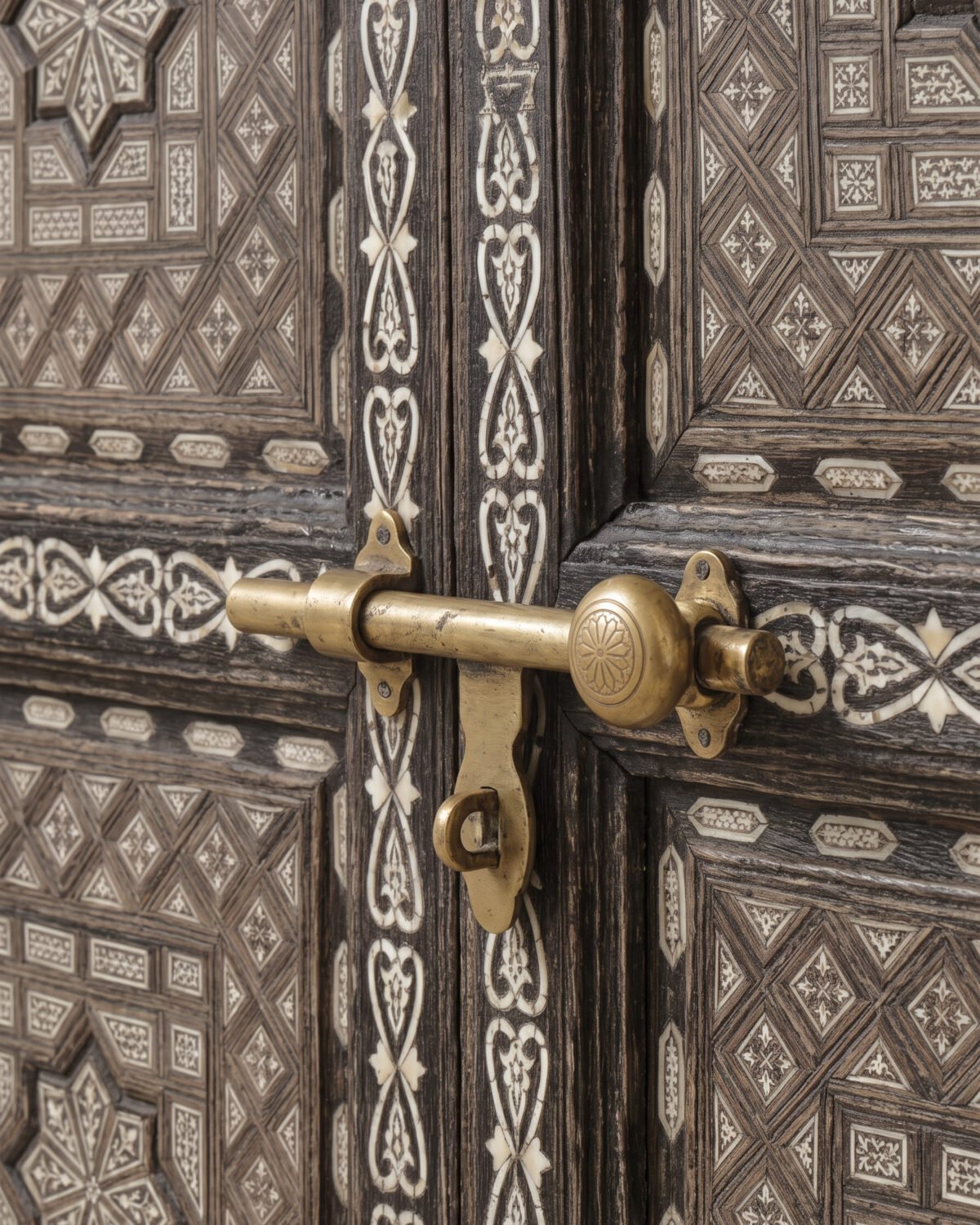
Atlas Cedar remains the most prized wood for Moroccan artisans due to its density, natural aromatic oils, and resistance to warping. This robust timber provides the perfect canvas for the deep relief carving known as naqsh hadda.
Techniques of the Maâlems
Master artisans, or Maâlems, undergo decades of apprenticeship to master these complex chiseling techniques. When crafting Moroccan mirrors, they favor geometric motifs that honor the mathematical principles of Moroccan tilework, ensuring every curve and intersection is perfectly balanced.
The Symbiosis of Materials
The hallmark of Moroccan design is the harmonious combination of contrasting textures. A truly exceptional piece often blends warm cedarwood with the cool, reflective properties of hand-hammered brass or copper.
Brass and Zellige Accents
Brass details are frequently etched with floral calligraphy, providing a soft contrast to the rigid geometry of the wood frame. Some designs also incorporate small, hand-cut zellige tiles, embedding flashes of cobalt or emerald within the timber to create a vibrant focal point.
As a maker of authentic Moroccan doors and Moroccan mirrors, ALQASR emphasizes the importance of these traditional materials. By preserving these raw, natural elements, the soul of the Moroccan workshop is successfully transported into modern homes worldwide.
Styling Your Space with Traditional Craft
Integrating a piece of Moroccan craftsmanship into a modern interior requires an appreciation for balance. These mirrors act as architectural anchors, capable of transforming a minimalist hallway into an area of depth and historical intrigue.
For a contemporary look, place a carved wooden mirror above a clean-lined console table. The juxtaposition between the raw, handmade texture of the wood and the sleek, modern furniture highlights the artistry of the mirror without cluttering the visual field.
Frequently Asked Questions
How can I identify an authentic Moroccan mirror?
Authentic pieces often feature Atlas Cedar, intricate hand-chiseled motifs, and authentic metalwork rather than mass-produced castings. Look for variations in the carving, which signify the human touch of a master artisan.
How should I care for Moroccan wood furniture?
Keep your wooden pieces away from direct, harsh sunlight and excessive humidity. A light dusting with a soft, dry cloth is usually sufficient, and an occasional application of natural wax can help preserve the luster of the cedar wood.
Explore Our Handmade Moroccan Doors & Mirrors
Further reading: the history of Marrakesh on Wikipedia.
Whether you choose a sun mirror for a grand entryway or a small hand-carved piece for a reading nook, Moroccan mirrors bring craftsmanship, history, and warmth into any space. Investing in an authentic, handmade piece not only supports the artisan communities of Fes and Marrakech but also ensures you own a work of art built to last for generations. As you plan your next interior project, let genuine Moroccan mirrors serve as the centerpiece that ties tradition and modern design together.
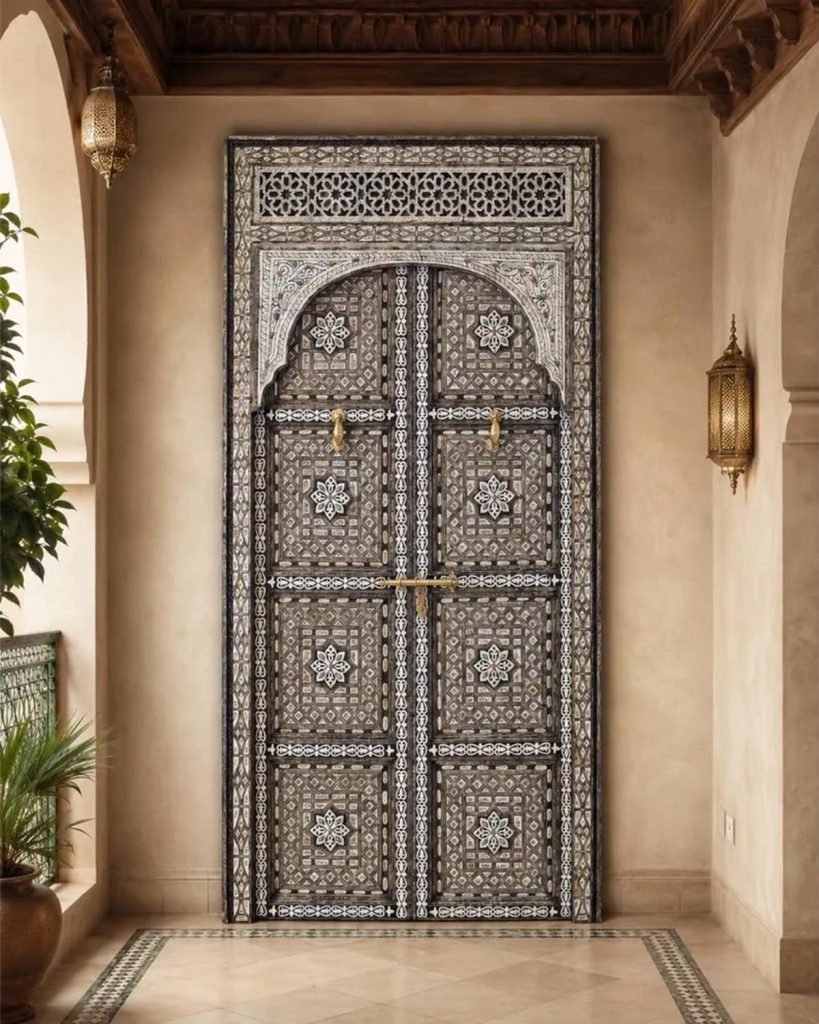
Explore the atelier: see this craft in our handmade Moroccan mirrors and handmade Moroccan doors, such as Mihrab Shutters.