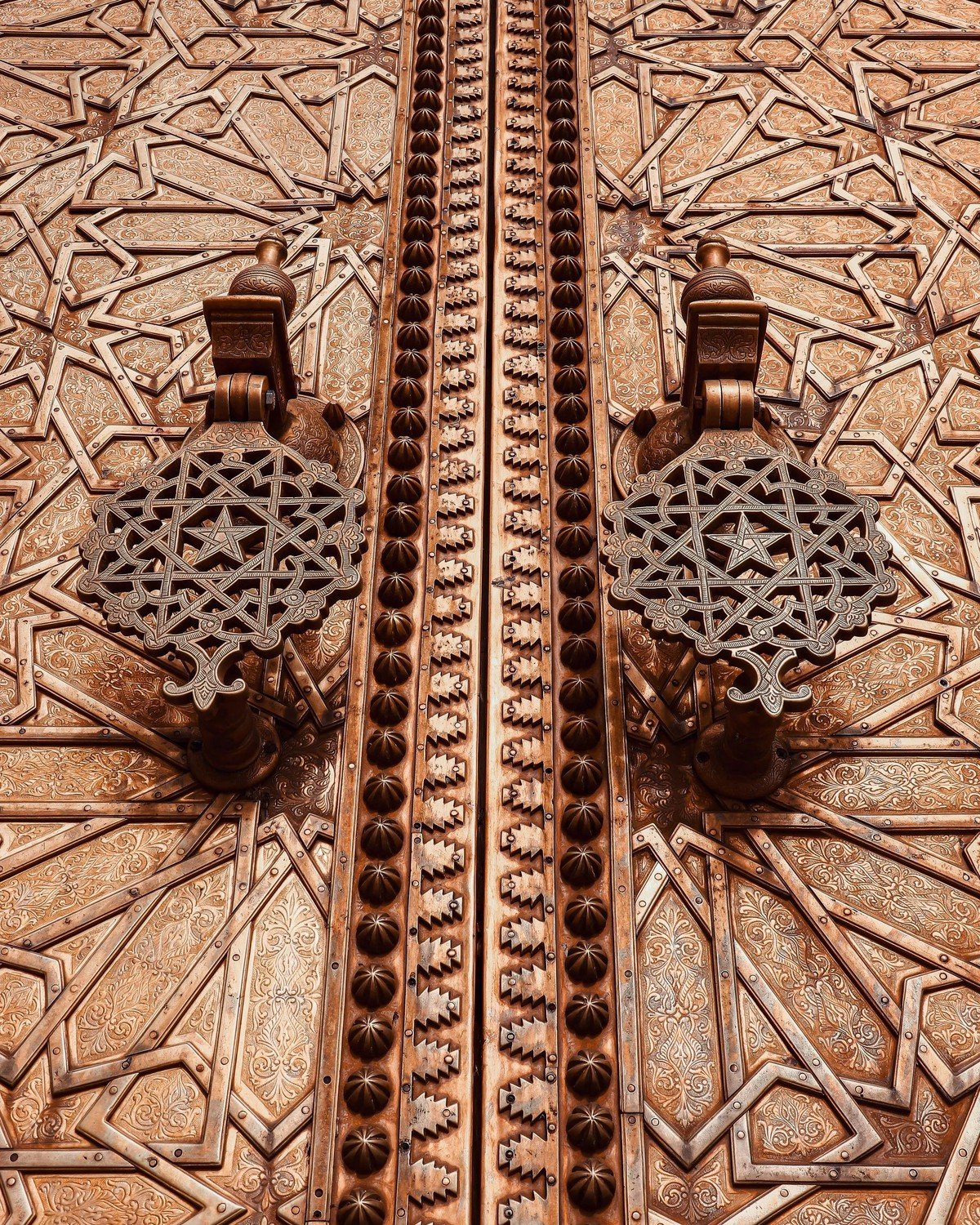
When it comes to creating an authentic Moroccan home, few architectural elements are as powerful as a beautifully handcrafted door. A moroccan tiles architecture house door combines traditional Moroccan craftsmanship, geometric patterns, rich textures, and architectural details to create an entrance that immediately captures attention. This kind of moroccan tiles architecture house door is quickly becoming a favorite among homeowners who want a bold, authentic entrance.
Moroccan architecture is known throughout the world for its distinctive use of zellige tiles, carved wood, geometric motifs, arches, and handcrafted finishes. When these elements come together in a house entrance, the result is a door that is not simply functional, but a true architectural statement.
Explore Our Handmade Moroccan Doors & Mirrors
The Beauty of a Moroccan Tiles Architecture House Door
A traditional Moroccan entrance often reflects the artistic heritage of Morocco. From the famous riads of Marrakech and Fez to contemporary luxury villas, Moroccan doors are designed to create a strong visual connection between the exterior architecture and the interior space.
A moroccan tiles architecture house door can incorporate several traditional elements, including colorful zellige tiles, carved Moroccan wood, handcrafted metal details, and geometric Islamic patterns.
The combination of these materials gives the entrance a unique character while preserving the authenticity of Moroccan architectural design.
Moroccan Zellige Tiles and Architectural Design
Zellige is one of the most recognizable elements of Moroccan architecture. These handmade tiles are traditionally cut and assembled into intricate geometric compositions.
Their irregular handmade appearance gives Moroccan architecture its distinctive character. Unlike mass-produced tiles, traditional zellige can feature subtle variations in color, shape, and texture, making every installation unique.
Using Moroccan tiles around a house entrance can create a beautiful frame for a handcrafted wooden door. The contrast between the detailed tilework and natural wood creates an elegant and timeless architectural composition.
Handcrafted Moroccan Wooden Doors
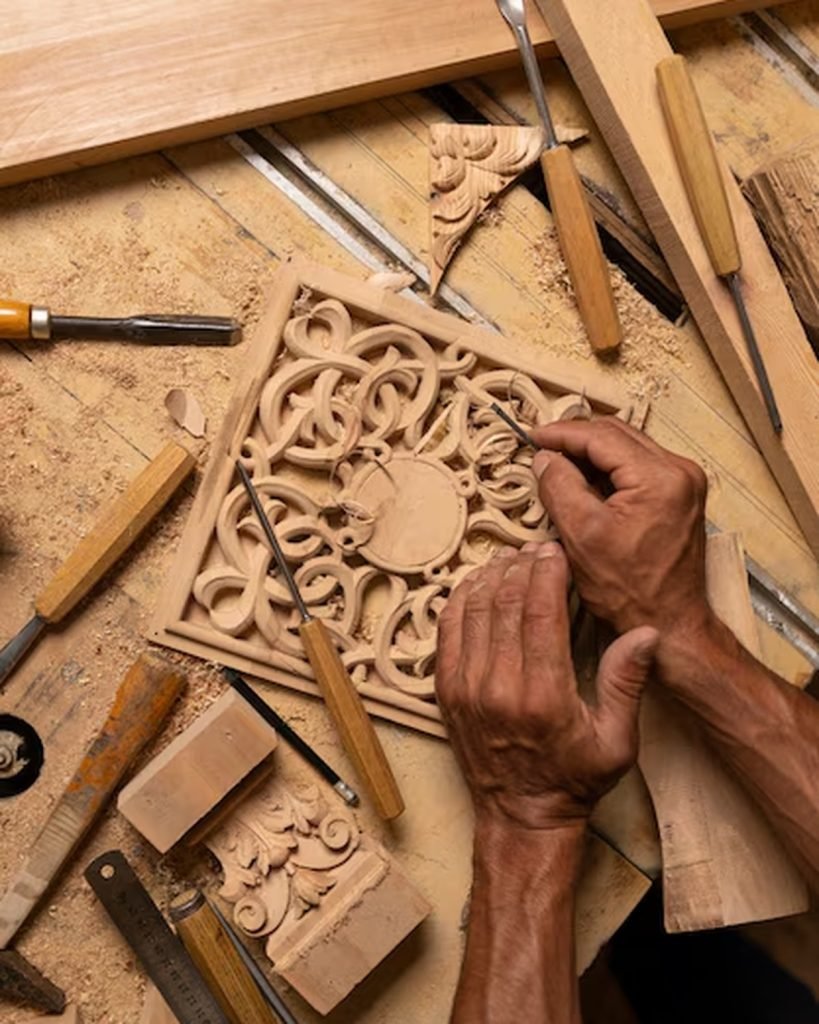
The door itself is often the centerpiece of a Moroccan entrance. Traditional Moroccan wooden doors are handcrafted by skilled artisans using techniques passed down through generations.
Commonly used woods can include cedar and other carefully selected hardwoods. Artisans may carve geometric patterns, floral motifs, stars, arches, and traditional Moroccan designs directly into the wood.
A handcrafted wooden door can therefore become a work of art rather than simply an architectural necessity. Choosing the right moroccan tiles architecture house door style ensures the finished entrance feels handcrafted, durable, and timeless.
Moroccan House Doors Inspired by Riads and Palaces
Some of the most inspiring Moroccan entrances can be found in traditional riads, historic palaces, and luxury residences.
Traditional riads often feature impressive entrances combining carved wood, colorful zellige, plasterwork, and geometric architectural details.
This style can also be adapted to modern homes. A contemporary villa can use a minimalist Moroccan wooden door surrounded by carefully selected zellige tiles, creating a sophisticated balance between traditional craftsmanship and modern architecture.
How to Combine Moroccan Tiles With a Wooden Door
The success of a Moroccan-inspired entrance depends on the relationship between the door and its surroundings.
One popular approach is to use zellige tiles as a decorative border around the entrance. The tiles can introduce color and geometric patterns while the wooden door provides warmth and depth.
Another option is to create a more luxurious composition using neutral-colored zellige combined with a dark carved wooden door. This approach works particularly well for modern villas, boutique hotels, and luxury residences.
For a stronger traditional aesthetic, colorful Moroccan tiles can be combined with an intricately carved cedar door.
Geometric Patterns in Moroccan Architecture
Geometry is fundamental to Moroccan decorative arts. Stars, polygons, interlacing patterns, and symmetrical compositions appear throughout Moroccan architecture.
These patterns can be incorporated into the design of a house door through wood carving, metalwork, or surrounding tilework.
A carefully designed entrance can therefore create visual continuity between the door, façade, courtyard, and interior architecture.
Why Choose a Handmade Moroccan Door?
A handmade Moroccan door offers something that a mass-produced door cannot easily reproduce: individuality.
Each handcrafted piece can contain subtle variations resulting from the artisan’s work. The carving, finishing, texture, and natural characteristics of the wood contribute to the uniqueness of the final product.
For homeowners looking to create a distinctive architectural identity, a handcrafted Moroccan door can become one of the most memorable features of the property.
Moroccan Doors for Modern Luxury Homes
Moroccan architectural elements are no longer limited to traditional homes and riads. Designers and architects increasingly incorporate Moroccan craftsmanship into contemporary luxury properties.
A modern moroccan tiles architecture house door can combine traditional craftsmanship with clean architectural lines, neutral colors, large façades, and contemporary landscaping.
This creates an aesthetic that feels both timeless and sophisticated.
The key is finding the right balance. Instead of covering every surface with decorative elements, a carefully selected Moroccan door can become the focal point of a minimalist entrance.
Creating an Authentic Moroccan Entrance
For an authentic Moroccan-inspired entrance, consider combining several elements:
- A handcrafted Moroccan wooden door
- Traditional zellige tiles
- Geometric patterns
- Natural wood textures
- Moroccan arches
- Handcrafted metal hardware
- Traditional plaster or tadelakt finishes
- Warm architectural lighting
The result is an entrance that reflects Moroccan craftsmanship while fitting naturally into the overall architecture of the house. With the right pairing of materials and craftsmanship, a moroccan tiles architecture house door instantly elevates the whole facade.
ALQASR: Authentic Moroccan Doors Handcrafted for Luxury Architecture
At ALQASR Morocco, traditional Moroccan craftsmanship is reimagined for contemporary luxury interiors and architectural projects. Every moroccan tiles architecture house door we craft is built to order, combining time-honored techniques with lasting quality.
Our handcrafted Moroccan doors are designed to bring the character of Moroccan architecture into private residences, luxury villas, hotels, riads, and prestigious architectural projects.
Each door can become a distinctive architectural element, combining traditional Moroccan craftsmanship with elegant design and carefully selected materials.
Whether paired with zellige tiles, a Moroccan arch, or a contemporary façade, a handcrafted Moroccan door can transform an entrance into a memorable expression of Moroccan heritage.
Conclusion
A moroccan tiles architecture house door brings together some of the most recognizable elements of Moroccan design: handcrafted wood, geometric patterns, zellige tiles, architectural arches, and centuries-old artisan traditions.
Whether you are designing a traditional riad or a contemporary luxury villa, incorporating a Moroccan handcrafted door into the entrance can create a powerful connection between architecture, craftsmanship, and cultural heritage.
The beauty of Moroccan design lies in its ability to remain authentic while adapting to modern architecture. A carefully crafted Moroccan door, surrounded by beautiful tiles and architectural details, can transform an ordinary entrance into an extraordinary one.